TOP-TIER TRAVEL中/EN

Japan · Chugoku & Shikoku

14 hidden gems in Chugoku & Shikoku

Inland Sea & San'in. We picked 14 places in this region — some well known, some few visitors find. Browse at your own pace, then take the quiz when something catches your eye.

TOP-TIER TRAVEL › All hidden gems › Japan › Chugoku & Shikoku

Not sure which to pick? Take the 4-minute travel-personality quiz and find the one that suits you.

Take the quiz
Miyajima's great torii
First time? Start with the classics

You can't go wrong doing a first lap of Hiroshima, Miyajima, Okayama's Korakuen and Takamatsu. Chugoku and Shikoku are linked by the Seto Ohashi Bridge or by boat, and getting between cities often means changing trains, so save just a day or two for the place below that's truly yours.

Looking for a place to stay in this area? Start here:

Spot details checked: October 2026

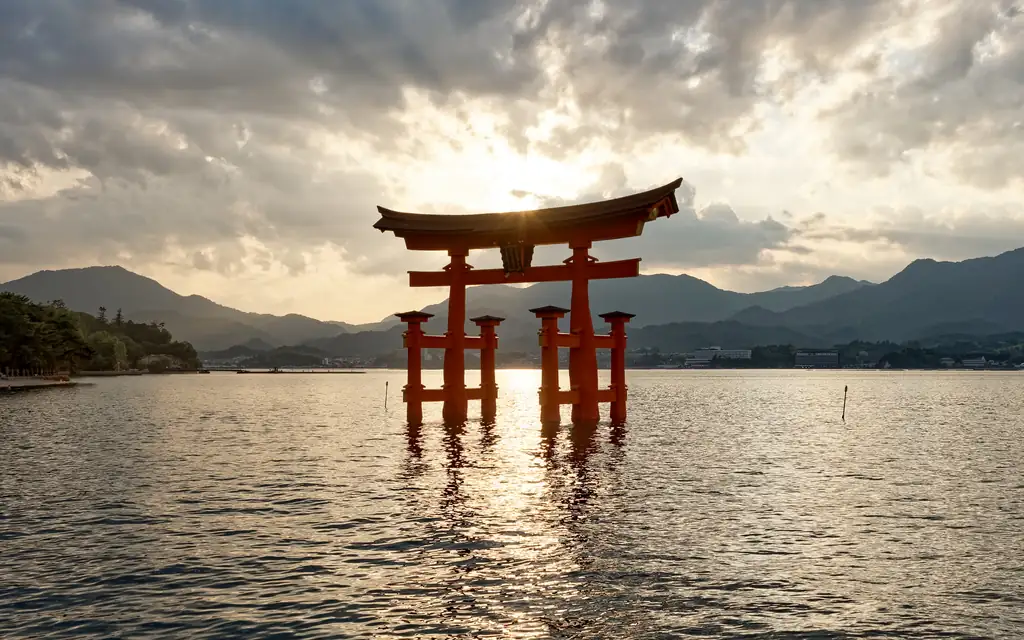
Itsukushima's great torii standing in the sea at duskHatsukaichi, Hiroshima

Itsukushima's great torii standing in the sea at dusk

Itsukushima Shrine, Miyajima

The tide comes in, and the whole shrine floats on the sea.

Getting there●○○○○Very easy on your own: about 30 minutes by JR from Hiroshima, then a 10-minute ferry.

Best timeGood all year

When you're in Hiroshima, save half a day for Miyajima.

The tide creeps in until seawater pools beneath the vermilion corridors and the whole shrine seems to float, the great torii standing quietly offshore as small waves lap at its legs. Miyajima's official name is Itsukushima, and its Itsukushima Shrine is built over the bay; together with the great vermilion torii in the sea, it became a World Heritage Site in 1996. The torii changes with the tides: at high tide it stands in the water, and at low tide you can walk right up to its base and look up at how huge it is. Wild deer amble along the paths everywhere, and on the Omotesando shopping street the smell of grilled oysters drifts past with fresh maple-leaf cakes. If you have the energy, take the ropeway up Mount Misen to see the islands of the Seto Inland Sea floating one after another. See the same torii once at high tide and again at low tide, and only then have you truly been to Miyajima.
GETTING THEREFrom Hiroshima Station, take the JR Sanyo Line to Miyajimaguchi (about 30 minutes), then a 10-minute ferry. High-speed boats also run directly from central Hiroshima.
GOOD TO KNOWAt high tide the torii floats on the sea; at low tide you can walk right up to it — you can see both in one day if you check the tide times. A Miyajima visitor tax applies, usually collected with your ferry ticket.
SAFETYThe deer are wild — don't feed them, and keep a grip on paper bags and maps. The beach is slippery at low tide; watch the tide times if you walk out to the torii.
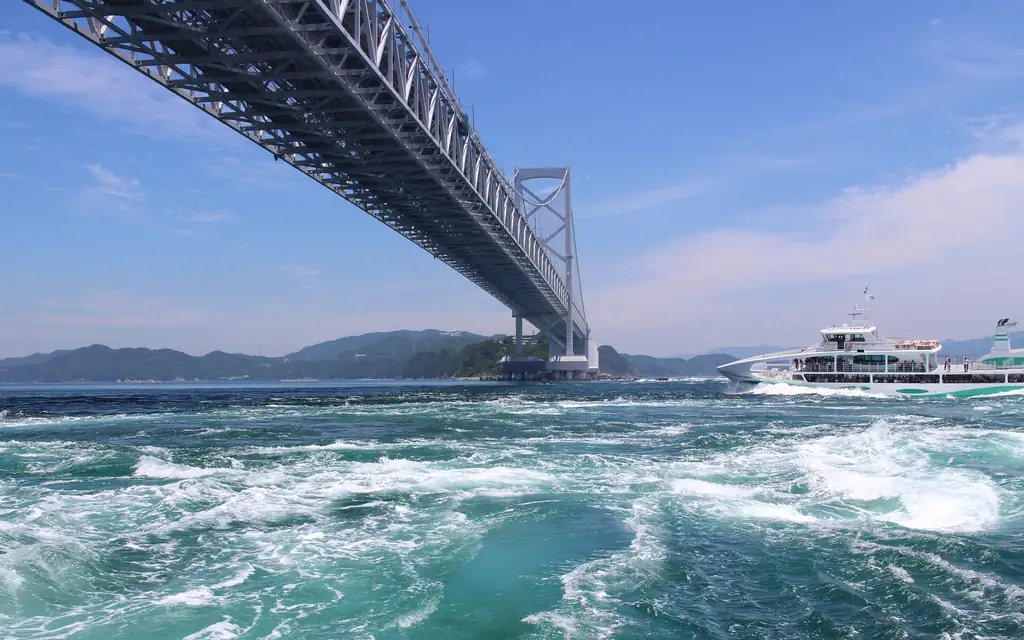
Whirlpools and a sightseeing boat beneath the Onaruto BridgeNaruto, Tokushima

Whirlpools and a sightseeing boat beneath the Onaruto Bridge

Naruto Whirlpools

The whole sea spins into whirlpools beneath your feet.

Getting there●●○○○Easy on your own: about an hour by bus from Tokushima Station; highway buses also run from Kansai.

Best timeGood all year

To see whirlpools spinning on the sea, add a stop at Naruto.

The boat pulls in under the great bridge, the engine drowned out by the roar of the sea, and suddenly the water starts to spin: whirlpools curling up beside the hull, spray flying over the rail. The Naruto Strait lies between the Seto Inland Sea and the Kii Channel. When the tide rises and falls, the water levels on each side differ greatly, and the sea rushes through the narrow strait, spinning up whirlpools known as the Naruto Uzushio, a rare sight anywhere in the world. You can take a sightseeing boat under the Onaruto Bridge for a close look, or walk the Uzu-no-Michi walkway beneath the bridge and look down through glass floors as the sea churns beneath your feet; even the bravest will grab the railing. The power of the ocean turning right in front of you is something you never forget.

GETTING THEREAbout 1 hour by bus from Tokushima Station to Naruto Park. Highway buses from Kansai also go straight to the Naruto area.
GOOD TO KNOWThe whirlpools are most dramatic on spring-tide days, and the best viewing time changes daily — check the tide table first. Boats may not sail in rough seas, so confirm before you go.
SAFETYThe boats rock a lot — prepare if you get seasick. Hold the handrails on deck and keep children close.
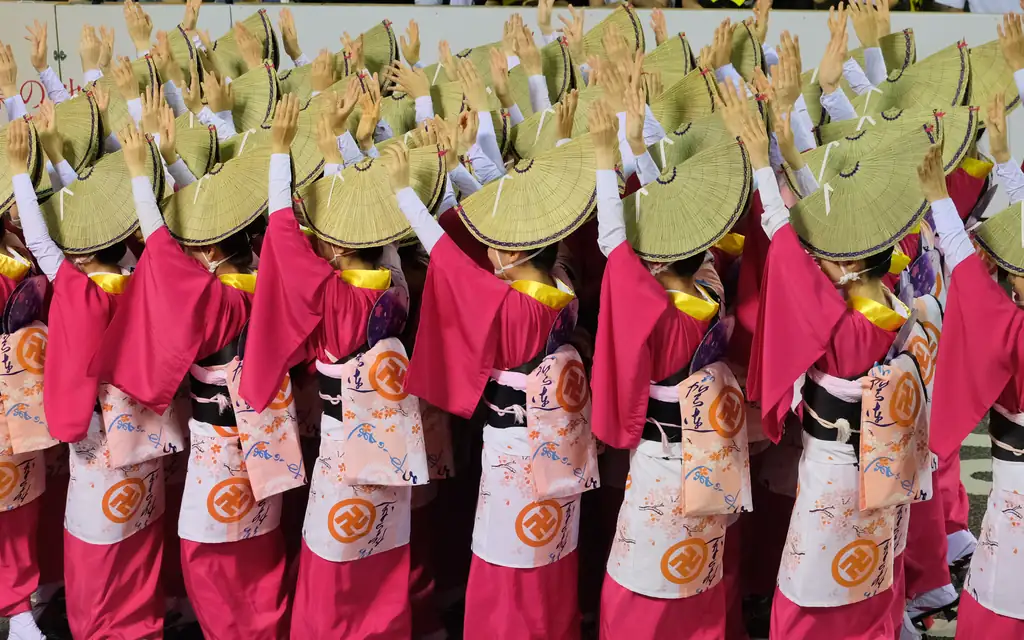
Women dancers in straw hats raising their hands in the Awa OdoriTokushima, Tokushima

Women dancers in straw hats raising their hands in the Awa Odori

Awa Odori, Tokushima

Fools who dance, fools who watch. Why not dance?

Getting there●●○○○Easy on your own: about 2.5 hours by highway bus from Kansai Airport or Osaka; the festival is around Tokushima Station.

Best timeAug

If you're in Shikoku in mid-August, spend a night at Tokushima's Awa Odori.

Music and chanting surge from the street corner, and a whole troupe clatters past you in wooden sandals. Awa Odori is Tokushima's roughly 400-year-old Bon dance. For four days in mid-August, dance troupes called “ren” from all over take turns performing in the streets and on stages around the city. Women dancers wear half-moon straw hats and move lightly with their arms held high; men dance low and bold. Its most famous line goes: the dancers are fools and the watchers are fools, so if you're a fool either way, you might as well dance. Some groups in the streets welcome visitors to join in; raise your hands to the beat and you're part of the summer night. It's only these four days a year, and if you miss it, all you can do is imagine it from a video.

GETTING THEREAbout 2.5 hours by highway bus from Kansai Airport or Osaka to Tokushima Station. The venues are in the city center around the station, within walking distance.
GOOD TO KNOWIt's only a few nights in mid-August — in 2026, August 11–15, with the eve event on the 11th and the main dancing from the 12th — when the whole city moves to the drums. Arena seats need tickets; street performances are free. Rooms are scarce, so book very early. Check the official site.
SAFETYSummer nights are packed and humid — drink plenty of water, and agree on a meeting point in case you get separated.
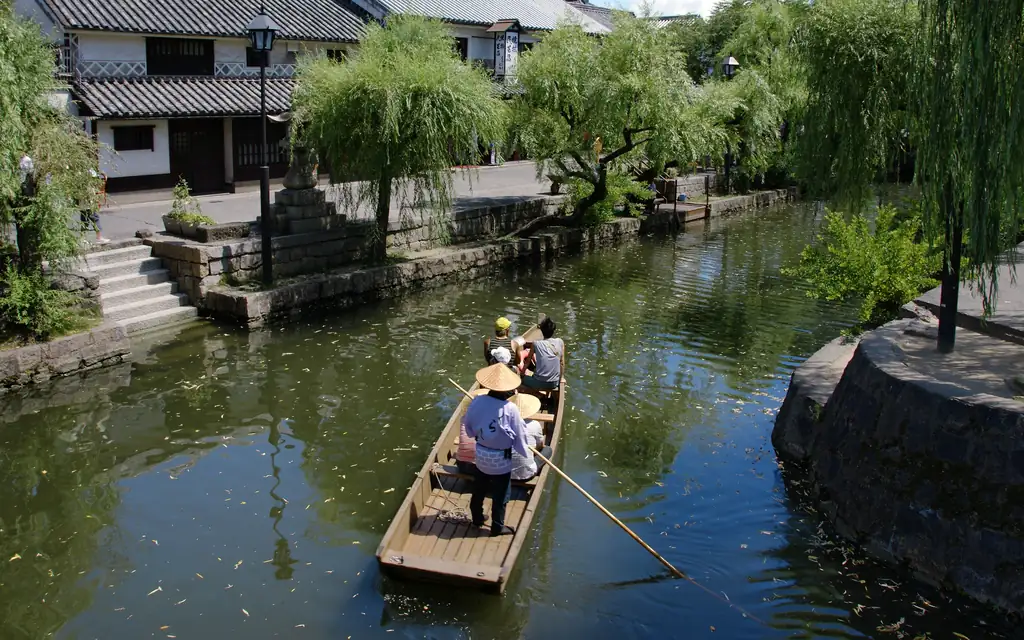
A punt on the Kurashiki River, past willows and white-walled storehousesKurashiki, Okayama

A punt on the Kurashiki River, past willows and white-walled storehouses

Kurashiki Bikan Historical Quarter

White walls mirrored in the canal as a boatman poles slowly by.

Getting there●○○○○Very easy on your own: about 15 minutes by JR from Okayama, then a 10-minute walk.

Best timeGood all year

When you're in Okayama, spend half a day wandering Kurashiki.

A little boat glides along the Kurashiki River, a row of black-tiled, white-walled warehouses mirrored on the water, their diamond-patterned namako walls reflected square by square, as a boatman in a straw hat poles and the boat sways gently. In the Edo period, Kurashiki was a shogunate-controlled trading hub. These warehouses survive today, and the whole area is a national preservation district for traditional buildings. Many old warehouses are now museums, cafés and craft shops, so you can stroll the riverbank and browse one after another. On the Kawabune Nagashi boats you're poled along a short stretch of canal, and the town looks different again from the water. Kurashiki is also one of the birthplaces of Japanese-made jeans. White walls, black tiles, a slowly passing boat: Kurashiki is a town that won't let you hurry.

GETTING THEREFrom Okayama Station, take the JR Sanyo Line to Kurashiki Station (about 15 minutes), then walk about 10 minutes to the Bikan district.
GOOD TO KNOWAfter the old quarter lights up in the evening, crowds thin and it's perfect for a stroll. Boat rides pause on the second Monday each month, run only on weekends and holidays in January–February, and end earlier in summer; online booking opens from October. Check the official schedule.
SAFETYThe canal edge has no high railings — watch your step at night, and hold the side of the boat when getting on and off.
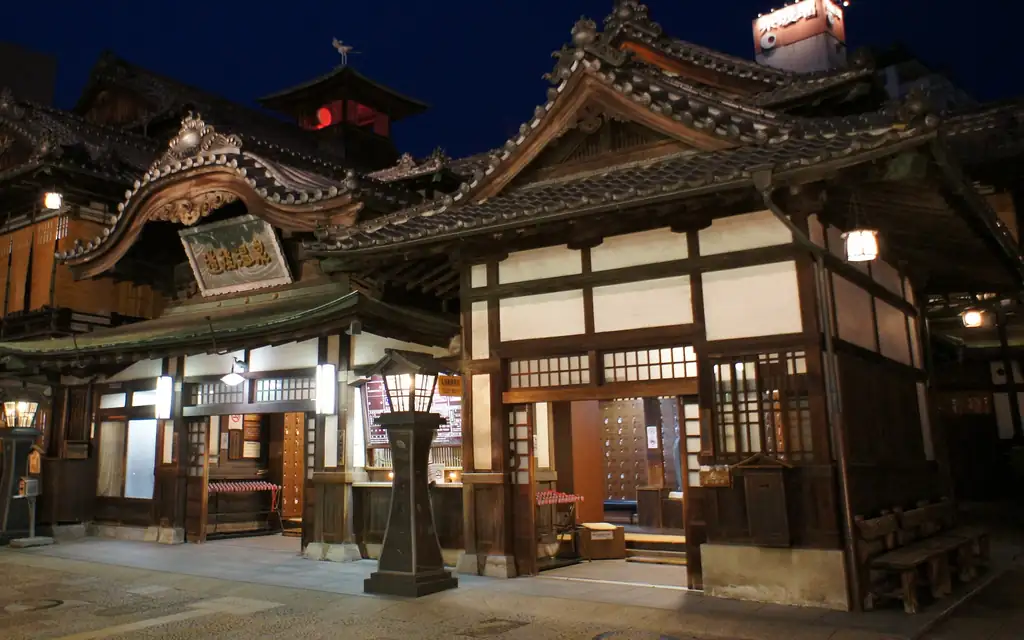
Dogo Onsen Honkan lit up at nightMatsuyama, Ehime

Dogo Onsen Honkan lit up at night

Dogo Onsen Honkan, Matsuyama

The drum sounds, and a century-old wooden bathhouse opens its doors.

Getting there●○○○○Very easy on your own: about 25 minutes by tram from Matsuyama Station; buses also run from the airport.

Best timeGood all year

If you're in Shikoku, stay a night in Dogo for the hot springs.

Boom, boom, boom: the taiko in the Shinrokaku tower on the roof echoes down the hot-spring street, and people in yukata clatter slowly in wooden sandals toward the three-story wooden bathhouse. Dogo Onsen is thought to be one of Japan's oldest hot springs; it's even mentioned in the ancient chronicle Nihon Shoki. At the center of town stands Dogo Onsen Honkan, a public bathhouse built in 1894 and an Important Cultural Property, where the drum on the roof sounds the hour every day. After more than five years of preservation work, the whole building fully reopened in 2024. Nearby are the newer Asuka-no-Yu bathhouse, a shopping arcade and the Botchan steam train. Sink into the hot water of this century-old bathhouse, listen to the drum, and you become one more traveler in this spring's long history.

GETTING THEREAbout 40 minutes by bus from Matsuyama Airport to Dogo Onsen, or about 25 minutes by tram from JR Matsuyama Station.
GOOD TO KNOWMornings are quietest for a leisurely soak; evenings and weekends get busy. The main building is a public bathhouse with several bathing plans. Rinse off before entering and keep towels out of the water. Check plans and hours on the official site.
SAFETYDrink water before and after bathing, and don't bathe after drinking alcohol. Bathroom floors are slippery — walk slowly.
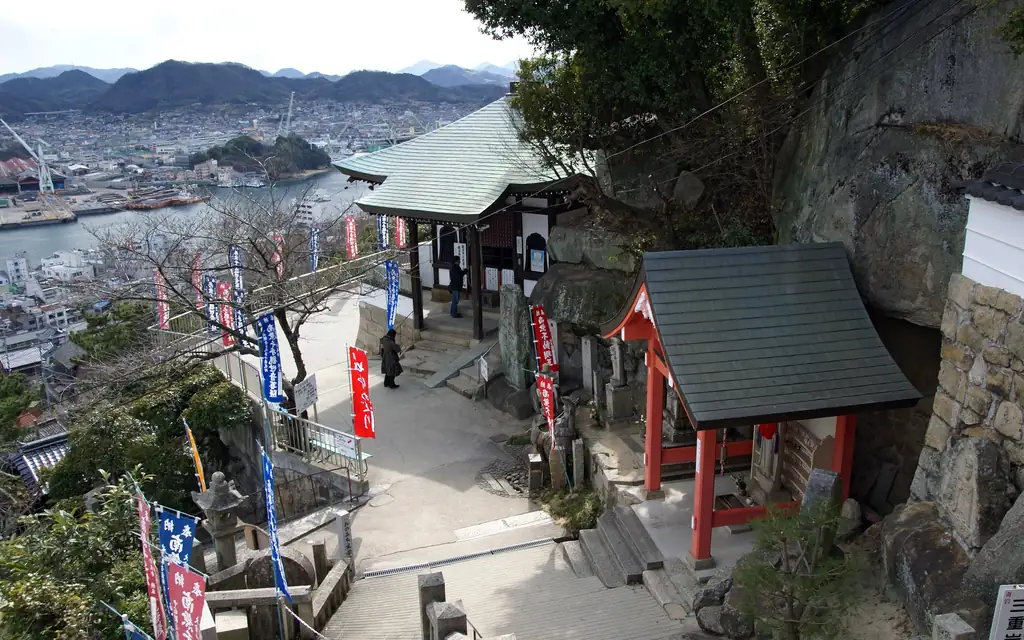
Onomichi's rooftops and the sea from the Senkoji temple pathOnomichi, Hiroshima

Onomichi's rooftops and the sea from the Senkoji temple path

Senkoji Temple, Onomichi

Slopes, stone steps, cats, and the whole Inland Sea.

Getting there●●○○○Easy on your own: 1–1.5 hours by JR from Hiroshima or Okayama, then a 15-minute walk to the ropeway.

Best timeMar–May, Oct–Nov

To spend a day wandering a hillside town, come to Onomichi.

Step off the ropeway and follow the stone steps down through winding lanes, rooftops stacked one above another; turn a corner and a cat is sunning itself on a stone wall, while a ship's horn sounds from the harbor below. Onomichi is a port town on the Seto Inland Sea, its houses built in layers up the hillside, and it's known as the “town of slopes.” Senkoji Temple sits on the hillside among giant rocks, with views over the whole harbor and Mukaishima across the water. Take the ropeway up and walk down the Path of Literature, through little lanes where cats hang out. Onomichi is also the starting point of the Shimanami Kaido cycling route across the Inland Sea islands to Shikoku: get on a bike and hop island to island all the way there. Getting lost among the slopes is the best way to see Onomichi.

GETTING THEREAbout 1 to 1.5 hours from Hiroshima or Okayama Station on the JR Sanyo Line to Onomichi Station; buses also run from Shin-Onomichi Station into town. The Senkoji ropeway station is about 15 minutes' walk east of Onomichi Station.
GOOD TO KNOWIn cherry blossom season the view down from Senkoji is at its best, and evening sea views are lovely too. Expect lots of slopes and steps — wear good shoes and travel light. To ride the Shimanami Kaido, rent a bike near the port.
SAFETYThe stone steps are steep and narrow, and slippery after rain. Locals live along these lanes — don't disturb anyone while taking photos.
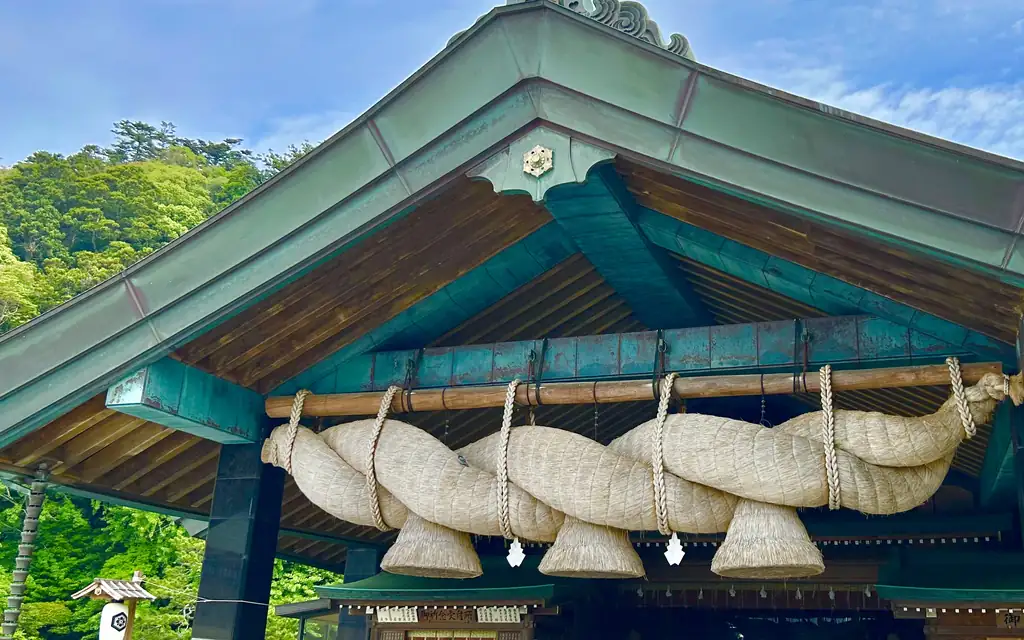
The giant shimenawa rope on the Kagura-denIzumo, Shimane

The giant shimenawa rope on the Kagura-den

Izumo Taisha

Every year, all of Japan's gods meet here.

Getting there●●○○○Easy on your own: about 25 minutes by train or bus from Izumoshi Station; buses also run from Izumo Airport.

Best timeOct–Nov

If you're in the San'in region, come to pray at Izumo Taisha at least once.

Stand before the Kaguraden and a massive shimenawa rope hangs overhead, so heavy-looking you can't help tilting your head back, while worshippers wait quietly and claps ring out one after another. Izumo Taisha is one of Japan's oldest shrines. Its deity, Okuninushi, is seen as a god of “en,” connections, not only between couples but all kinds of bonds between people. The way to pray here is different from most shrines: two bows, four claps, one bow. The photo shows the Kaguraden hall, which has one of the largest shimenawa ropes in Japan hanging at its front. Legend says the gods of the whole country gather in Izumo each year in the tenth lunar month for a meeting, so that month is called Kamiarizuki, “the month with gods,” here. Clap four times and entrust the connections you treasure to the gods.

GETTING THEREAbout 25 minutes from Izumoshi Station by Ichibata train or bus, or about 1 hour by Ichibata train from Matsue. Buses also run directly from Izumo Airport.
GOOD TO KNOWIn the old-calendar tenth month, 'Kamiarizuki', the gods of Japan are said to gather here — the most special time to come, and the busiest. Remember it's four claps here. Try Izumo soba along Shinmon-dori.
SAFETYThe grounds are large with lots of gravel paths — wear comfortable shoes.
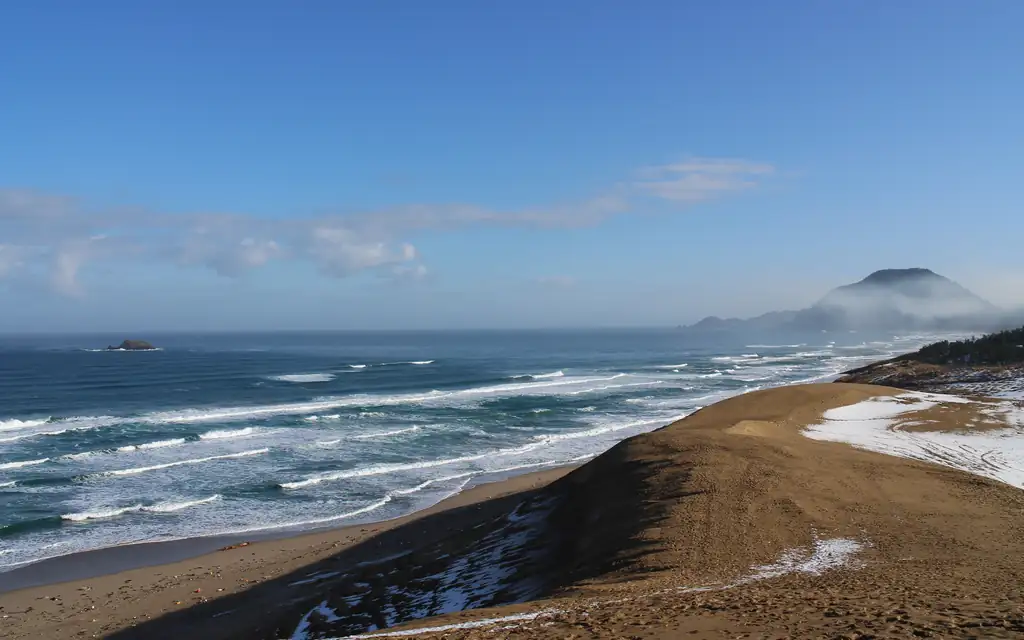
Tottori's dunes above the Sea of Japan surf, with a little snow on the sandTottori, Tottori

Tottori's dunes above the Sea of Japan surf, with a little snow on the sand

Tottori Sand Dunes

Climb the dune, and suddenly the whole Sea of Japan opens up.

Getting there●●○○○Easy on your own: about 2.5 hours by limited express from Osaka to Tottori, then about 20 minutes by bus.

Best timeGood all year

For a huge expanse of dunes on the Sea of Japan coast, add a stop in Tottori.

Your feet sink into the sand with every step and the wind hisses fine grains across the surface, until you reach the top of Umanose, the highest dune, and the whole Sea of Japan suddenly opens up below. The Tottori Sand Dunes are coastal dunes built up over ages along the Sea of Japan, stretching about 16 km east to west, and are a national natural monument. The wind leaves wave-like ripples called fumon in the sand, most often seen early in the morning, fine lines as if someone had combed the dunes. Occasionally in winter the dunes are dusted with snow, a rare sight. The nearby Sand Museum displays huge sculptures carved from sand. A desert-like landscape, right here in Japan: stand on the crest in the sea breeze and you'll want to stay a while longer.

GETTING THEREAbout 20 minutes by bus from Tottori Station. Tottori Station is about 2.5 hours from Osaka by the Super Hakuto limited express, or about 2 hours from Okayama by the Super Inaba.
GOOD TO KNOWSunset turns the dunes gold and makes the wind ripples stand out best. There's no shade — it's very hot in summer and windy in winter, so dress for the season. Walking on sand is tiring; wear shoes you don't mind filling with sand.
SAFETYDon't draw on the dunes or take sand away. Stay hydrated in summer, and don't run down the steep slopes toward the sea.
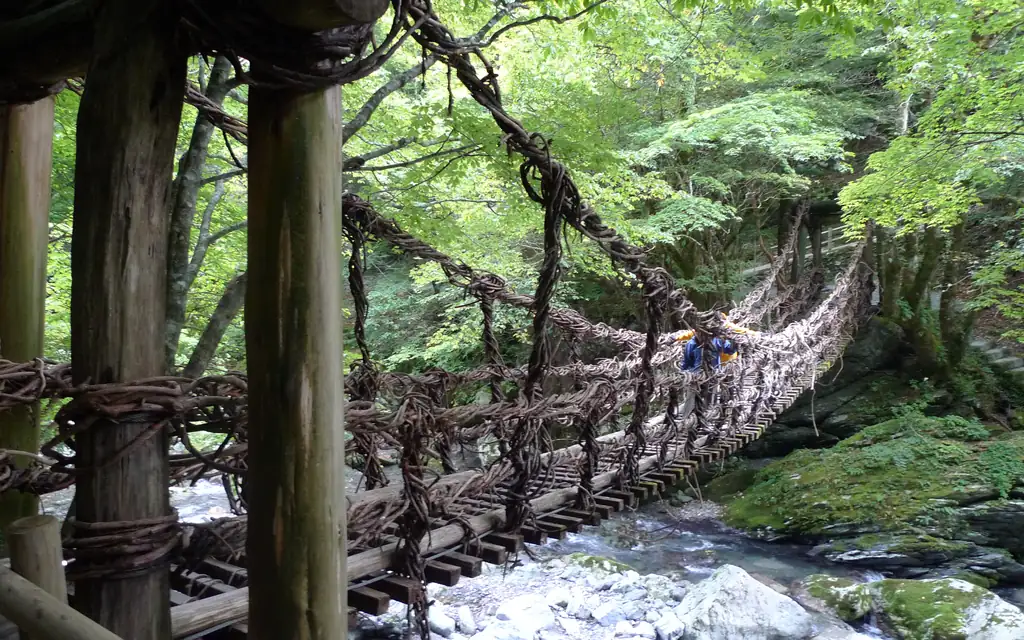
A vine bridge over the Oku-Iya gorgeMiyoshi, Tokushima

A vine bridge over the Oku-Iya gorge

Oku-Iya Double Vine Bridges

Step onto a bridge woven from vines, a deep gorge below.

Getting there●●●●○Harder: two bus legs taking several hours, with very few departures; mountain roads are narrow if you drive. Stay at least a night.

Best timeApr–Nov

To walk a bridge woven from vines, head deep into the Iya Valley.

Step onto a bridge woven from vines and it sways gently; between the wooden slats you can see the river far below, its rush rising from the gorge, and your hands grip the vine rails on their own. Iya is a gorge deep in the Shikoku mountains, said to have been a hiding place for warriors of the defeated Heike clan. Its kazurabashi are suspension bridges woven from wild vines, and legend says they were made so they could be cut quickly if pursuers came. The better-known Iya Kazurabashi gets more visitors; deeper in the mountains, the Oku-Iya Double Vine Bridges are a pair called the “husband” and “wife” bridges, with fewer people and a wilder feel, and that's the photo. Nearby are Oboke Gorge boat rides and valley-bottom hot springs. Cross the bridge, and you'll understand why those warriors chose to hide here.

GETTING THEREFrom JR Oboke or Awa-Ikeda Station, take a bus into the mountains; reaching Oku-Iya means changing buses again. The one-way trip takes several hours and buses are very infrequent. Many people rent a car, but the mountain roads are narrow and winding. Staying at least one night is recommended.
GOOD TO KNOWThe Oku-Iya double vine bridges are only open from about April to November, and autumn colours are the highlight; they close in winter, when buses also stop. Access is tricky and few people speak English or Chinese, so first-timers may prefer a local day tour; if going solo, check bus times, download a translation app and keep some slack. Check the official site.
SAFETYThere are gaps between the bridge slats — hold the vines on both sides as you cross, and don't crowd onto the bridge. If you're afraid of heights, don't push yourself.
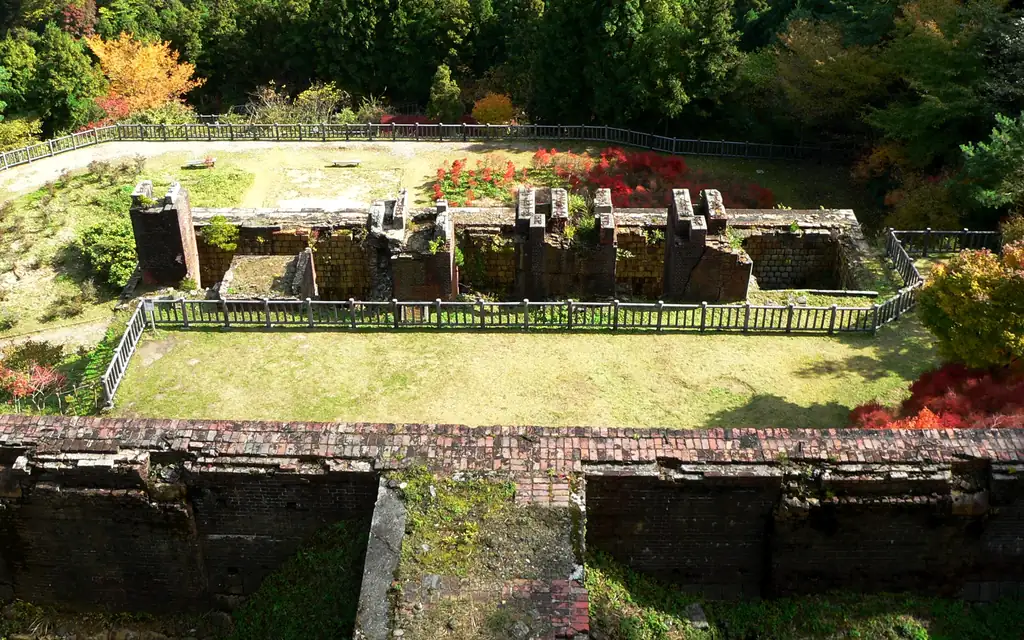
Old copper-mine ruins at Toyo among autumn leavesNiihama, Ehime

Old copper-mine ruins at Toyo among autumn leaves

Besshi Copper Mine, Tonaru

Deep in the forest, a Machu Picchu of the East.

Getting there●●●●○Harder: no direct public transport; 30–40 minutes' drive on narrow mountain roads, or join a sightseeing bus tour.

Best timeApr–Nov

To see the mountain ruins called the “Machu Picchu of the East,” come to Niihama.

Round a bend in the mountain road and stone ruins emerge from the trees, stepped up the slope in layers, mossy walls wrapped in green, so quiet that all you hear is birdsong and wind in the treetops. The Besshi copper mine operated from 1691 to 1973 and helped power Japan's modernization. Tonaru, about 750 m up the mountainside, was once the center of the mine, with a school, a hospital and worker housing; at its peak several thousand people lived here. What remains are stone ore-storage structures surrounded by forest, and because the scene resembles Peru's ancient city, it's called the “Machu Picchu of the East.” It's most beautiful in autumn. Stand where thousands once lived, with only stone and wind left, and that silence stays on your mind for a long time.

GETTING THEREAbout 30–40 minutes by car from JR Niihama Station on narrow, winding mountain roads. Without a car, join the sightseeing bus tour from the tourist facility at the foot of the mountain. Niihama Station is just over an hour by JR limited express from Matsuyama or Takamatsu.
GOOD TO KNOWIn summer, greenery wraps the ruins and it really looks like the 'Machu Picchu of Japan'; autumn colour is lovely too. It closes for winter from about December to the end of February and has regular closed days — check the official site.
SAFETYThe ruins are fenced — please don't climb over. The mountain road is narrow and hard to pass on; drive with extra care.
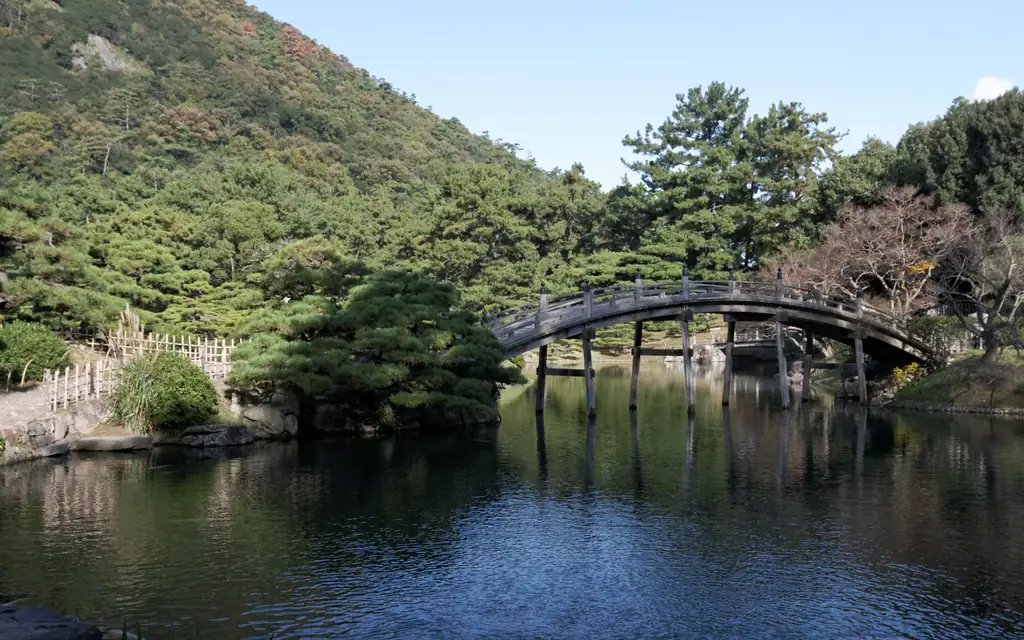
Engetsu Bridge over a pond in Ritsurin GardenTakamatsu, Kagawa

Engetsu Bridge over a pond in Ritsurin Garden

Ritsurin Garden, Takamatsu

A cup of matcha, a pond's reflection, Mount Shiun behind.

Getting there●○○○○Very easy on your own: JR or Kotoden from Takamatsu, then a few minutes' walk.

Best timeGood all year

When you're in Takamatsu, spend half a day slowly exploring Ritsurin Garden.

Sit on the tatami of the teahouse with a bowl of matcha in your hands, the pond before you mirroring pines and an arched bridge, Mount Shiun standing quietly behind. Ritsurin Garden was the daimyo garden of the lords of Takamatsu in the Edo period. Set against Mount Shiun, it has six ponds and thirteen artificial hills and is designated a Special Place of Scenic Beauty, one of the largest such gardens in Japan. More than a thousand pines are carefully pruned; the arched bridge in the photo is Engetsu-kyo. Have matcha at the Kikugetsu-tei teahouse while looking out over the pond, or take a traditional boat around the garden and watch the pines glide by from the water. Afterwards, Kagawa is the home of Sanuki udon, so have a bowl; and from Takamatsu Port you can take a ferry to art islands like Naoshima. Sit a while in Kikugetsu-tei, and you'll see why the lords kept this place for themselves.

GETTING THEREFrom Takamatsu Station, take JR to Ritsurin Koen Kitaguchi or the Kotoden line to Ritsurin Koen; the garden is a few minutes' walk from either. Buses run from Takamatsu Airport to Takamatsu Station.
GOOD TO KNOWA boat ride on the ponds is loveliest in cherry blossom and autumn leaf season (reservation needed). The garden is large — allow 1 to 2 hours to walk it all. Check hours on the official site.
SAFETYThe pondside paths have no high railings — keep children close.
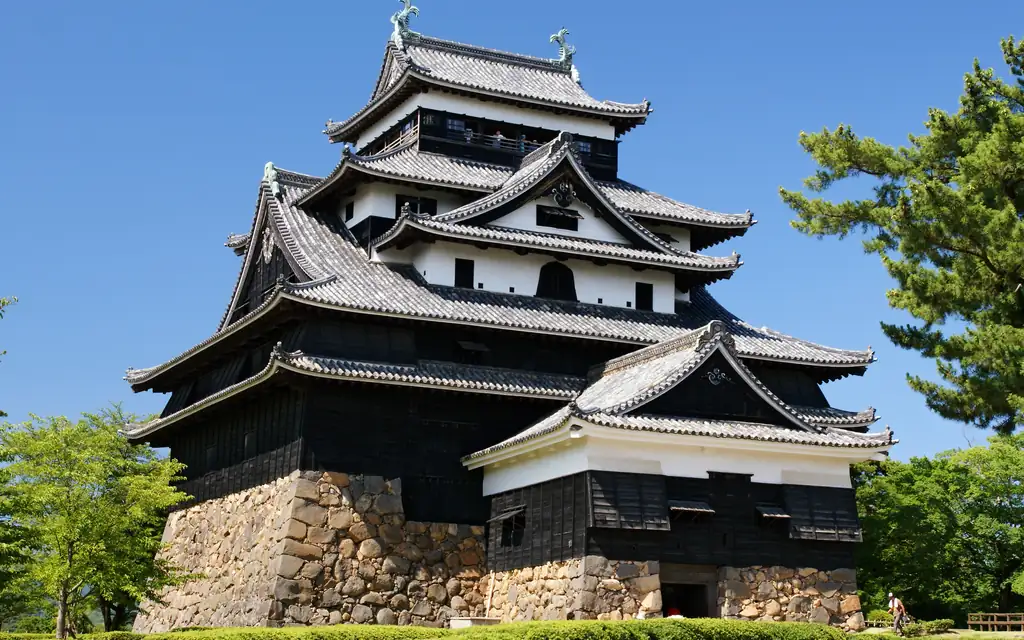
The black keep of Matsue CastleMatsue, Shimane

The black keep of Matsue Castle

Matsue Castle and Lake Shinji

The boat's roof lowers as you slip under the castle town's bridges.

Getting there●○○○○Very easy on your own: about 30 minutes by bus from Izumo Airport to Matsue Station; the castle and lake are in town.

Best timeGood all year

When you're in the San'in region, save one evening for sunset at Lake Shinji.

The little boat edges along the moat, and as a low bridge approaches the roof lowers with a clunk, everyone ducks down and slips underneath laughing, and when you look up again there's the black castle keep. Matsue Castle was built in 1611 and is one of Japan's five national-treasure castle keeps; its black walls look commanding, and the keep keeps its original wooden structure. A moat surrounds the castle, and you can ride the Horikawa sightseeing boat all the way around. Toward evening, go to the shore of Lake Shinji, where the little island of Yomegashima against the sunset is the most famous view in the San'in region; the share image is that sunset, the whole lake turned gold. Matsue is also a city where Lafcadio Hearn (Koizumi Yakumo) once lived. Circle the castle by boat by day, watch the lake sunset by evening: Matsue saves its best moments for those who take it slow.

GETTING THEREAbout 30 minutes by bus from Izumo Airport to Matsue Station, or about 2.5 hours from Okayama by the JR Yakumo limited express. The castle and the lake are both in town, reachable on foot or by loop bus.
GOOD TO KNOWLake Shinji's sunset is one of Japan's famous views — be at the shore half an hour before sundown, weather permitting. In winter the moat boats have heated tables. The castle stairs are steep, so wear good shoes.
SAFETYThe lakeside path gets busy at dusk, so watch your step. Hold the handrails on the keep's stairs.
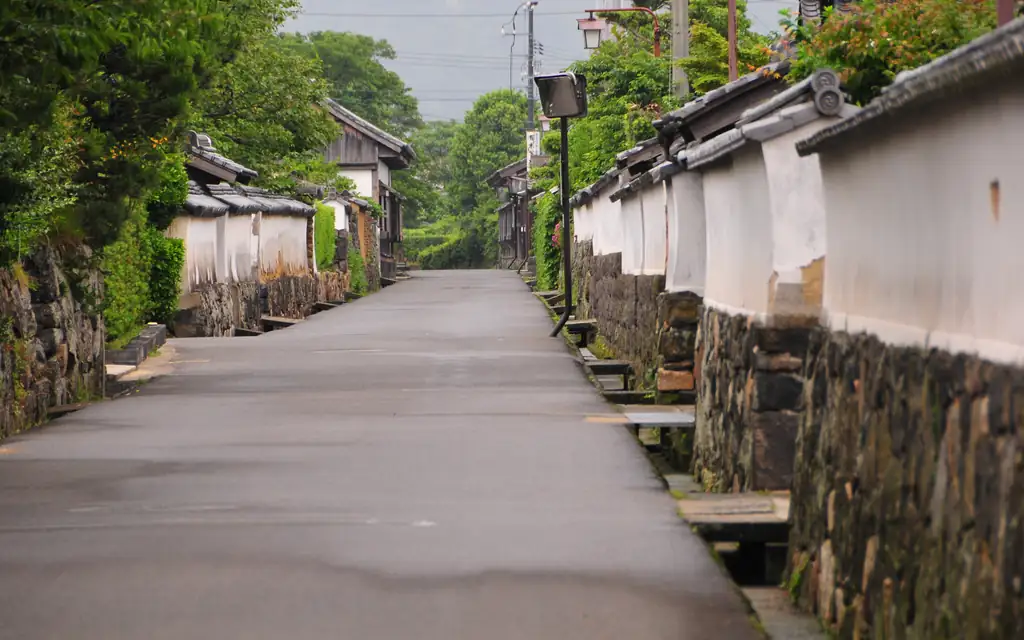
A lane between white walls and stone bases in Hagi's samurai districtHagi, Yamaguchi

A lane between white walls and stone bases in Hagi's samurai district

Hagi Samurai District

From behind these earthen walls came the people who changed Japan.

Getting there●●●○○Some planning: about an hour by highway bus from Shin-Yamaguchi, as JR trains are infrequent; get around town by bike or loop bus.

Best timeGood all year

To walk a samurai town with almost no tourists, come to Hagi.

Walk the lanes of Horiuchi between the earthen walls and stone walls of samurai residences, nagaya gates shut quietly one after another, your footsteps echoing off the stone as if someone might step out at any moment. Hagi was the castle town of the Choshu domain in the Edo period. Its Horiuchi district keeps its old look, and the whole area is a national preservation district for traditional buildings. In the late Edo period, many of the people who drove the Meiji Restoration came from here; related sites such as Shokasonjuku are part of the World Heritage “Sites of Japan's Meiji Industrial Revolution.” Standing before that tiny private school, it's hard to believe Japan's fate once turned a corner here. Hagi is also known for its understated Hagi-yaki pottery. Take one walk around this quiet castle town and you'll feel history right beside you.

GETTING THEREAbout 1 hour by highway bus from Shin-Yamaguchi Station. You can also use JR Higashi-Hagi Station, though trains are less frequent. In town, rent a bicycle or take the loop bus.
GOOD TO KNOWSpring to autumn, cycling around on a fine day is the nicest way in — summer oranges peek over the old walls. Sights are spread out, so rent a bike; transport is infrequent, so check return times.
SAFETYThe lanes are narrow; step aside when cars pass. The summer sun is strong — wear sunscreen and drink water.
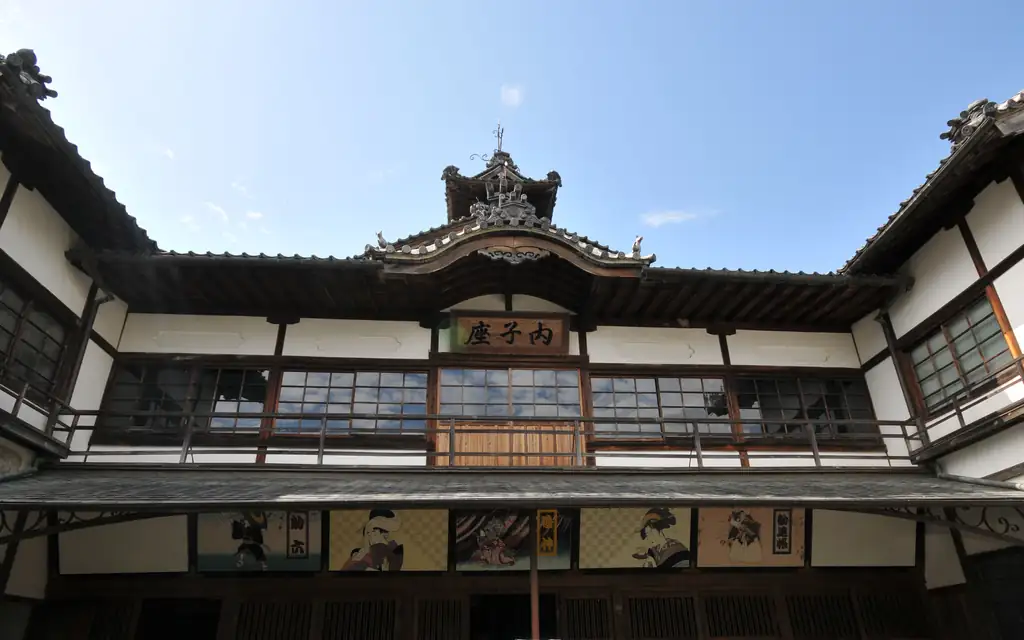
The wooden front of the Uchiko-za theatreUchiko, Ehime

The wooden front of the Uchiko-za theatre

Uchiko Old Town and Uchiko-za

An old street built on paper and wax, and a century-old theater.

Getting there●○○○○Very easy on your own: about 25 minutes by JR limited express from Matsuyama, then a 10–15-minute walk.

Best timeGood all year

To find a wax-trade old town with hardly anyone around, come to Uchiko.

The old street stretches on, its white and pale-yellow plaster walls soft in the sunlight, lattice windows one after another, and your steps slow down without your noticing. Uchiko prospered from the Edo to Meiji periods by producing washi paper and wood wax, and the old Yokaichi-Gokoku street keeps the residences of wealthy merchants of that era; the whole area is a national preservation district for traditional buildings. The photo shows Uchiko-za, a wooden theater built in 1916 with a revolving stage and a hanamichi walkway; restored in 1985 and back in use, it's an Important Cultural Property. Step inside and the smell of wood greets you; sit in the audience and you can almost hear the applause of a century ago. One old street, one theater: Uchiko has quietly kept the splendor of a hundred years ago all the way to today.

GETTING THEREAbout 25 minutes by JR limited express from Matsuyama to Uchiko Station, then a 10–15-minute walk to Uchiko-za; the old street is a little farther.
GOOD TO KNOWThe old street is quiet and pleasant, and some old houses are open to visitors. Uchiko-za has been closed for earthquake retrofitting since September 2024, expected for about four years, with only the exterior and some exhibits viewable — check the Uchiko tourism site first.
SAFETYCars drive along the old street, so watch for traffic while taking photos.

Not sure which to pick? Take the 4-minute travel-personality quiz and find the one that suits you.

Take the quiz