TOP-TIER TRAVEL中/EN

Japan · Kansai

11 hidden gems in Kansai

Old capitals & arcades. We picked 11 places in this region — some well known, some few visitors find. Browse at your own pace, then take the quiz when something catches your eye.

TOP-TIER TRAVEL › All hidden gems › Japan › Kansai

Not sure which to pick? Take the 4-minute travel-personality quiz and find the one that suits you.

Take the quiz
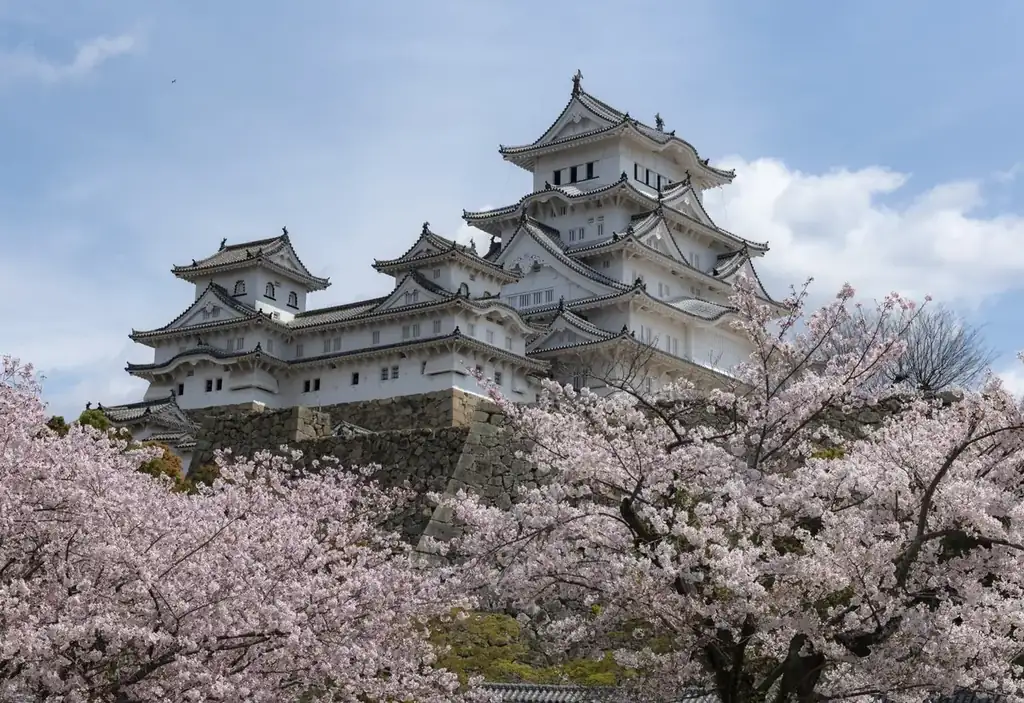
Himeji Castle
First time? Start with the classics

You can't go wrong doing a first lap of the classics — Himeji Castle, Kyoto, Osaka. The white Himeji Castle looks best in cherry blossom season. Then save one day for the place below that's truly yours.

Looking for a place to stay in this area? Start here:

Spot details checked: October 2026

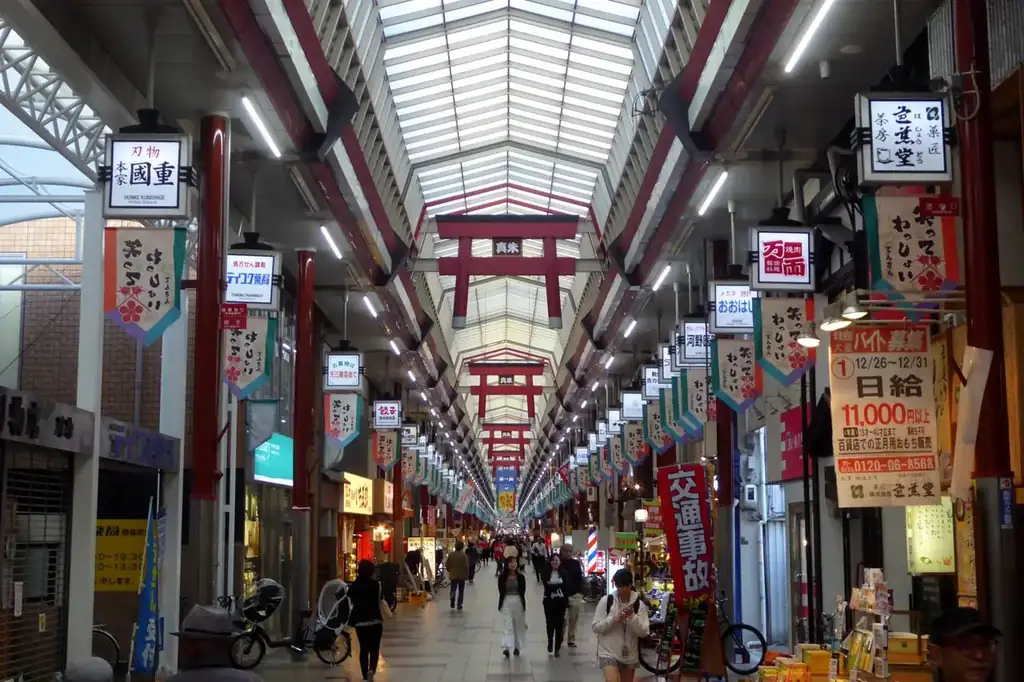
The long covered arcade of TenjinbashisujiKita-ku, Osaka

The long covered arcade of Tenjinbashisuji

Tenjinbashi-suji Arcade and Tenma

An arcade with no end, and an Osaka you can't stop eating.

Getting there●○○○○Very easy on your own: 5–10 minutes by subway or JR from Umeda.

Best timeGood all year

On the day you want more buzz, walk this arcade from end to end.

Red torii hang one after another from the arcade ceiling, and below them comes the smell of frying kushikatsu, the sizzle of takoyaki pans and shopkeepers calling out over each other. Tenjinbashi-suji runs about 2.6 km and is billed as Japan's longest shopping street, with around 800 shops; in the Edo period it was the temple town of Osaka Tenmangu shrine. It's best toward evening, when the standing izakaya around Tenma Station light up one by one and you can end the day with a drink shoulder to shoulder with office workers. To catch Osaka's sense of humor, step into Tenma Tenjin Hanjotei for Kamigata rakugo comic storytelling. The Tenjin Matsuri on July 24–25, one of Japan's three great festivals, is the liveliest time of year. Walk it end to end and you'll find Osaka's warmth is a street that never quite runs out.
GETTING THEREOsaka Metro Sakaisuji Line: Minami-morimachi, Ogimachi or Tenjinbashisuji Rokuchome stations, or JR Loop Line Tenma Station — about 5–10 minutes from Umeda.
GOOD TO KNOWWorth a wander any time of year, but it's at its liveliest during the Tenjin Matsuri on July 24–25, with the boat procession and fireworks. Those two days are packed, so watch your belongings. On an ordinary weekday evening, it's perfect for a kushikatsu crawl.
SAFETYThe arcade is crowded with bikes weaving through, so watch for them and mind your belongings.
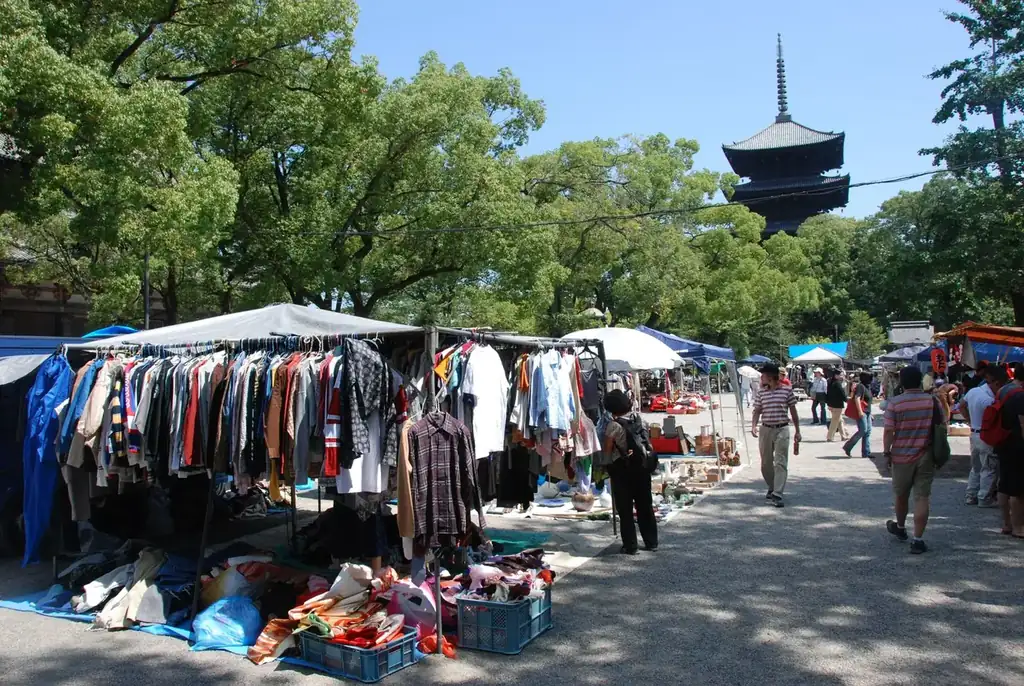
Second-hand clothes stalls at the Kobo-ichi market, with To-ji's pagoda behindMinami-ku, Kyoto

Second-hand clothes stalls at the Kobo-ichi market, with To-ji's pagoda behind

Toji Kobo-ichi Market

On the 21st, an ancient temple turns into a treasure hunt.

Getting there●○○○○Very easy on your own: about 15 minutes' walk from Kyoto Station.

Best timeGood all year

If you happen to be there on the 21st, this temple market is worth fitting in.

At first light, the crowds are already gathering beneath the roughly 55 m five-story pagoda. Toji is a temple surviving from the Heian capital, and its pagoda is a Kyoto landmark. On the 21st of every month — the anniversary of Kobo Daishi's death — over a thousand stalls fill the grounds with antiques, kimono, pottery, secondhand goods, plants and snacks, haggling voices mixing with the smell of grilled dango; the market has been going since the Edo period. Come early, when the stalls are freshly laid out and the best finds haven't gone. The first market in January and the last in December draw the biggest crowds, and in spring, with night illuminations, the pagoda framed by cherry blossoms is another sight entirely. Find an old treasure beneath a thousand-year-old pagoda, and that little thrill comes home with you.

GETTING THEREAbout 15 minutes' walk from JR Kyoto Station, or take the Kintetsu line to Toji Station and walk about 10 minutes (limited expresses don't stop at Toji). You can also take Kyoto city buses to “Toji Higashimon-mae” or “Toji Minamimon-mae.”
GOOD TO KNOWIt happens only on the 21st of each month, with over a thousand stalls filling the grounds, rain or shine. It opens early and starts packing up in the afternoon, so come early for the best antiques. About 200,000 people come each month — watch your belongings. The Toji car park is closed on market days, so take the train.
SAFETYThe market is packed, so mind your belongings; aisles are narrow, so hold children’s hands.
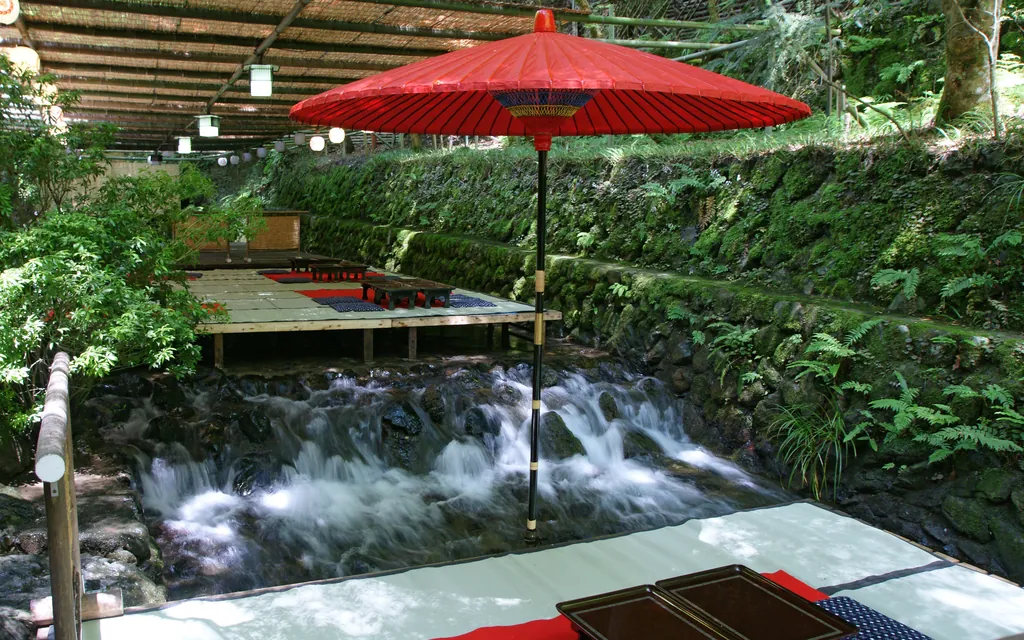
A summer kawadoko platform over the stream, with a red parasolSakyo-ku, Kyoto

A summer kawadoko platform over the stream, with a red parasol

Kibune Kawadoko

In summer, have dinner sitting right above a stream.

Getting there●●○○○Easy on your own: about 30 minutes on the Eizan line from Demachiyanagi, then a 5-minute bus or 30-minute walk.

Best timeMay–Sep, Jan–Feb

In summer in Kyoto, take a short train ride north for a meal in a valley.

The stream rushes beneath your feet and cool air rises off the water — while central Kyoto bakes, up here it feels like another season. Kibune lies in a valley north of the city, with a row of ryokan and restaurants along the Kibune River. Every summer they build wooden kawadoko platforms right over the stream and lay down tatami, so you dine sitting above the flowing water, several degrees cooler than downtown — this is how Kyoto escapes the heat. It's different from the noryo-doko terraces beside the Kamo River in the city; in Kibune the platforms sit directly over the water. After eating, walk deeper into the valley to Kibune Shrine, dedicated to the god of water, where a long row of red stone lanterns lines the approach; at its water fortune, you float the paper on water and the words slowly appear. When snow falls in winter, the lanterns and torii turn white — a completely different scene. Summer's rushing water or winter's snow, either way you'll want to come back.

GETTING THEREFrom Keihan's Demachiyanagi Station, take the Eizan Railway to Kibuneguchi (about 30 minutes), then about 5 minutes by Kyoto Bus to “Kibune,” or walk about 30 minutes along the valley.
GOOD TO KNOWDining right over the stream is only possible from about May to September, and almost every place needs a reservation; in rain or high water, meals move indoors. Winter has its own treat: on snowy weekends (roughly mid-January to end of February) there's an evening illumination, announced the same day on the shrine's official social media, and it gets crowded. Check the official updates before you go.
SAFETYMountain roads ice over in winter — don't drive; train plus bus is safer. Riverside rocks are slippery, so don't climb down to play in the water.
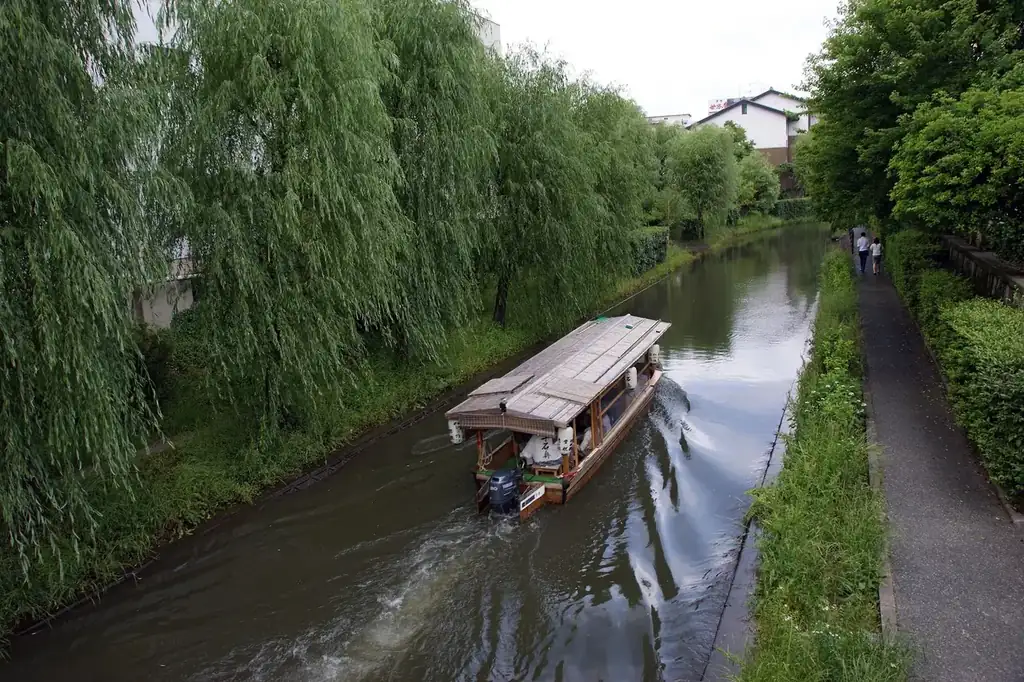
A Jukkokubune boat on the willow-lined canalFushimi-ku, Kyoto

A Jukkokubune boat on the willow-lined canal

Fushimi Sake District and Jikkokubune

A slow boat along a canal lined with sake breweries.

Getting there●○○○○Very easy on your own: a few minutes' walk from Keihan Chushojima Station.

Best timeMar–May, Oct–Nov

To slow down in Kyoto for half a day, come take a boat through this sake town.

A wooden boat glides slowly along the canal past white-walled, black-tiled sake breweries, willows trailing into the water and a faint sweetness of rice koji in the air. In the Edo period, Fushimi was the river port linking Kyoto and Osaka, and it's still one of Japan's great sake towns. The Jikkokubune recreates the cargo boats of that era; a round trip takes about 50 minutes, stopping partway to visit the Misu Lock museum. It's in the same ward as Fushimi Inari, though most visitors leave after the shrine and miss this quiet waterway. Spring is the most beautiful, when cherry blossoms fill both banks and are best seen looking up from the boat; in autumn there's also a limited-season Sanjikkokubune for the fall colors. Step ashore, wander the brewery streets, and let Kyoto slow down with the water.

GETTING THEREA few minutes' walk from Keihan Chushojima Station.
GOOD TO KNOWThe Jikkokubune only runs from about late March to the first Sunday of December — in 2026, March 20 to December 6 — and spring blossoms and autumn colours are both lovely from the water. No sailings on Mondays, except in April, May, October and November; in 2026 it also paused August 12–31. Book on the official site and double-check sailings before you go.
SAFETYDon't cycle or drive after tasting sake, and watch your step on the waterside paths.
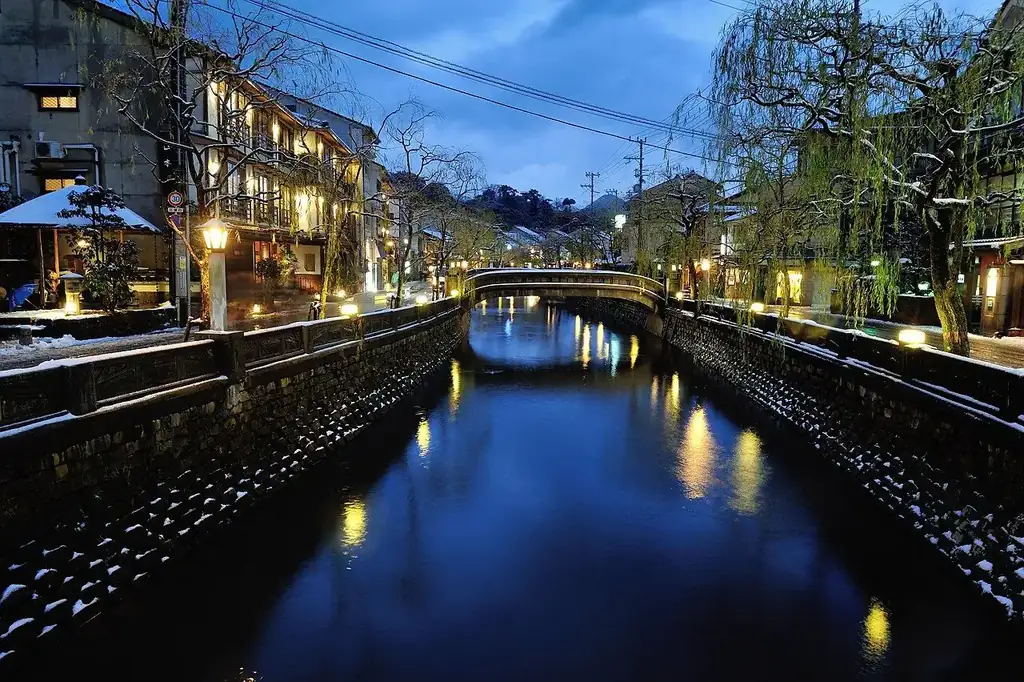
Kinosaki Onsen at dusk, its willow-lined river lit upToyooka, Hyogo

Kinosaki Onsen at dusk, its willow-lined river lit up

Kinosaki Onsen

When the geta start clacking, the hot-spring night begins.

Getting there●●○○○Easy on your own: about 2.5 hours by direct JR limited express from Osaka or Kyoto.

Best timeNov–Dec, Jan–Mar

For a night that's lively and relaxing at once, stroll this hot-spring street in a yukata.

Clack, clack — geta on stone paving, yukata sleeves lifting in the evening breeze, willow branches swaying over the river. Kinosaki is a hot-spring town said to be about 1,300 years old, with willows along both banks of the Otani River and stone bridges and wooden inns lining the water. The street has seven sotoyu (public bathhouses), and visitors change into yukata and geta to hop from one to the next — a tradition called sotoyu meguri. The best time is after dark, when the whole street lights up and people stroll in yukata, cheeks warm from one bath as they drift to the next. Winter may bring snow and is snow crab season; in spring there are cherry blossoms by night along the river. Come once and you'll understand why people return every year for another round.

GETTING THEREFrom Osaka, take the JR Konotori limited express (about 2 hours 40 minutes), or from Kyoto the JR Kinosaki limited express (about 2 hours 20 minutes), to Kinosaki Onsen Station. Highway buses also run from Osaka Umeda (just over 3 hours).
GOOD TO KNOWStay at an inn on the main street and you'll usually get a pass for all the public baths — soaking your way through all seven in one evening is the best deal. November to March is also snow crab season. Each bath has its own closing day, so glance at the Kinosaki Onsen official site before you go.
SAFETYRoads may be snowy and icy in winter, so take care walking in geta. Drink water before and after bathing, and don't stay in too long if you feel unwell.
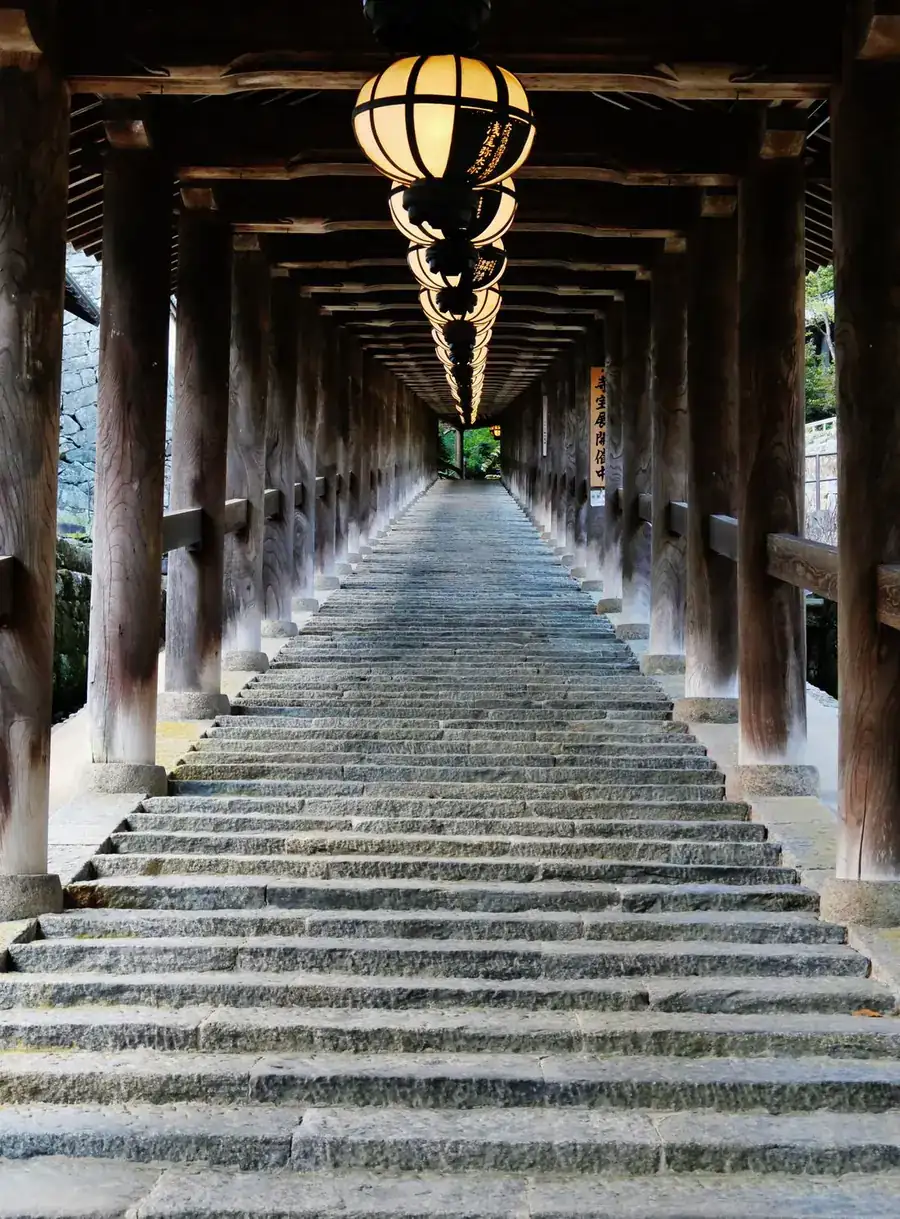
The lantern-hung covered stairway at HasederaSakurai, Nara

The lantern-hung covered stairway at Hasedera

Hasedera Temple

399 lantern-lit steps up to the temple of flowers.

Getting there●●○○○Easy on your own: Kintetsu from Osaka or Kyoto, changing at Yamato-Yagi, then about 15 minutes' walk from Hasedera Station.

Best timeApr–May, Nov

For a quiet path with a real sense of ritual, climb this lantern-lined corridor.

Lanterns hang one after another from the eaves, the stone steps climb out of sight, and your footsteps echo softly through the wooden corridor. Hasedera stands on the slopes of Mount Hatsuse and is called the “temple of flowers.” From the Niomon gate to the main hall runs a covered stairway of 399 stone steps in three sections, and the stairway itself is an Important Cultural Property. At the top, the main hall — a National Treasure — hangs off the cliff, and from its wooden stage the whole valley opens before you. The most beautiful time is late April to early May, when about 7,000 peonies of some 150 varieties bloom; summer brings hydrangeas and autumn red leaves. Climb the lantern corridor step by step, look back, and every one of those steps will feel worth it.

GETTING THEREAbout 15 minutes' walk from Kintetsu Osaka Line Hasedera Station. From Osaka or Kyoto, change at Yamato-Yagi.
GOOD TO KNOWThe peony season, late April to early May, is the highlight, with blooms lining the covered stairway. Arrive early for a chance at an empty shot. The stairway is roofed, so a rainy day just makes it quieter. Bloom times vary each year — check the temple's official site for updates.
SAFETYThere are lots of steps — wear good shoes, and if you have limited mobility, go at your own pace.
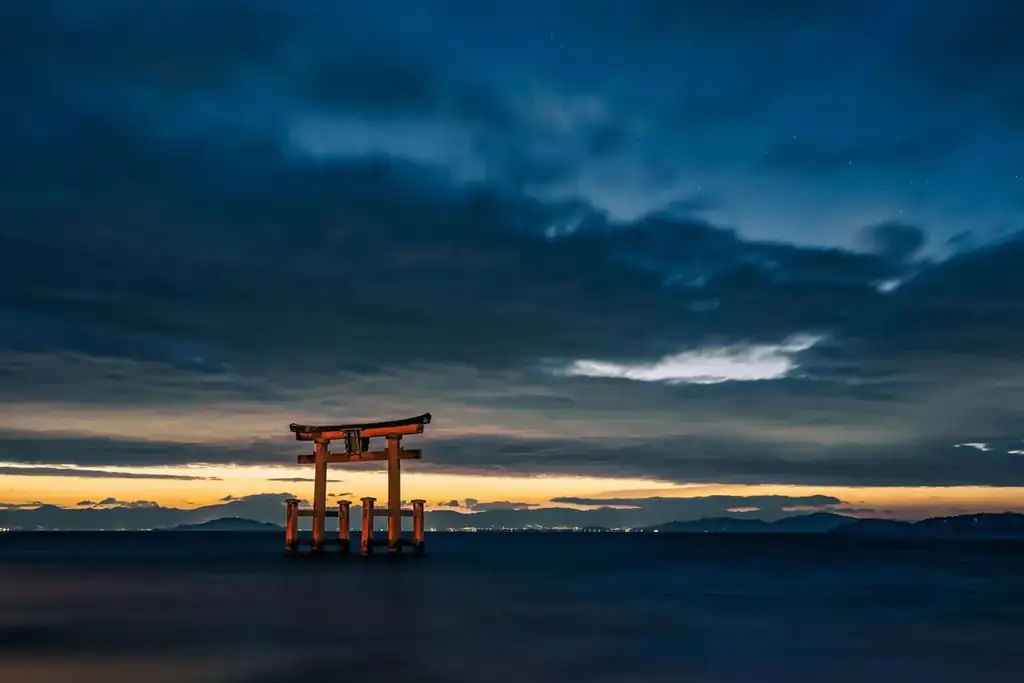
The torii standing in Lake Biwa under a glowing horizonTakashima, Shiga

The torii standing in Lake Biwa under a glowing horizon

Shirahige Shrine

A torii rising out of Lake Biwa in the morning light.

Getting there●●○○○Easy on your own: about 5 minutes by taxi or 40 minutes on foot from JR Omi-Takashima Station.

Best timeGood all year

If you're willing to get up early, the torii in Lake Biwa will give you an unforgettable dawn.

Before full daylight, the lake is a grey-blue hush with only the faintest lapping of waves. Then a great vermilion torii slowly emerges from the morning light, standing in the waters of Lake Biwa. Shirahige Shrine's torii is separated from the shrine on shore by a national highway, and the scene recalls Itsukushima Shrine on Miyajima, so it's called the “Itsukushima of Omi.” The shrine is said to be about 2,000 years old. It's most beautiful at sunrise, as the torii is lit little by little from behind; in winter the air is clear and the lake and distant mountains look especially sharp. Set your alarm a little earlier — this dawn may be the quietest picture of your whole trip.

GETTING THEREAbout 5 minutes by taxi or about 40 minutes on foot from JR Kosei Line Omi-Takashima Station.
GOOD TO KNOWThe lake torii is at its best at sunrise, when the water is calmest. For photos, use the viewing deck in front of the shrine office (Aoko Shirahige-dai). The highway in front is fast and busy — never try to cross it.
SAFETYThe highway between the torii and the shrine is fast and busy, and there have been fatal accidents. Do not cross the highway to take photos by the lake — guardrails and no-crossing signs are in place.
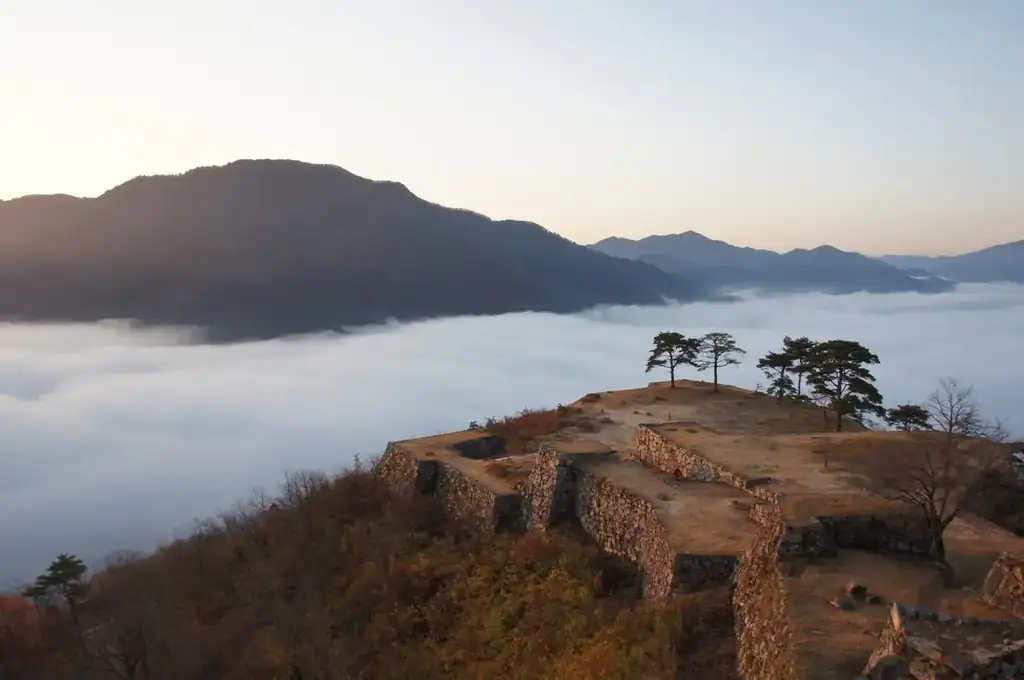
Takeda Castle's stone walls above a sea of cloudsAsago, Hyogo

Takeda Castle's stone walls above a sea of clouds

Takeda Castle Ruins

When the clouds part, the castle floats in the sky.

Getting there●●●○○Some planning: JR from Himeji to Takeda Station, then about 40 minutes uphill on foot, or a bus plus a walk.

Best timeSep–Nov

If you're willing to get up early once, this castle in the sky is worth it.

Before dawn, your flashlight picks out the mountain path and your breath turns white. Then the sun comes up, the basin below fills with a sea of clouds, and the stone walls seem to float in the sky. Takeda Castle Ruins sit on a mountaintop 353 m up, with remarkably intact stone walls, earning the names “castle in the sky” and “Machu Picchu of Japan.” A sea of clouds is most likely around sunrise in October–November — on average about one day in three. Ritsuunkyo, on the mountain opposite, is the classic spot for watching it. The clouds won't be waiting every day, but the morning they are, you'll remember for the rest of your life.

GETTING THEREFrom Himeji, take the JR Bantan Line to Takeda Station, then walk about 40 minutes up to the castle, or take a bus plus a walk.
GOOD TO KNOWThe sea of clouds appears most often on clear, windless autumn mornings from September to November — that's when the 'castle in the sky' is at its most magical. Bring a torch and warm layers. The ruins close for winter from January 4 to the end of February; you can still view them from Ritsuunkyo across the valley. Bad weather can also close it, so check the official site.
SAFETYWear good shoes on the climb and bring enough water.
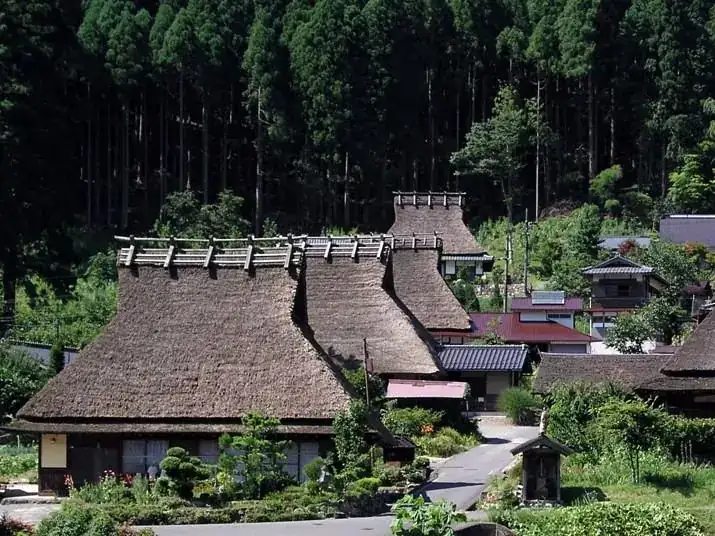
Thatched-roof farmhouses in MiyamaNantan, Kyoto

Thatched-roof farmhouses in Miyama

Miyama Thatched Village

Under thatched roofs, time walks a little slower.

Getting there●●●○○Doable on your own with changes: JR from Kyoto to Hiyoshi, then a city bus; 1.5–2 hours in total.

Best timeJan–Feb, Apr–May, Oct–Nov

To spend a day switched off, this thatched-roof village will quiet your mind.

In the valley, thatched roofs sit like thick caps on farmhouse after farmhouse, rice fields in front, nothing but birdsong and the sound of the stream beyond. Miyama has about 40 thatched-roof farmhouses that keep their look from the Edo to Meiji periods, and it's a national preservation district for traditional buildings. Walking the village paths, the smell of thatch and wood smoke slows you right down. From late January to early February, the Snow Lantern Corridor lights up the village — lamplight in the snow against the thatched roofs is a softer, different kind of beauty. There's nothing to rush here; just stay a while and time seems to move a little slower than outside.

GETTING THEREJR Kyoto Station → JR Hiyoshi Station → Nantan city bus, about 1.5–2 hours in total.
GOOD TO KNOWWinter is the time to come: thatched roofs under snow look like a fairy tale, and the winter lantern event lights the village at night — in 2026 it ran January 19–23. There's no evening bus back, so to see the lights, stay in Miyama or join a tour. People still live here and cars aren't allowed in. In snowy weather, check bus times and the latest updates first.
SAFETYMany stretches have no street lights, so carry a torch after dusk; wear grippy shoes on snow and ice in winter.
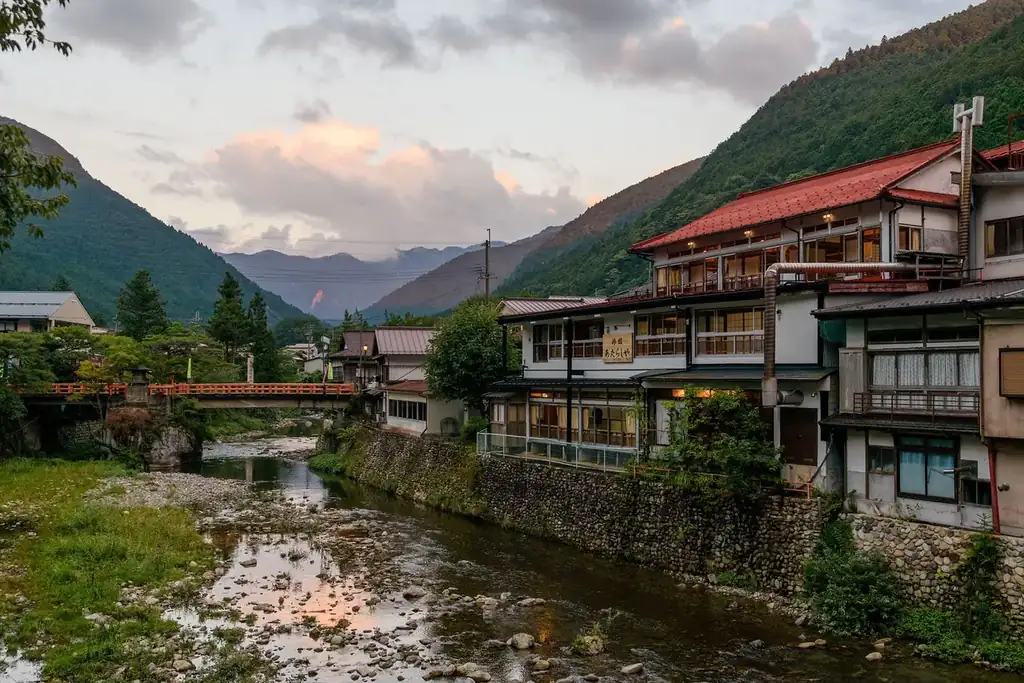
Wooden inns beside the river at Dorogawa OnsenTenkawa, Nara

Wooden inns beside the river at Dorogawa Onsen

Dorogawa Onsen

When the lanterns glow, the pilgrims' hot-spring town slips back in time.

Getting there●●●○○Doable on your own with changes: about an hour by Kintetsu limited express from Osaka, then about 70 minutes by bus.

Best timeMay–Nov

To hide away in the mountains for a night, this ascetics' hot-spring street is perfect.

As darkness falls, the big lanterns outside the old inns light up one by one, the sound of the stream echoes through the valley, and the street goes quiet except for the clack of geta. Dorogawa Onsen lies in a valley at the foot of Mount Omine, where for a thousand years people climbing the mountain for ascetic training have stopped to rest. Outside the old inns hang large lanterns offered by pilgrim groups from all over, and once they're lit at night it feels like stepping into another era — a place even many Japanese have never been. In summer the valley is cool, a perfect escape from the heat; in autumn the nearby gorges turn red. After a soak, stroll under the lanterns in your yukata and you'll feel you've truly slipped away into the mountains.

GETTING THEREAbout 1 hour from Osaka Abenobashi by Kintetsu limited express to Shimoichiguchi, then about 70 minutes by Nara Kotsu bus to the last stop.
GOOD TO KNOWSummer is especially pleasant — it's several degrees cooler than the lowlands, and the lantern-lit old street is lovely at night. Buses are few, so check return times. If driving, set Tenkawa-Kawai as a waypoint so your navigation doesn't send you down narrow mountain roads.
SAFETYIt gets dark early in the deep mountains, and mountain roads can ice over in winter. Traveling with others is recommended.
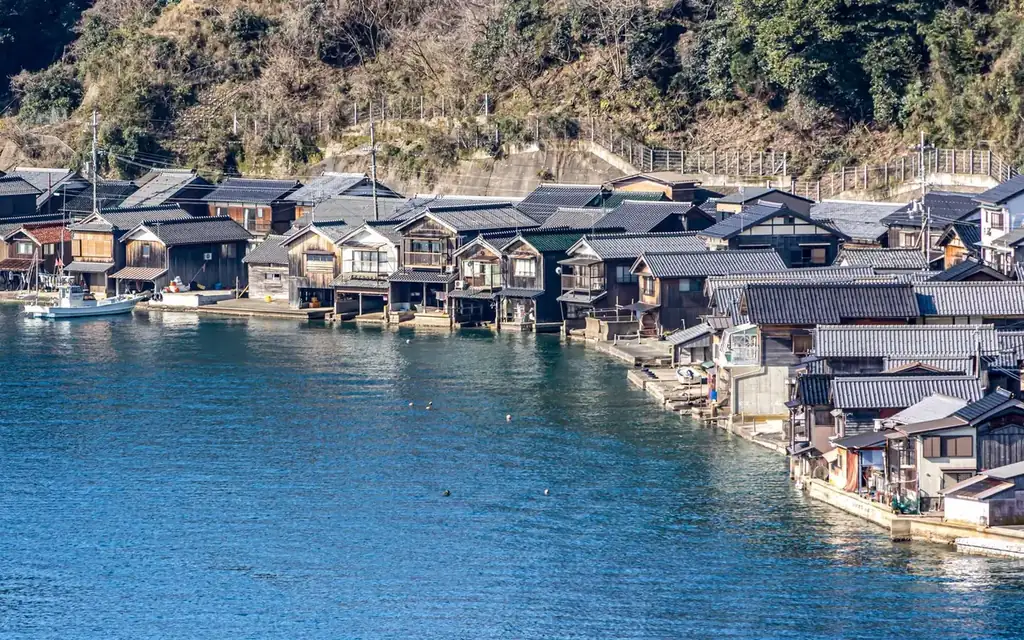
Funaya boathouses lining Ine BayIne, Kyoto

Funaya boathouses lining Ine Bay

Ine Funaya Boathouses

A row of boathouses living right on the water.

Getting there●●●○○Doable on your own, but it's a long way: about 3 hours from Kyoto by train and bus.

Best timeApr–Oct

To see a fishing village rare even in Japan, stay a night in Ine.

Waves lap at the stone steps beneath the boathouses, fishing boats rest on the ground floor, the upstairs windows look straight out over the bay, and gulls circle overhead. In Ine, about 230 funaya boathouses line Ine Bay, with a boat garage downstairs and a home upstairs; it's called one of Japan's most beautiful fishing villages and is a national preservation district for traditional buildings. The best way to see it is by water taxi or sightseeing boat, watching the whole row sit right at the waterline. Toward evening, the sunset turns the bay gold and the boathouses' reflections stretch out slowly. There's nothing you need to do here — sitting by the water, watching the sea, is a whole day.

GETTING THEREAbout 3 hours from Kyoto by train and bus.
GOOD TO KNOWEarly morning and evening are the most beautiful, when the calm water mirrors the boathouses; a sightseeing cruise gives you a different angle from the sea. Most boathouses are private homes, so don't wander in. Places to eat are few — plan your meals before you go.
SAFETYThe boathouses line the water and quays aren’t fully railed, so take care at night and watch children.

Not sure which to pick? Take the 4-minute travel-personality quiz and find the one that suits you.

Take the quiz