TOP-TIER TRAVEL中/EN

Japan · Kanto

10 hidden gems in Kanto

Day trips from Tokyo. We picked 10 places in this region — some well known, some few visitors find. Browse at your own pace, then take the quiz when something catches your eye.

TOP-TIER TRAVEL › All hidden gems › Japan › Kanto

Not sure which to pick? Take the 4-minute travel-personality quiz and find the one that suits you.

Take the quiz
Kawagoe's Toki-no-Kane bell tower
First time? Start with Tokyo's classics

You can't go wrong doing a first lap of Tokyo classics like Asakusa, Skytree and Shibuya. Then save one day for the place below that's truly yours — most are within half a day of Tokyo.

Looking for a place to stay in this area? Start here:

Spot details checked: October 2026

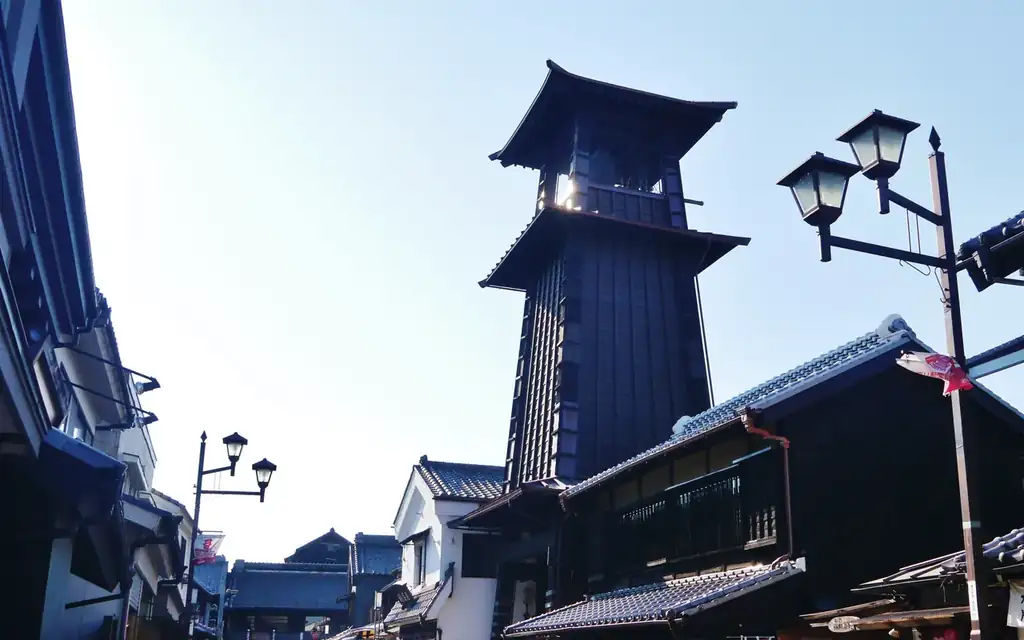
Kawagoe's Toki-no-Kane bell tower and storehouse buildingsKawagoe, Saitama

Kawagoe's Toki-no-Kane bell tower and storehouse buildings

Kawagoe Kurazukuri Street

The bell rings, and a street of black storehouses returns to Edo.

Getting there●○○○○Very easy on your own: about 30 minutes by train from Ikebukuro, then a bus or a walk to the old street.

Best timeGood all year

For an easy day trip from Tokyo, Kawagoe is a great pick.

“Gong—” the bell of the wooden Toki-no-Kane tower rings out over the rooftops, a row of thick-walled black houses lines the street, and the air smells sweetly of snacks. Kawagoe was a thriving merchant town in the Edo period, nicknamed “Little Edo.” After a great fire in the Meiji era, merchants rebuilt in the thick-walled, fireproof kurazukuri style, and this row of black storehouse-style buildings survives as a national preservation district for traditional buildings. The bell tower you see was rebuilt after the fire and is still rung on schedule. Turn into nearby Kashiya Yokocho, a little lane of old-fashioned sweet shops with candy of every color laid out in rows; eating as you walk is the way to do it here. It's not far from Tokyo, yet it feels like another era, and next time that bell rings, you'll want to be standing on that street.
GETTING THEREAbout 30 minutes from Ikebukuro on the Tobu Tojo Line express to Kawagoe Station, or the Seibu Shinjuku Line to Hon-Kawagoe. From the station, take a bus or walk about 20 minutes to the old street.
GOOD TO KNOWWeekday mornings are the quietest time for the old street and the best for empty photos; weekends and holidays get very busy. The Toki-no-Kane bell tower is a photo hotspot, so expect a queue.
SAFETYThe old street is busy and the pavements narrow, so keep to the side and watch for cars.
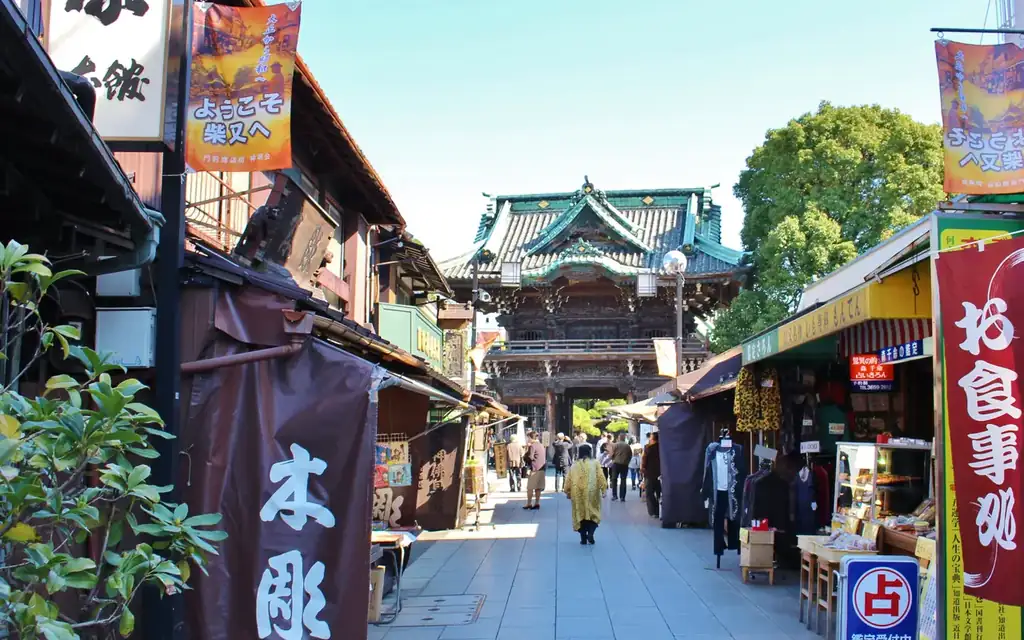
The approach to Shibamata Taishakuten, with the Nitenmon gate at the endKatsushika, Tokyo

The approach to Shibamata Taishakuten, with the Nitenmon gate at the end

Shibamata Taishakuten

Tora-san's hometown, one skewer of dango away.

Getting there●○○○○Very easy on your own: about 30 minutes on the Keisei line from Ueno, then a 3-minute walk.

Best timeGood all year

To taste old downtown Tokyo, walk the approach street in Shibamata.

Step out of the station and the short approach street smells of mugwort from the kusa-dango, shopkeepers calling out to passersby all the way to the temple gate. Shibamata Taishakuten, officially Daikyo-ji, is also the hometown of Tora-san, hero of the beloved film series Otoko wa Tsurai yo, and many Japanese think of him the moment they hear “Shibamata.” The street is lined with old wagashi shops and river-fish restaurants, and kusa-dango (mugwort mochi) is the local favorite. Inside, the outer walls of the Taishakudo hall are covered in wood carvings of Buddhist stories made from the Taisho to early Showa eras, astonishing in their detail; you could stand there looking forever. Then walk on to the Edo River, where a ferry still crosses, the Yagiri no Watashi. Climb aboard, feel the river breeze, and it's as if you've stepped into the film yourself.

GETTING THEREFrom Ueno, take the Keisei line to Keisei-Takasago, then one stop on the Keisei Kanamachi Line to Shibamata — about 30 minutes in total. The approach street is about 3 minutes' walk from the station.
GOOD TO KNOWThe approach is short — an hour or two covers it, so it pairs easily with other Tokyo plans. If you want the Yagiri ferry, its operating days vary by season, so check first.
SAFETYMind your belongings on the busy approach; watch your step getting on and off the ferry.
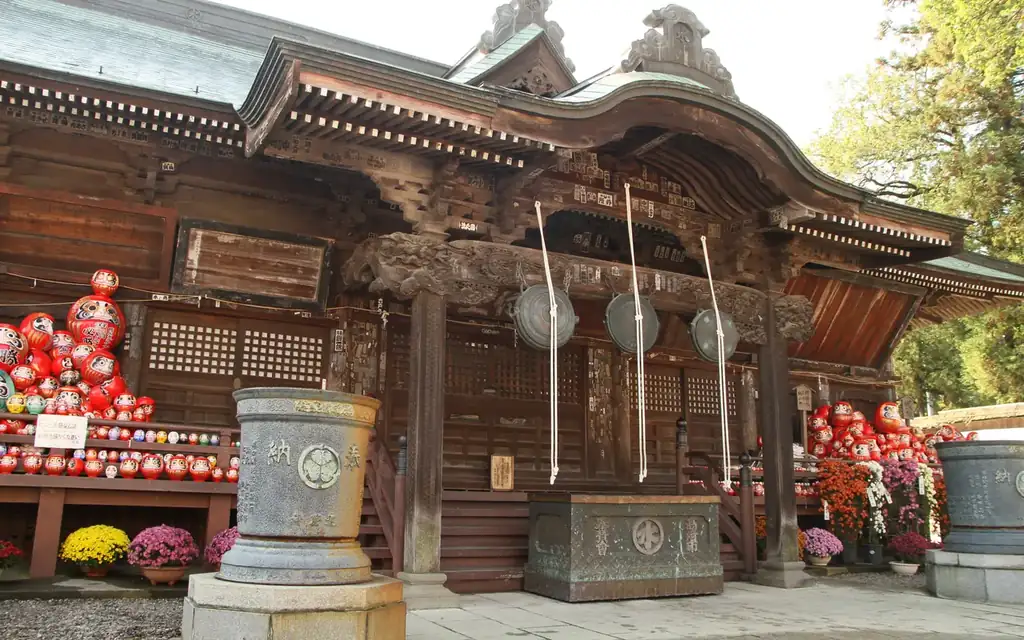
A hall at Shorinzan Darumaji, flanked by rows of red darumaTakasaki, Gunma

A hall at Shorinzan Darumaji, flanked by rows of red daruma

Shorinzan Daruma-ji, Takasaki

A mountain of red daruma, waiting for you to paint in an eye.

Getting there●●○○○Easy on your own: about an hour by shinkansen from Tokyo to Takasaki, then 20–30 minutes by loop bus.

Best timeJan

To see rows and rows of red daruma, visit Takasaki's Daruma Temple.

Climb the stone steps and the front of the main hall is a sea of red, piled with daruma offered by worshippers, their round eyes some painted in, some still blank, waiting for a wish to come true. Takasaki is said to make about 80% of Japan's daruma dolls, including most of the “election daruma” whose eyes are painted in after a win, and Shorinzan Daruma-ji is considered the birthplace of good-luck daruma; its Daruma Hall displays daruma from all over Japan. The Nanakusa Taisai Daruma Market on January 6–7 is the busiest time of year on the mountain, with sellers' calls and crowds filling the approach; in autumn, red daruma framed by red leaves is a rare sight. The temple also has Senshintei, the cottage where German architect Bruno Taut once lived. Take a daruma home, paint in one eye, and save the other for the day your wish comes true.

GETTING THEREAbout 1 hour from Tokyo on the Joetsu or Hokuriku Shinkansen to Takasaki Station. From there, take the Gururin city loop bus (Shorinzan line) to “Shorinzan Iriguchi” (about 20–30 minutes), or JR Shin'etsu Line to Gumma-Yawata Station and walk about 20 minutes.
GOOD TO KNOWThe Daruma Market on January 6–7 is the liveliest time, with a hillside of red daruma dolls; it's very crowded, so avoid it if you want a calm visit. Buses and trains are infrequent, so check times first.
SAFETYThere are many stone steps up from the bus stop, slippery in rain; wear good shoes on the hillside paths.
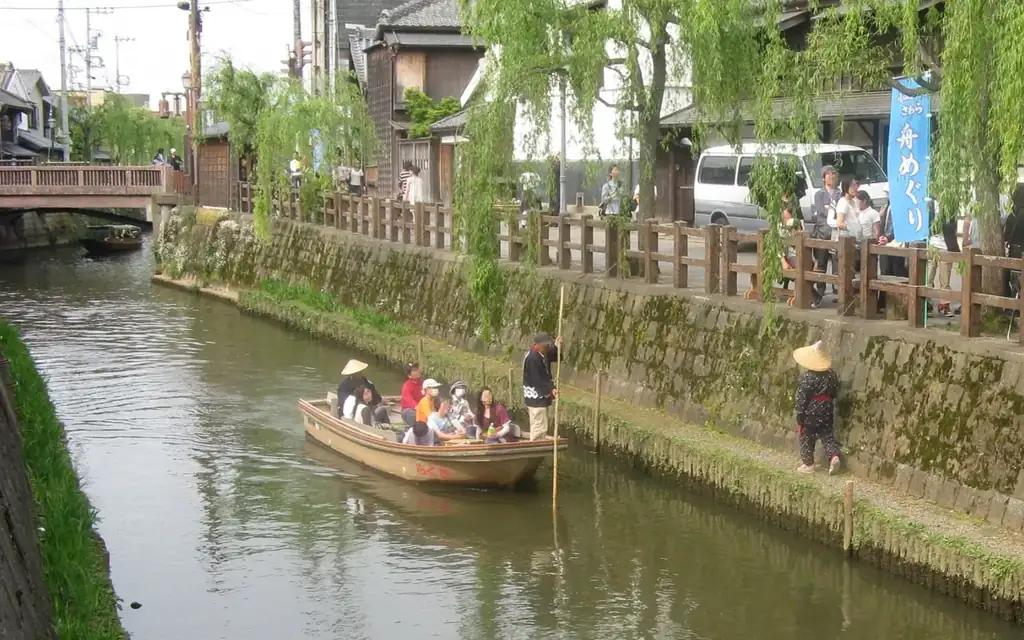
A boat on the Ono River, with willows along the bankKatori, Chiba

A boat on the Ono River, with willows along the bank

Sawara Canal Town

Drift by boat through the Little Edo of Hokuso.

Getting there●●○○○Easy on your own: about 1.5 hours by highway bus from Tokyo, or JR to Sawara Station; close to Narita Airport.

Best timeMay–Jun

For an old town close to the airport where you can wander slowly, Sawara is a great fit.

The little boat skims the water as old merchant houses and storehouses, one after another, are mirrored in the Ono River and the boatman's voice drifting softly over the canal. Sawara prospered in the Edo period from river trade on the Tone River, and these old buildings survive today; it was the first area in Kanto chosen as a national preservation district for traditional buildings, and it's called “Little Edo of Hokuso.” Ino Tadataka, who made Japan's first nationwide surveyed map, also lived here; his former home stands by the canal. The best way to see it is a small canal boat, looking at the town from the water. Each July and October, the Sawara Grand Festival parades huge floats through the old streets, and it's on UNESCO's Intangible Cultural Heritage list; when the floats roll out, the whole street comes alive. Drift here for an afternoon, and you won't want to step ashore.

GETTING THEREGet off at JR Narita Line Sawara Station and walk about 10–15 minutes to the Ono River. It's very close to Narita Airport, so you can fit it in on your arrival day or the day before you fly home. Highway buses also run directly from Tokyo Station (about 1.5 hours).
GOOD TO KNOWThe Sawara Grand Festival happens twice a year — in 2026, summer on July 10–12 and autumn on October 9–11 — when huge doll floats parade along the canal like old Edo. It's crowded then, so book early. Boat rides stop in bad weather, so confirm before going.
SAFETYThe railings along the canal path are low — keep an eye on children.
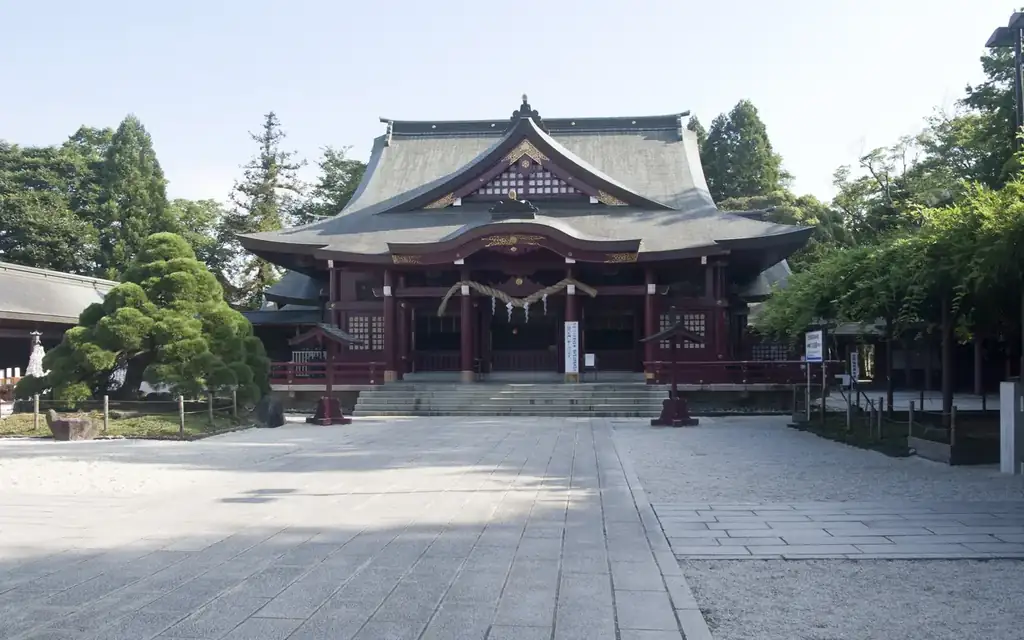
The main hall of Kasama Inari ShrineKasama, Ibaraki

The main hall of Kasama Inari Shrine

Kasama Inari Shrine

Chrysanthemums, 400-year-old wisteria, and a plate of inari sushi.

Getting there●●○○○Easy on your own: about 1.5 hours by JR from Ueno with one change, then a 20-minute walk.

Best timeMay, Nov

If you're in Kanto in autumn or Golden Week, add Kasama to your trip.

Step into the grounds and the fresh scent of chrysanthemums meets you, carefully grown displays lined up in yellow, white and purple, glowing in the autumn sun. Kasama Inari Shrine is an important shrine of the Inari faith, sometimes counted among Japan's three great Inari shrines. The Kasama Chrysanthemum Festival, from mid-October to late November, is said to be Japan's oldest chrysanthemum festival. Come in spring instead and the two wisteria vines in the grounds, about 400 years old, bloom from late April to early May, their purple clusters swaying in the breeze. Kasama is also home to Kasama-yaki pottery, with a big pottery fair during Golden Week. After paying your respects, have some inari sushi on the street in front of the shrine; that bite of sweet fried tofu is the perfect way to end a visit to an Inari shrine. Two flower seasons a year, and either one is worth the trip.

GETTING THEREFrom Ueno, take the JR Joban Line limited express to Tomobe, then the JR Mito Line to Kasama Station — about 1.5 hours in total — then walk about 20 minutes.
GOOD TO KNOWThe autumn chrysanthemum festival is the highlight — the 119th edition ran October 24 to November 23, 2026, with about 10,000 pots on display — and there's a pottery market in Golden Week. Both get busy, so arrive early for a calmer visit. Check the official site.
SAFETYFestivals and markets bring heavy crowds and traffic, so keep to the side and mind your belongings.
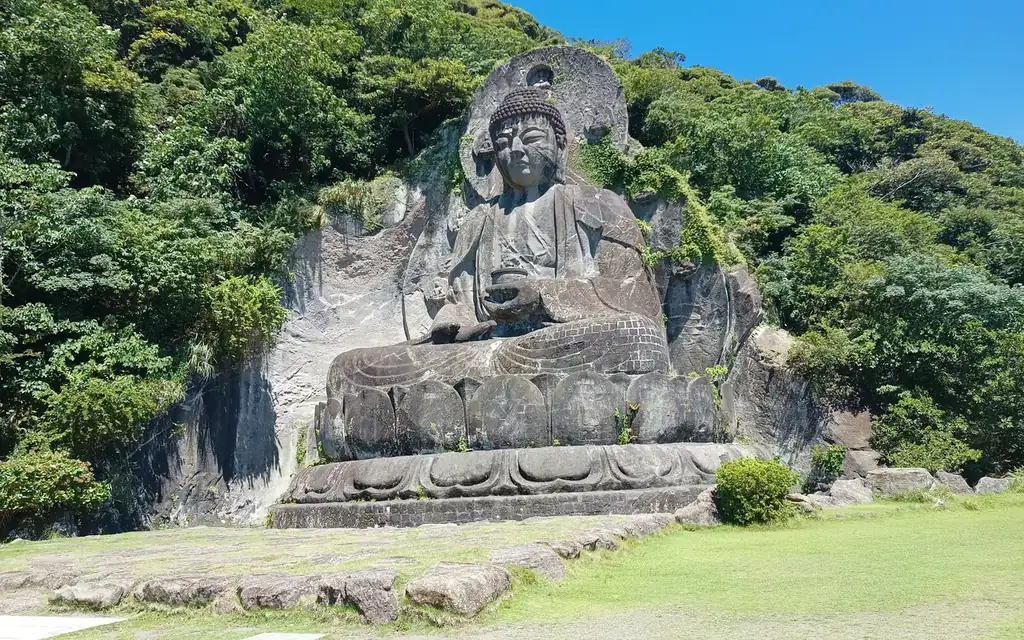
The great Buddha carved into the rock at NihonjiKyonan, Chiba

The great Buddha carved into the rock at Nihonji

Nihon-ji Temple, Mount Nokogiri

Stand on the cliff edge and peer down into hell.

Getting there●●○○○Easy on your own: about 2 hours by JR from Tokyo to Hama-Kanaya, then a 10-minute walk to the ropeway.

Best timeGood all year

To get the sea, a climb and a giant Buddha in one day, Mount Nokogiri does it all.

Climb the stone steps between sheer cut rock walls, where over a thousand stone arhat statues line the mountain path, each with a different face, some smiling, some frowning, as if watching you puff your way up. Mount Nokogiri was once a quarry, and the stone taken from it left a ridgeline jagged like a saw blade, hence its name, “saw mountain.” Nihon-ji, the temple on the mountain, is said to have been founded 1,300 years ago, and its great Buddha, about 31 m tall and carved directly into the rock face, is the largest cliff-carved Buddha in Japan. At the summit, Jigoku Nozoki, “Peek into Hell,” is a rock jutting out over the cliff; step onto it and look down, legs turning to jelly, at the whole of Tokyo Bay, with Mount Fuji visible on a clear day. From the arhats to the great Buddha to the view from the edge, every step of this climb holds a surprise.

GETTING THEREAbout 2 hours from Tokyo on the JR Uchibo Line to Hama-Kanaya Station, then about 10 minutes' walk to the Mount Nokogiri ropeway, a 4-minute ride up. You can also take the Tokyo Bay Ferry from Kurihama in Kanagawa to Kanaya (about 40 minutes).
GOOD TO KNOWOn a clear day the view from Jigoku Nozoki is thrilling, and you may even see Mount Fuji. There are a lot of steps — allow half a day or more to reach the Great Buddha from the ropeway. An admission ticket is needed for Nihonji.
SAFETYJigoku Nozoki is right at the cliff edge — watch your step in the photo line and don't cross the railing. Climbing the steps in summer can cause heatstroke; bring enough water.
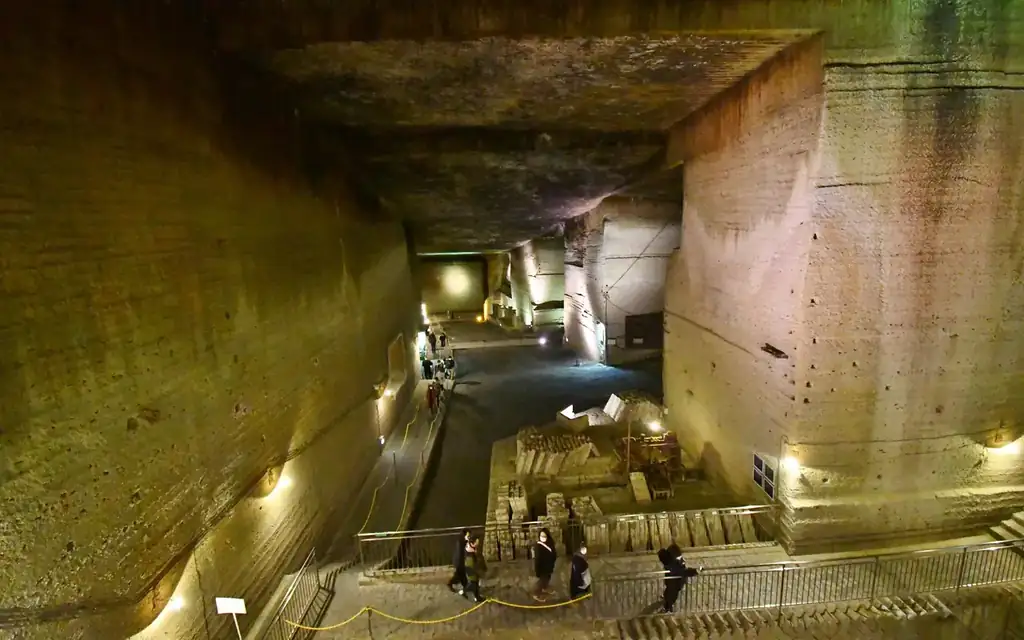
The underground quarry at the Oya History MuseumUtsunomiya, Tochigi

The underground quarry at the Oya History Museum

Oya History Museum

Step underground into a temple made of stone.

Getting there●●○○○Easy on your own: about 50 minutes by shinkansen from Tokyo to Utsunomiya, then about 30 minutes by bus.

Best timeGood all year

To see an underground space that looks nothing like Japan, add a stop at the Oya History Museum.

Walk down the steps and the temperature drops at once, cool air on your face, and before you opens a vast underground hall: stone pillars standing in rows, neat cut marks on the walls stretching away beyond the lights, even your footsteps echoing. The Oya area of Utsunomiya produces a stone called Oya-ishi, quarried since the Edo period and used in the old Imperial Hotel. The Oya History Museum is the underground quarry left after mining, around 20,000 square meters that look like an underground temple, often used for films and music videos. Back above ground, visit nearby Oya-ji temple to see ancient Buddhist images carved directly into the rock face. From an underground temple to Buddhas in the cliff, Oya will change the way you see stone.

GETTING THEREAbout 50 minutes from Tokyo on the Tohoku Shinkansen to Utsunomiya Station, then about 30 minutes by Kanto Bus toward Oya; get off at “Shiryokan Iriguchi” and walk about 5 minutes.
GOOD TO KNOWSummer is the most striking time — it's sweltering outside while the cavern stays around 8°C all year, so bring a jacket. Winter opening days are irregular, so check the official site.
SAFETYThere are many stone steps underground and the floor can be wet — wear non-slip shoes.
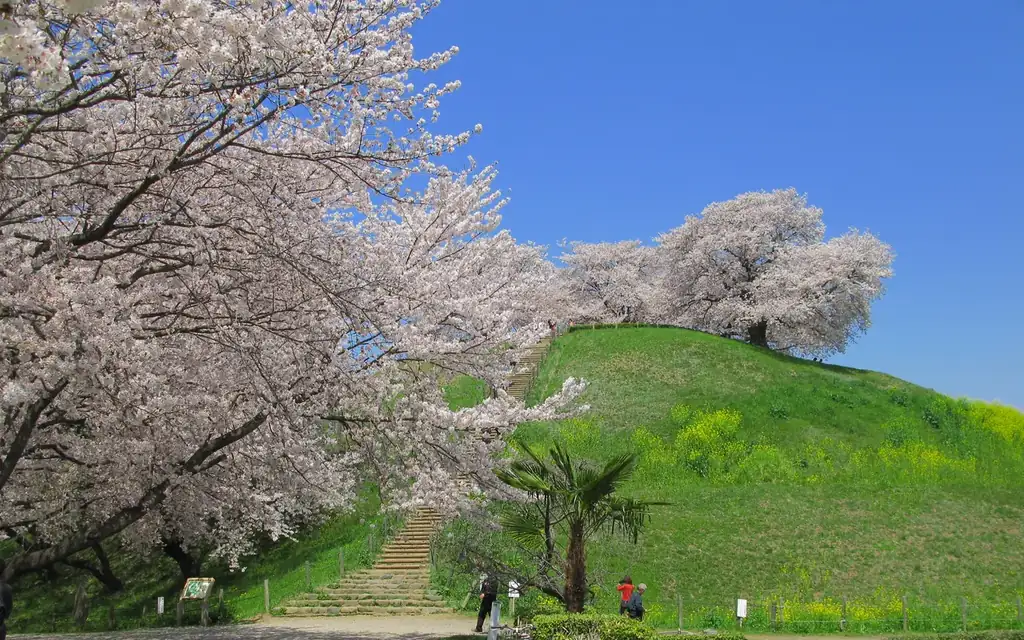
A burial mound with cherry trees in full bloomGyoda, Saitama

A burial mound with cherry trees in full bloom

Sakitama Burial Mounds

Climb an ancient chieftain's tomb and feel the wind of fifteen centuries.

Getting there●●○○○Easy on your own: about an hour by JR from Ueno to Gyoda, then 15–20 minutes by bus.

Best timeMar–Apr, Oct

For an ancient landscape unlike anything back home, come to the Sakitama tombs.

Follow the path up a round little hill as wind sweeps in from the plain, grass-covered mounds all around you, and it's hard to believe these are tombs more than a thousand years old. Between the 5th and 7th centuries, powerful clans of Musashi Province built a group of huge burial mounds here; eight keyhole-shaped tombs and one round tomb survive, and the whole area is a national Special Historic Site. Under your feet, Maruhakayama Kofun, 105 m across, is one of the largest round tombs in Japan; in 1590, when Ishida Mitsunari besieged Oshi Castle by flooding it, he made camp right on its summit. The gold-inlaid iron sword excavated from Inariyama Kofun is a National Treasure, displayed in the museum next door. Of the large tombs, only Maruhakayama and Inariyama can be climbed. In spring Maruhakayama is covered in cherry blossoms, and in autumn the surroundings fill with cosmos. History beneath your feet and flowers before your eyes: a feeling that's hard to find anywhere else.

GETTING THEREAbout 1 hour from Ueno on the JR Takasaki Line to Gyoda Station, then about 15–20 minutes on the city loop bus. Buses also run from Fukiage Station.
GOOD TO KNOWCherry blossom season is loveliest, with flowers and lawns on the mounds perfect for a picnic. The park is big and almost shadeless in summer — bring a hat and water. Nearby Oshi Castle fits into the same trip.
SAFETYThe steps up the mounds are fairly steep and slippery after rain.
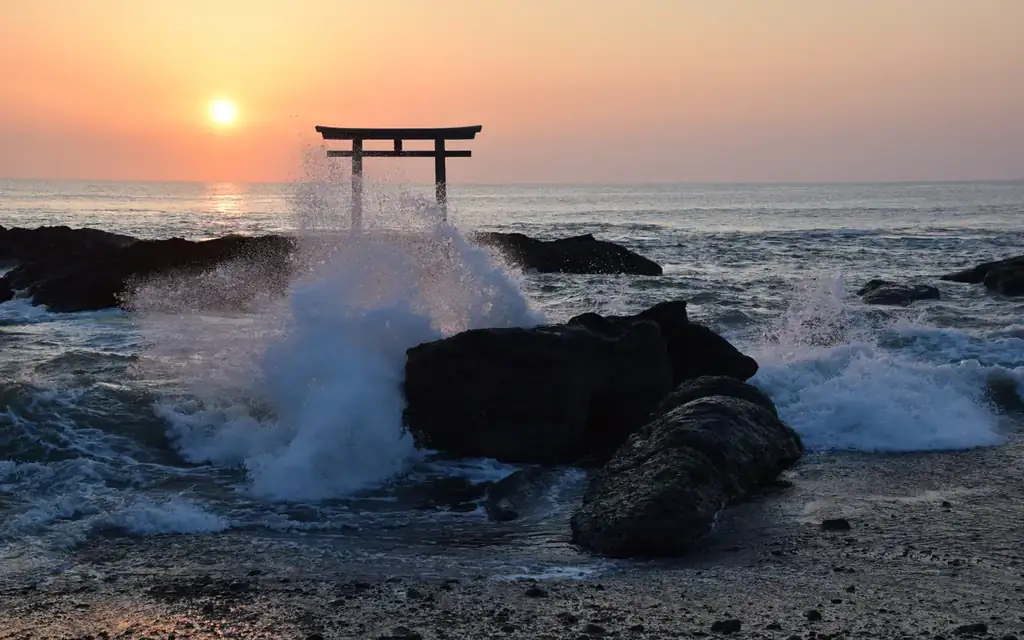
Waves breaking on the rocks below the Kamiiso torii at sunriseOarai, Ibaraki

Waves breaking on the rocks below the Kamiiso torii at sunrise

Kamiiso Torii, Oarai Isosaki Shrine

The moment the waves hit the torii, the sun comes up.

Getting there●●○○○Easy on your own: JR limited express from Tokyo to Mito, the Kashima Rinkai line to Oarai, then a bus or taxi; about 2 hours.

Best timeJan

If you're willing to get up early, the sunrise at this torii in the sea is well worth it.

Before dawn, wave after wave crashes onto the reef, white spray bursting over the torii that stands on the rocks; then the horizon slowly brightens and the sun rises right behind it. According to Heian-period chronicles, in 856 the gods Onamuchi and Sukunahikona descended onto the rocks of this coast, and the shrine was founded as a result; the torii standing on those rocks today is the Kamiiso Torii. It stands on a rocky reef on the Pacific coast, and when the waves are big the sea crashes right up onto it. It's a famous sunrise spot in Kanto and packed on New Year's Day. After the sunrise, climb the long flight of stone steps from the torii to the main shrine on a terrace above the coast. One early morning buys you the first light over the place where the gods came down, and it's absolutely worth it.

GETTING THEREFrom Ueno or Tokyo, take the JR Joban Line limited express to Mito (about 1 hour 15 minutes), then the Kashima Rinkai Railway to Oarai (about 15 minutes), then a bus or taxi to the shrine.
GOOD TO KNOWThe sun rising behind the torii is breathtaking — stay in Oarai the night before to see it. Around New Year it's extremely crowded. The rocks around the torii are a sacred, off-limits area, so don't step on them; watch from the roadside viewpoint. Please don't bring stones from the beach into the shrine.
SAFETYThe rocks around the torii are slippery — stay away when the waves are big or the tide is high, and never climb the rocks for photos.
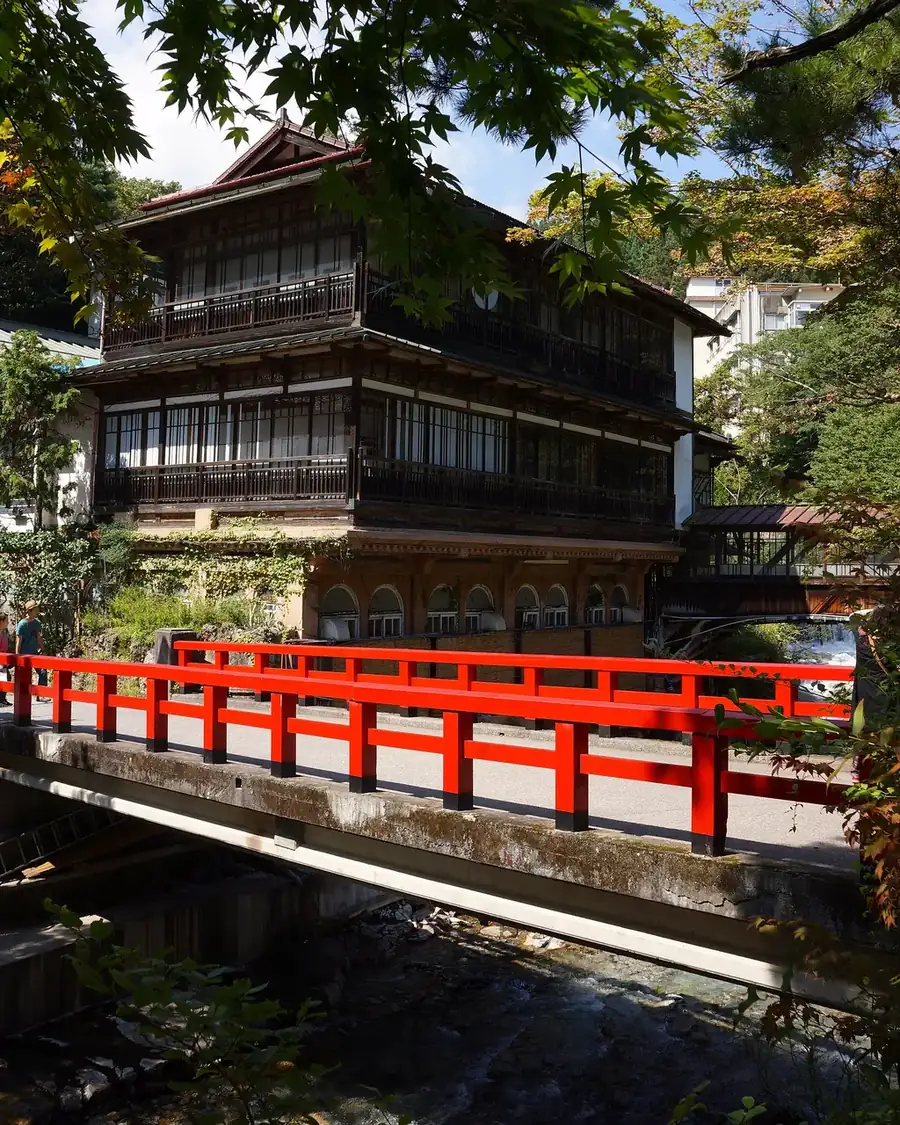
The Sekizenkan inn and its red bridge in Shima OnsenNakanojo, Gunma

The Sekizenkan inn and its red bridge in Shima Onsen

Shima Onsen

A red bridge, an old inn, and a lake of “Shima blue.”

Getting there●●○○○Easy on your own: about 2 hours by JR limited express from Ueno to Nakanojo, then about 40 minutes by bus.

Best timeGood all year

For a quiet, old-fashioned hot spring, Shima Onsen is a great fit.

The stream rushes beneath the bridge, a little red bridge spans the gorge, and behind it stands an old wooden inn, warm light glowing in its windows and steam drifting out from under the eaves. Shima Onsen lies in the Shima River gorge in the mountains of Gunma. Its springs were said to cure “forty thousand illnesses” (shima), hence the name. The town is divided into several areas along the stream, the old streets still have a Showa-era feel, and the red bridge at the entrance with the old wooden inn behind it is the most famous view. Head upstream to Lake Okushima, whose water is an unusual blue known as “Shima blue”; at first sight it's hard to believe the color is real. Soak, stroll, gaze at the lake, and in Shima, time itself seems to slow down.

GETTING THEREAbout 2 hours from Ueno by JR limited express to Nakanojo Station, then about 40 minutes by bus. Direct buses from Tokyo also run.
GOOD TO KNOWSoaking here is loveliest in autumn colour or winter snow, and staying a night lets you feel how quiet the village is. Buses are few, so check return times. There are few restaurants, so dinner is usually at your inn.
SAFETYMountain roads can be icy in winter — watch your step on the riverside paths.

Winter ski areas & events

Coming in winter? The region also has these. Full details (lessons, lodging, transport) are in the winter corner of your quiz results.

Ski areas

  • Tanigawadake Tenjindaira: A high-mountain ski area reachable from Tokyo, with a long season

Not sure which to pick? Take the 4-minute travel-personality quiz and find the one that suits you.

Take the quiz