TOP-TIER TRAVEL中/EN

Mauritius

8 hidden gems in Mauritius

Lagoons, an underwater waterfall & India in Africa. We picked 8 places in this region — some well known, some few visitors find. Browse at your own pace, then take the quiz when something catches your eye.

TOP-TIER TRAVEL › All hidden gems › Mauritius

Not sure which to pick? Take the 4-minute travel-personality quiz and find the one that suits you.

Take the quiz
Le Morne
First time? Start with Île aux Cerfs and the beach

Most first-timers stay at a beach resort, boat to Île aux Cerfs and hire a car for a day around Chamarel and Port Louis. A week is about right. It’s in Africa, yet full of Hindu temples, French place names and Creole, a very special mix. To see which side suits you, look at the place below.

Spot details checked: November 2026

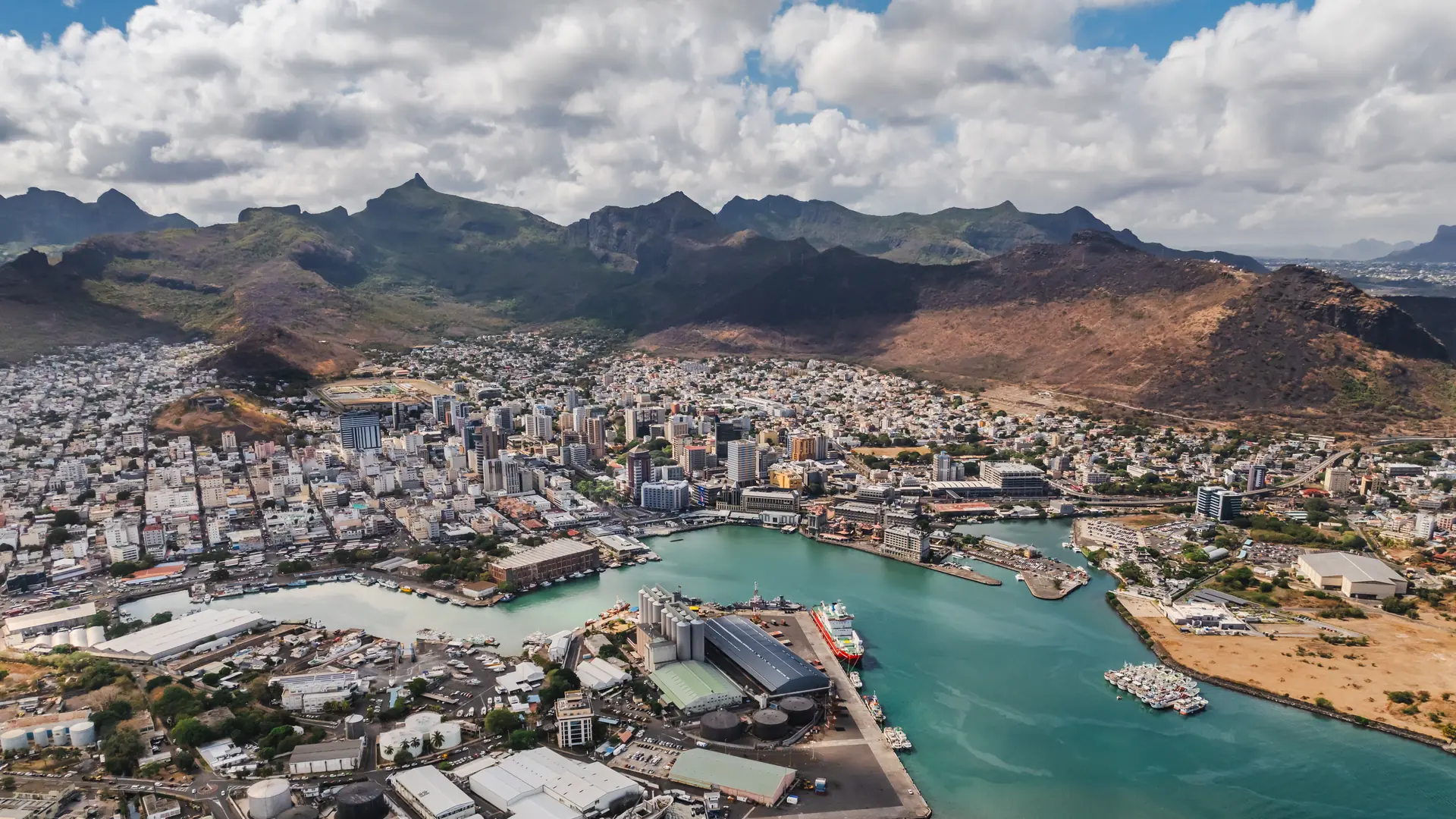
Port Louis · the capital and harbour among the mountainsPort Louis · the capital

Port Louis · the capital and harbour among the mountainsPhoto: Arne Müseler / arne-mueseler.com / CC-BY-SA-3.0 / cropped

Port Louis

A capital ringed by mountains, with India, France and Africa on one street.

Getting there●●●○○Some planning: connecting flights, then about 1 hour by car from the airport.

Best timeMay–Nov

Where you’ll see why Mauritius feels like India and France, in Africa.

From the air, Port Louis sits in a bowl of dark mountains with ships at its rim. This capital is the quickest way to understand Mauritius. Aapravasi Ghat, a World Heritage Site, is where indentured workers from India landed in the 19th century, which explains why most people here are of Indian descent. The Central Market piles up spices, tropical fruit and street food; Caudan Waterfront has galleries and cafés; the Natural History Museum shows the extinct dodo. The Champ de Mars racecourse is among the oldest in the southern hemisphere.
GETTING THEREAbout 1 hour by car from the airport; buses and the Metro Express light rail serve parts of the island. The centre is walkable.
GOOD TO KNOWMay to November is dry and comfortable. Races usually run on weekends from about March to December — see the official calendar. Many shops close on Sundays.
SAFETYPort Louis, Grand Baie and Flic en Flac are pickpocket hot spots: visit by day, don’t walk alone at night, and wear bags in front at the market.
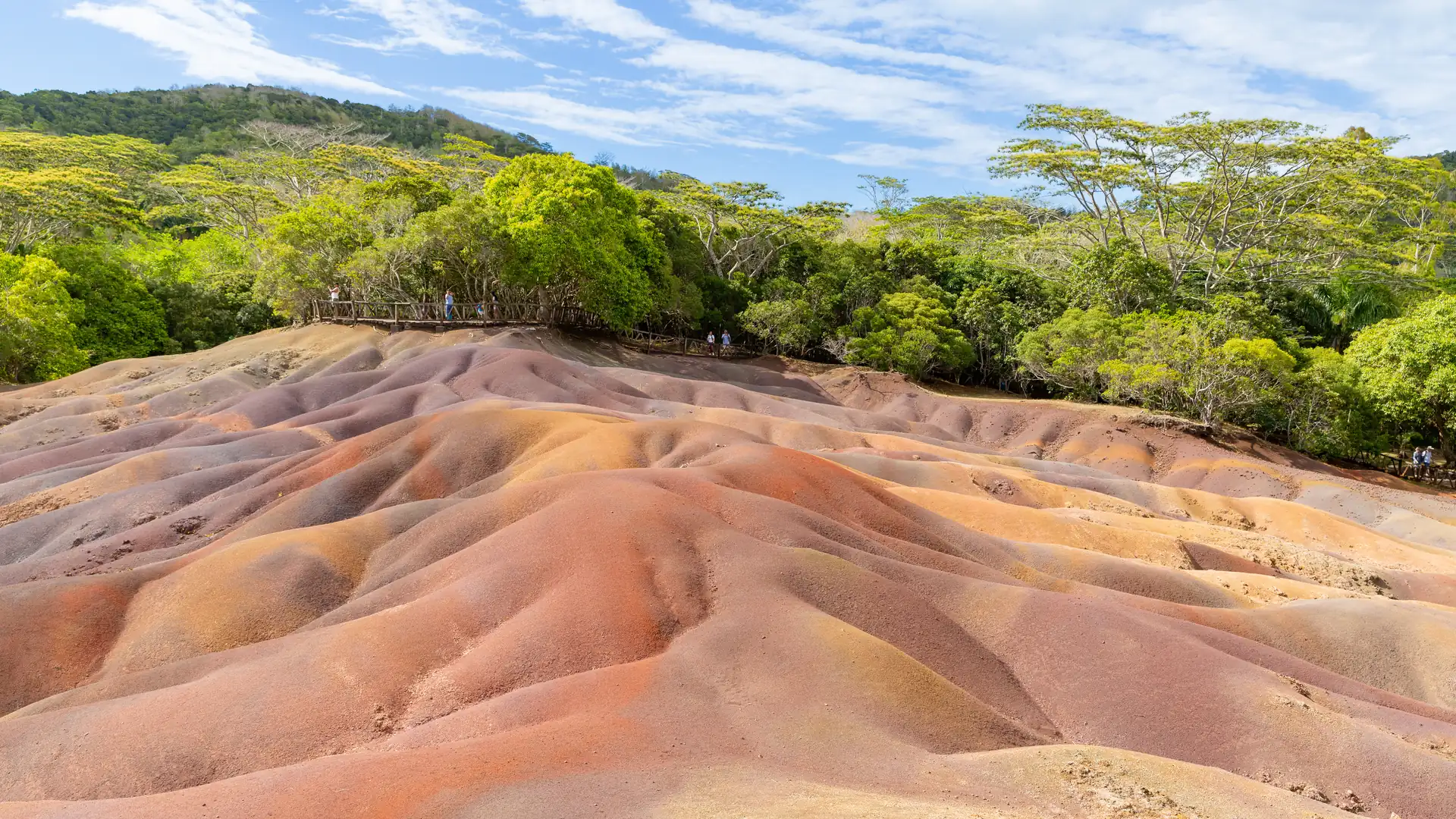
Chamarel · the coloured earthBlack River · Chamarel

Chamarel · the coloured earthdronepicr / CC BY 2.0 / cropped

Seven Coloured Earth, Chamarel

Mounds of red, violet, brown and yellow earth, running up to the forest.

Getting there●●●○○Some planning: hire a car or driver, as public transport is poor.

Best timeMay–Nov

Mounds of weathered volcanic rock, the most distinctive patch of land on the island.

A bare hillock with bands of red, violet, brown and yellow, stained by minerals from weathered volcanic rock. The colours aren’t as vivid as the brochures, but on a sunny morning they still stop you in your tracks. Visitors view it from behind a fence. The same park holds Chamarel Falls, about 95 metres high, seen from a viewpoint. Black River Gorges National Park next door has canyon lookouts and trails, but it’s a separate place with no shared ticket.

GETTING THEREAbout 1 hour by private car from the west coast or Port Louis; public transport is poor. The park and Black River Gorges are separate sites.
GOOD TO KNOWSunny mornings are best and colours deepen after rain. May to November is most comfortable. Enjoy the falls from the viewpoint — don’t scramble into the gorge.
SAFETYMountain roads are narrow, so leave nothing in the car. Trails get slippery, so wear good shoes.
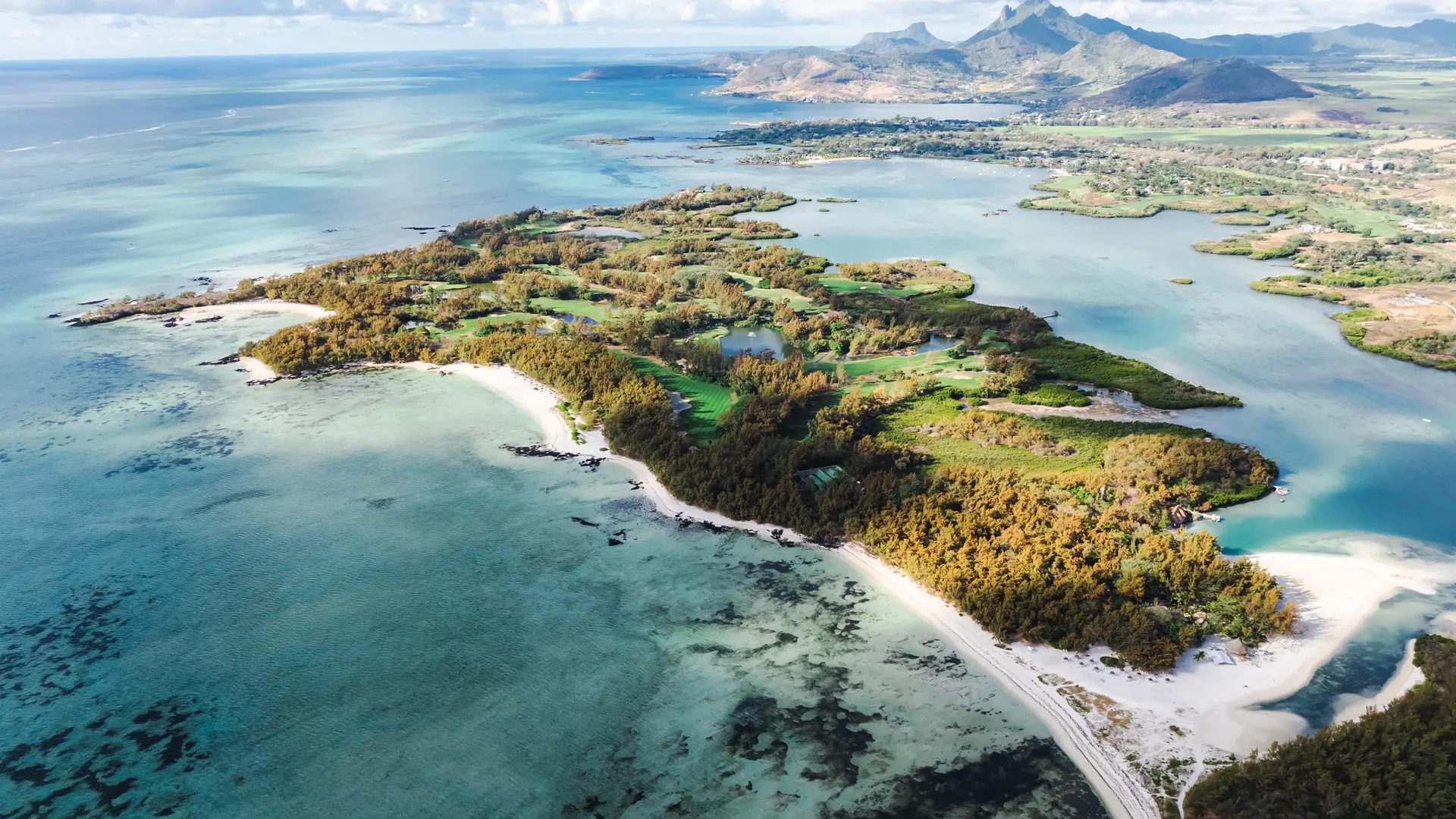
Île aux Cerfs · white sand and shallows from the airOff the east coast

Île aux Cerfs · white sand and shallows from the airPhoto: Arne Müseler / arne-mueseler.com / CC-BY-SA-3.0 / cropped

Île aux Cerfs

White sand ringed by pale blue, floating off the east coast.

Getting there●●●○○Some planning: 15–30 minutes by shuttle boat from the east coast.

Best timeMay–Nov

Mauritius’ favourite day-trip island, most striking from the air.

From the air, Île aux Cerfs is wrapped in white sand and pale water, the lagoon deepening in bands of blue. The island has beaches, restaurants and water sports, and a golf course in the middle, so it’s no desert island, but the shallows run far out and the water is clear and warm. Weekends in high season bring locals and visitors alike; walk to the far end for peace. Boat trips often stop at a small waterfall on the east coast on the way.

GETTING THERE15–30 minutes by shuttle boat or speedboat from Trou d'Eau Douce; east-coast hotels often arrange transfers.
GOOD TO KNOWSeptember to December is driest and clearest; January to March is cyclone season. Weekdays are nicer. Wear sunscreen and don’t step on the coral.
SAFETYDon’t leave valuables on the beach, use licensed water-sports operators, and wear a life jacket.
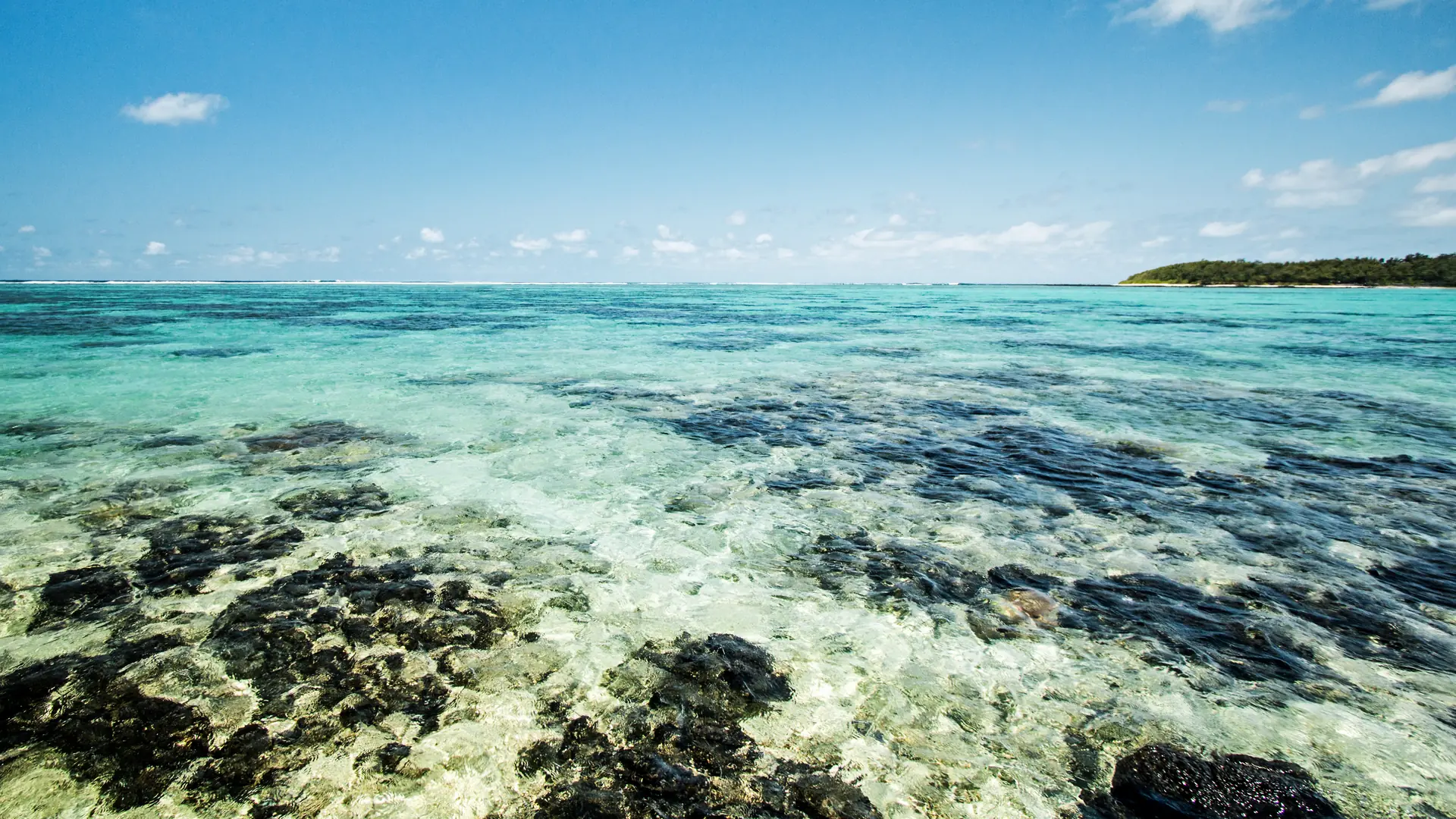
Blue Bay · clear shallows and coral reefSoutheast coast · near Mahébourg

Blue Bay · clear shallows and coral reefLukas von Daeniken / CC BY-SA 2.0 / cropped

Blue Bay Marine Park

Water so clear you can see every coral, with small fish at your feet.

Getting there●●●○○Some planning: about 20 minutes from the airport — a handy first stop.

Best timeSep–Dec

One of the island’s best snorkelling spots, its turquoise water visible from the shore.

The water shades from pale blue to turquoise to deep blue, the reef clear below the surface. Blue Bay is a protected area where you needn’t go far to snorkel, and glass-bottom boats let non-swimmers see the fish and coral too. Next door is Mahébourg, an old port with a lively Monday market, near where the French and British fought a naval battle. It’s close to the airport, so it’s ideal for a day after landing or before you leave.

GETTING THEREAbout 20 minutes by car from the airport; buses run via Mahébourg. Glass-bottom boats leave from the beach.
GOOD TO KNOWSeptember to December is clearest; June to August is windier. Use licensed operators, and don’t take coral or shells from the park.
SAFETYDon’t leave valuables on the beach, follow your boatman’s route and watch for currents. Wear reef shoes.
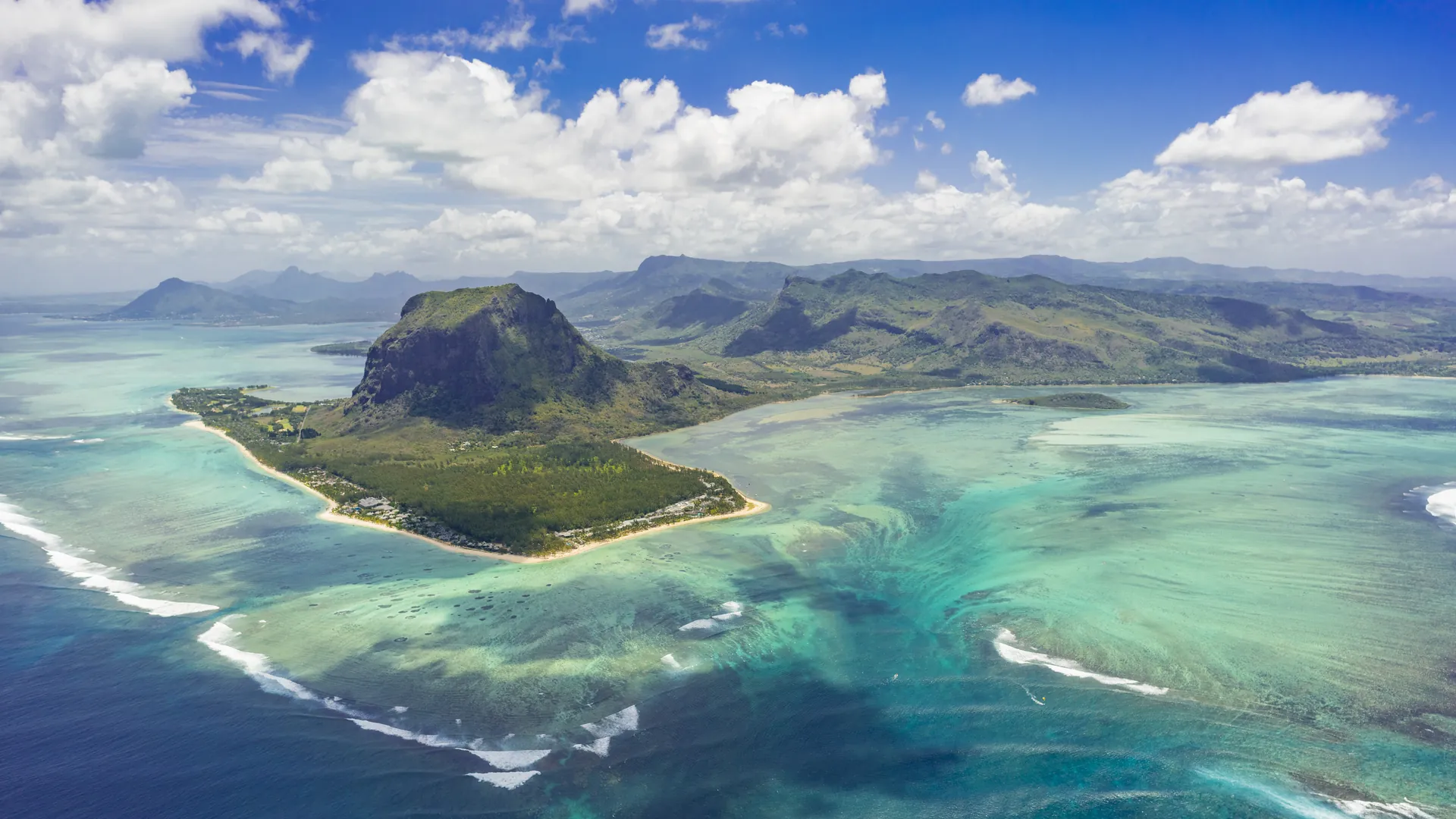
Le Morne · the underwater waterfall illusion from the airSouthwest tip · Le Morne peninsula

Le Morne · the underwater waterfall illusion from the airChristopher Brown / CC0

Le Morne & the Underwater Waterfall

It looks like a waterfall under the sea, but it’s a trick of the sand.

Getting there●●●○○Some planning: hire a car; the underwater waterfall is only visible by seaplane or helicopter.

Best timeMay–Nov

A UNESCO site of refuge for escaped slaves, and Mauritius’ most famous natural illusion.

From the air, the sea seems to pour off the edge of the island into the deep. It’s an illusion: sand and silt pushed down by the currents look like a waterfall underwater, so you can only see it from a seaplane or helicopter, not from the shore. Colours in the photo are enhanced. Beside it rises Le Morne, a World Heritage Site where escaped slaves hid in the 18th and 19th centuries, a key page in Mauritian history. On a good day you can hike up for the view.

GETTING THEREAbout 1 hour by car from the west coast or the airport. Flights are operator-run, leaving from a few helipads and airports — book ahead.
GOOD TO KNOWFlights depend on the weather, best on clear, calm days; confirm with your operator. Whether a guide is required for the upper trail depends on current rules. May to November is most comfortable.
SAFETYThe hike is steep, so bring water and good shoes. Choose licensed flight operators.
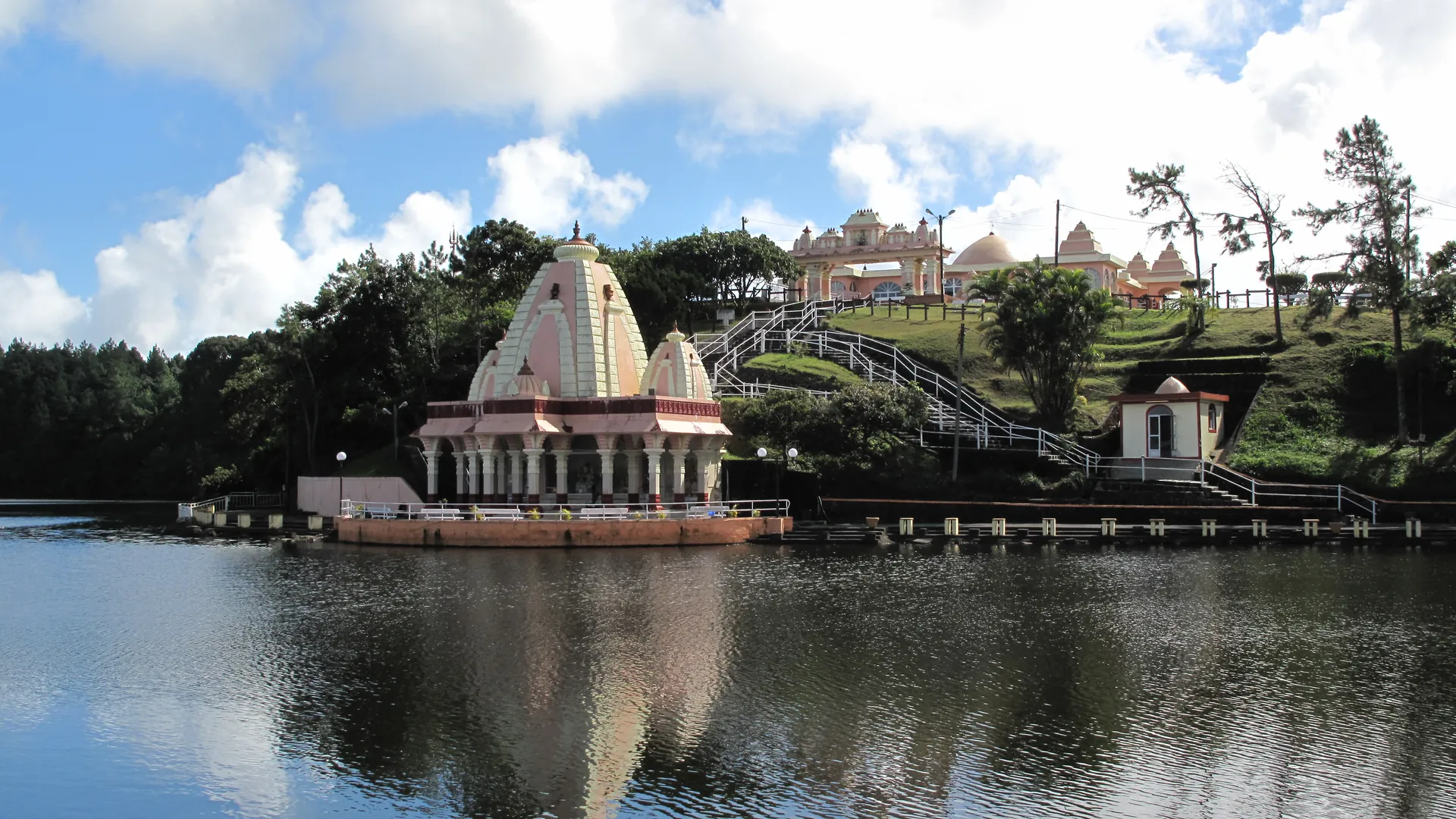
Grand Bassin · Hindu temples by the sacred lakeSavanne · southern highlands

Grand Bassin · Hindu temples by the sacred lakeCARRERE Radjiv / CC BY-SA 3.0 / cropped

Grand Bassin

A sacred crater lake, believed to be linked to the Ganges.

Getting there●●●○○Some planning: about 1 hour by private car; public transport is slow.

Best timeMay–Nov

A great Hindu pilgrimage site on African soil.

By a crater lake in the hills, small white and painted temples line the water as worshippers carry flowers and incense to the shore. Mauritians of Indian descent believe the lake is linked to the Ganges and call it Ganga Talao. Each February or March, for Maha Shivaratri (around early March in 2027), hundreds of thousands walk here from all over the island, one of Africa’s largest Hindu pilgrimages. Near the entrance stands the 30-plus-metre Shiva statue Mangal Mahadev — not in the photo, but impossible to miss in person.

GETTING THEREAbout 1 hour by private car from Port Louis or the west coast across the central highlands. Buses need changes and take time.
GOOD TO KNOWDuring Maha Shivaratri crowds are huge and some roads close. Come then for the atmosphere; otherwise weekdays are quiet. It’s cooler and sometimes misty up here.
SAFETYThis is a holy site: remove shoes at temples, dress modestly and don’t climb statues or altars. Ask before photographing worshippers.
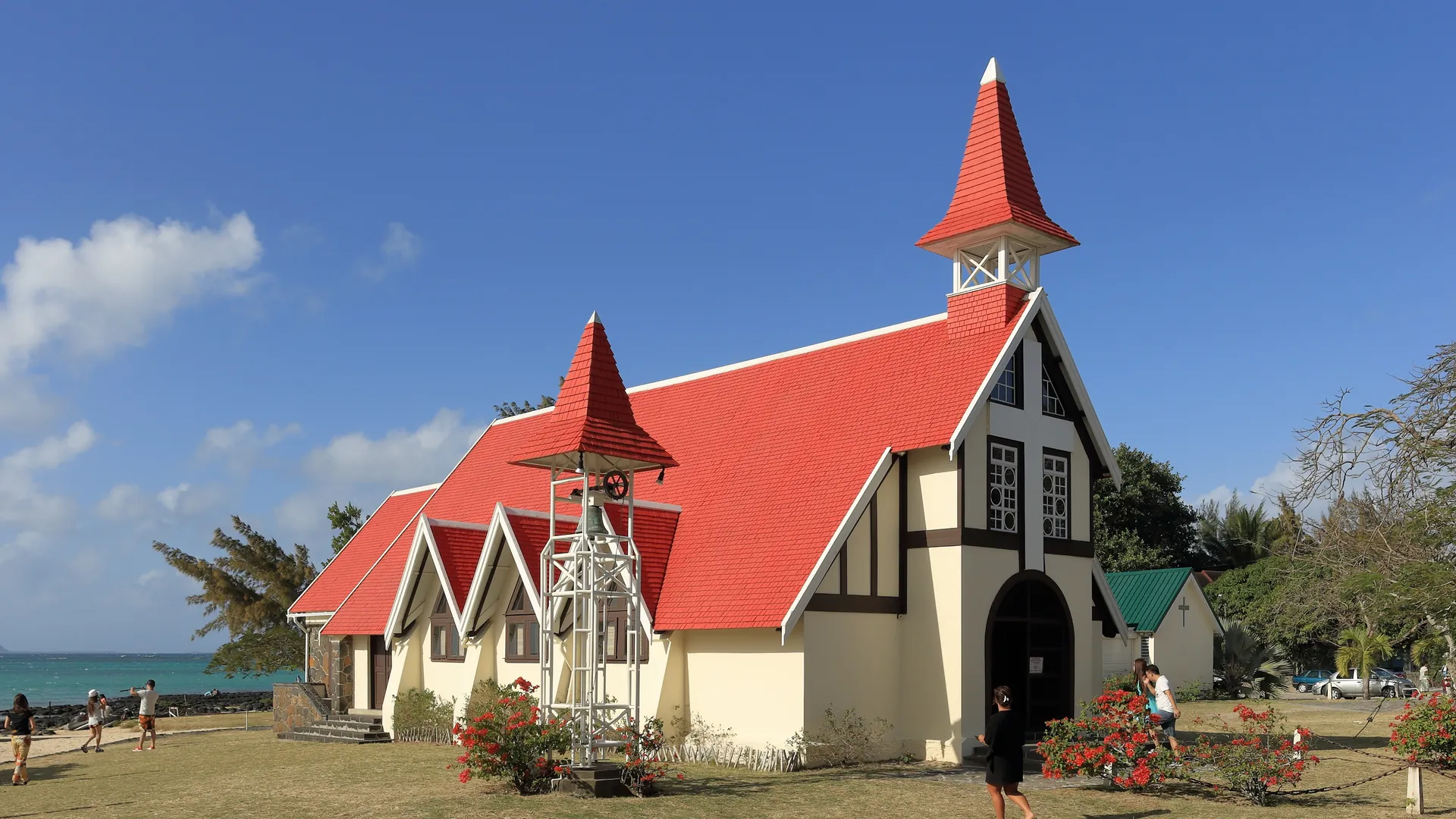
The red-roofed church at Cap MalheureuxNorthern tip · Cap Malheureux

The red-roofed church at Cap MalheureuxMartin Falbisoner / CC BY-SA 4.0 / cropped

Red Roof Church, Cap Malheureux

A little red-roofed church on a cape, with the Indian Ocean behind.

Getting there●●●○○Some planning: about 20 minutes from Grand Baie by bus or car.

Best timeMay–Nov

The little church that appears on all the postcards.

Red roof, white walls, blue sea: this seaside chapel is Notre-Dame Auxiliatrice, completed in 1938. The cape’s name, Cap Malheureux, means “Unlucky Cape”, and one story links it to 1810, when British troops landed here and took Mauritius from the French. From the church you look out over small islands scattered offshore. There’s nothing to rush for here, and Grand Baie is close by, so it suits a relaxed afternoon.

GETTING THEREAbout 20 minutes by bus or car from Grand Baie; easy from any northern hotel.
GOOD TO KNOWMay to November is most comfortable. The church is in use, so don’t disturb Mass or weddings.
SAFETYGrand Baie is a pickpocket hot spot; leave nothing in a parked car. Dress modestly and stay quiet in the church.
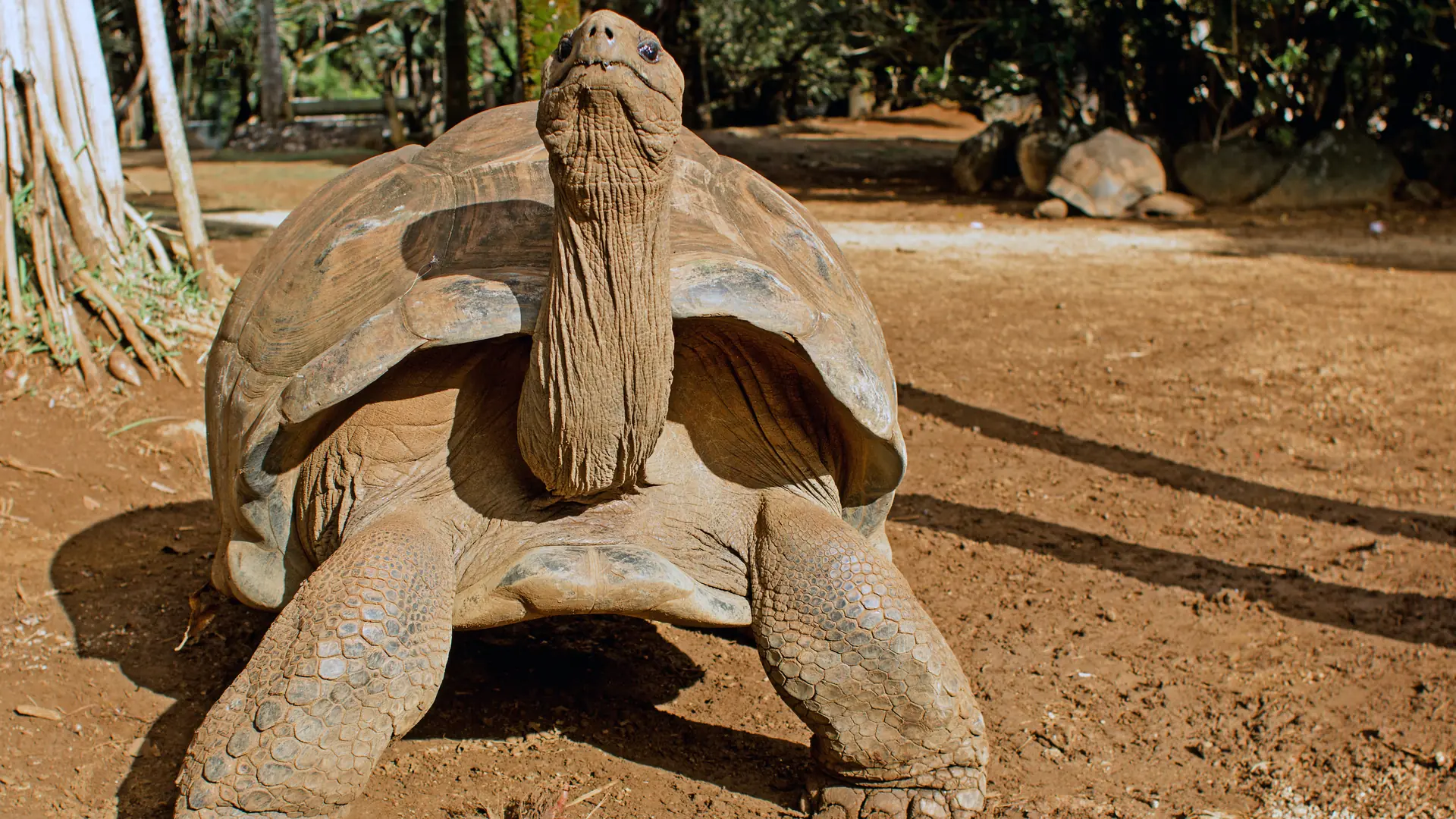
La Vanille · an Aldabra giant tortoiseSavanne · Rivière des Anguilles

La Vanille · an Aldabra giant tortoiseLukas von Daeniken / CC BY-SA 2.0 / cropped

La Vanille Nature Park

A giant tortoise stretches its neck and walks slowly towards you.

Getting there●●●○○Some planning: about 1 hour by car from Port Louis, 30 minutes from the airport.

Best timeMay–Nov

The easiest place on the island to get close to giant tortoises.

Heavy steps, a long neck: an Aldabra giant tortoise plods towards you and time in the park seems to slow with it. These tortoises come from the Aldabra atoll in the Seychelles. Mauritius’ own giant tortoises died out long ago, a story the park’s breeding work helps tell. There are bamboo groves, tropical plants and a crocodile area, an easy visit that suits grandparents and children, and it combines well with the south coast.

GETTING THEREAbout 30 minutes from the airport, 1 hour by car from Port Louis or the west coast. Public transport is poor in the south.
GOOD TO KNOWWhether you can touch or feed the animals depends on the park’s rules on the day. Mornings are cooler and the animals livelier. Bring repellent in the wet season.
SAFETYTortoises look slow, but keep fingers away from their mouths and never sit on them. Follow the route around the crocodiles.

Not sure which to pick? Take the 4-minute travel-personality quiz and find the one that suits you.

Take the quiz