TOP-TIER TRAVEL中/EN

Portugal

12 hidden gems in Portugal

Sea-cliff towns, painted palaces & Atlantic islands. We picked 12 places in this region — some well known, some few visitors find. Browse at your own pace, then take the quiz when something catches your eye.

TOP-TIER TRAVEL › All hidden gems › Portugal

Not sure which to pick? Take the 4-minute travel-personality quiz and find the one that suits you.

Take the quiz
Belém Tower, Lisbon
First time? Lisbon, Sintra and Porto are the classics

The usual first trip flies into Lisbon and out of Porto, with a day in Sintra between and, given time, the Algarve coast to the south; about ten days is right. Portugal is compact, with Lisbon to Porto about 3 hours by train. The Azores and Madeira need a separate flight and suit a second visit or a longer trip. The place below suits you best.

Spot details checked: November 2026

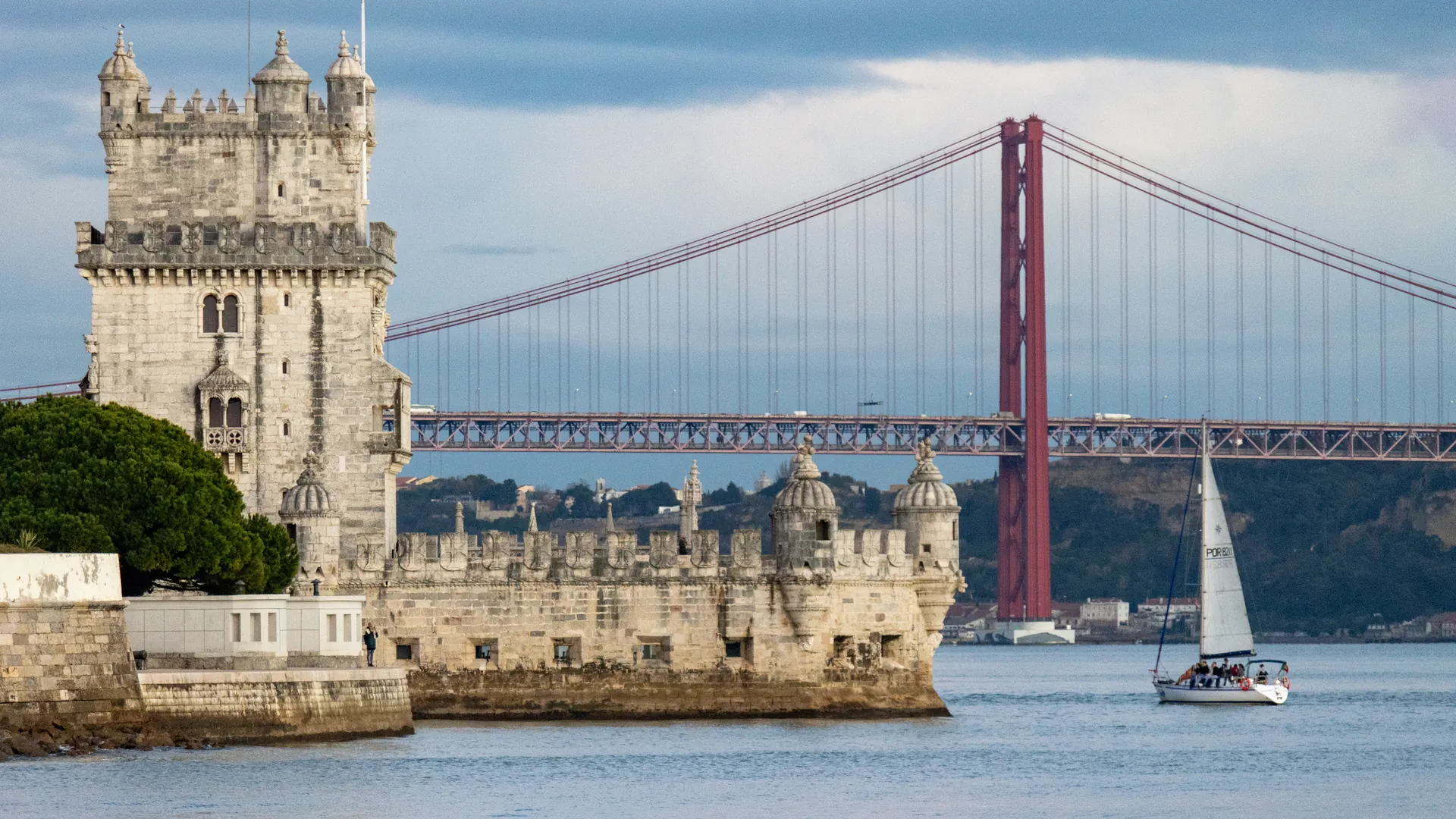
Belém Tower, with the 25 de Abril Bridge behindBelém, Lisbon

Belém Tower, with the 25 de Abril Bridge behindLisbon Photoshoots / CC BY-SA 4.0 / cropped

Belém Tower, Lisbon

Explorers sailed out of here five centuries ago; the tower still stands at the river mouth.

Getting there●○○○○Very easy on your own: 15–20 minutes from central Lisbon by train or tram.

Best timeMar–Jun, Sep–Oct

Lisbon’s front door: a white stone tower from the Age of Discovery.

Five hundred years ago, Portuguese fleets set off from this stretch of the Tagus for Africa, India and Brazil, and Belém Tower guarded the river mouth. Its walls are carved with ropes, armillary spheres and crosses, and from the bank it looks like a stone ship moored on the water. The photo was taken at dusk; the red suspension bridge behind is the 25 de Abril Bridge. A few minutes’ walk away is Jerónimos Monastery, and next to it a century-old bakery sells custard tarts that vanish straight out of the oven. Back in town, tram 28 rattles up into Alfama, past old houses with washing hung out over steep cobbled lanes.
GETTING THEREFrom Cais do Sodré take a Cascais-line train about 10 minutes to Belém, or tram 15E from the centre in 20–30 minutes; then about a 10-minute walk.
GOOD TO KNOWThe tower’s staircase is narrow and visitor numbers are limited, so expect a queue; tickets, hours and closing days are on the official site. Pair it with Jerónimos Monastery in the same morning.
SAFETYPickpockets work Belém and tram 28. Keep your bag in front and your phone out of back pockets; if the tram is packed, wait for the next one.
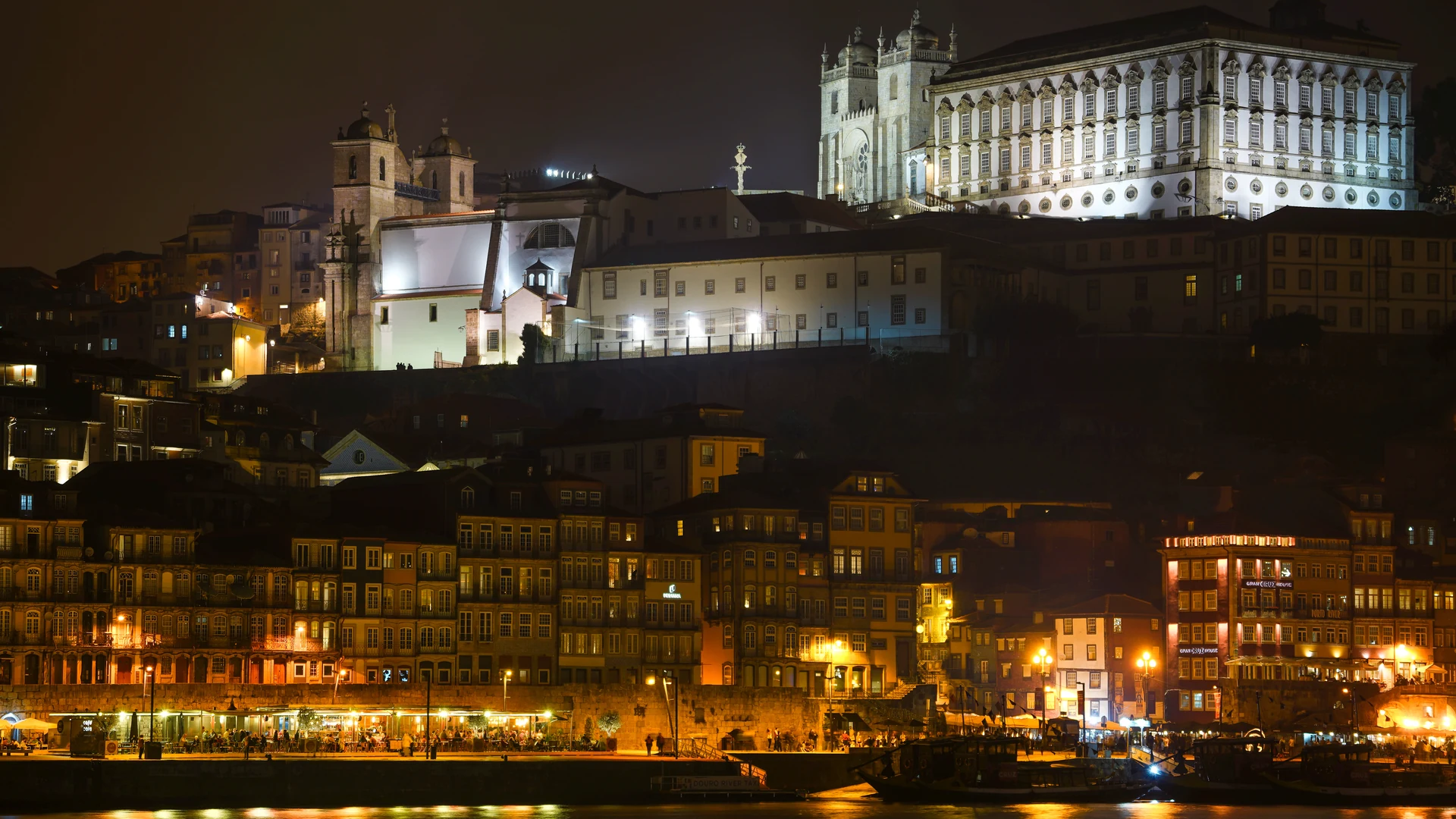
Ribeira lighting up at night, seen from across the riverPorto, northern Portugal

Ribeira lighting up at night, seen from across the riverCpintoleite / CC BY-SA 4.0 / cropped

Ribeira, Porto

After dark, a whole hillside of old houses lights up one window at a time.

Getting there●○○○○Very easy on your own: about 3 hours by train from Lisbon, and walkable once you’re there.

Best timeApr–Jun, Sep–Oct

The home of port wine, an old town built on a steep riverbank.

The photo was taken from across the Douro. After dark, Ribeira’s colourful riverside houses light up layer by layer; the twin towers on the hill are Porto Cathedral and the large building beside them is the Bishop’s Palace. By day, walk across the two-level Dom Luís I bridge to Gaia on the far bank, lined with port wine lodges, many of them open for tours and tastings. The flat-bottomed wooden boats on the river once carried barrels down from the vineyards upstream. To see where a glass of port begins, head up the river to the Douro Valley.

GETTING THEREAbout 3 hours by train from Lisbon. From São Bento station it’s a 10-minute walk downhill to the river. Metro line E links the airport to the centre in about 30 minutes.
GOOD TO KNOWThe old town is all slopes and cobbles, so wear good shoes. Most port lodge tours need booking; times are on each lodge’s website.
SAFETYWatch for pickpockets along the river and around stations, and after a few glasses avoid empty back lanes on the walk home.
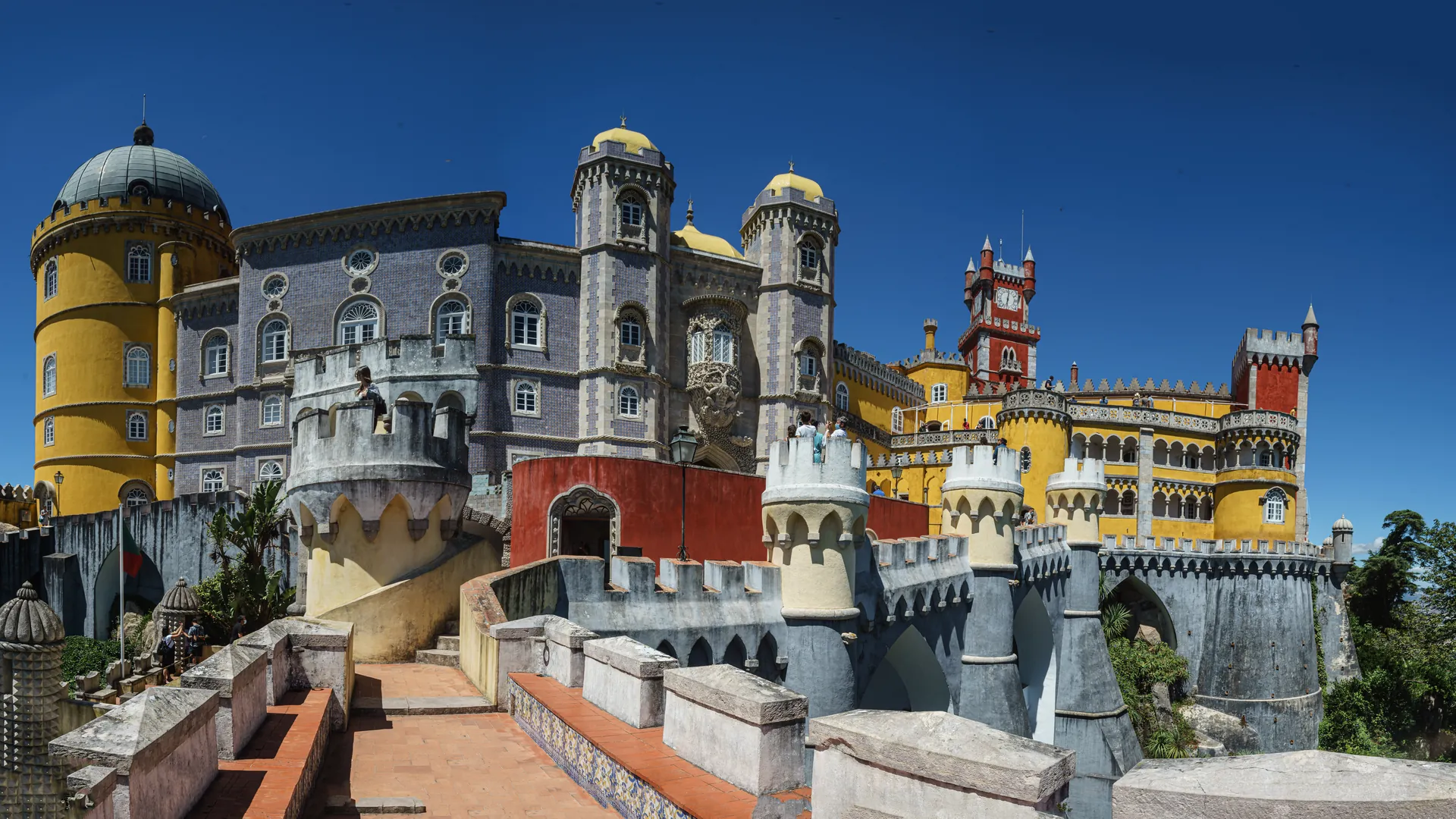
Pena Palace on the hilltop above SintraSintra, near Lisbon

Pena Palace on the hilltop above SintraPedro J Pacheco / CC BY-SA 4.0 / cropped

Pena Palace, Sintra

Yellow towers and red walls, like a palace lifted out of a fairy-tale book.

Getting there●●○○○Easy on your own: about 40 minutes by train from Lisbon to Sintra, then a bus up the hill.

Best timeApr–Jun, Sep–Oct

Portugal’s most photogenic palace, a Romantic king’s dream castle.

In the 19th century a king with a taste for Romanticism built this summer palace over an old monastery on the top of the Sintra hills, mixing every style he liked: a yellow clock tower, red walls, Moorish arches and Gothic spires, all crowded onto one peak. The bright colours you see today were repainted during recent restoration. Inside, the rooms the last royal family lived in are kept as they were, visited by timed slot. On a clear day the walls look all the way out to the Atlantic. With time left, Cabo da Roca nearby is the westernmost point of mainland Europe.

GETTING THEREFrom Lisbon’s Rossio station take the train about 40 minutes to Sintra, then bus 434 up the hill. From the park gate to the palace is another 30 minutes uphill on foot, or take the park shuttle.
GOOD TO KNOWPalace entry is strictly at the time on your ticket; arrive late and you won’t get in. Peak-season slots sell out days ahead, so buy on the official site. The park suggests the gardens in the morning and the palace in the afternoon, when it’s quieter.
SAFETYThe hill roads are narrow and twisty and badly jammed on busy days, so don’t drive up yourself. When fog rolls in it gets damp and cold; bring a jacket.
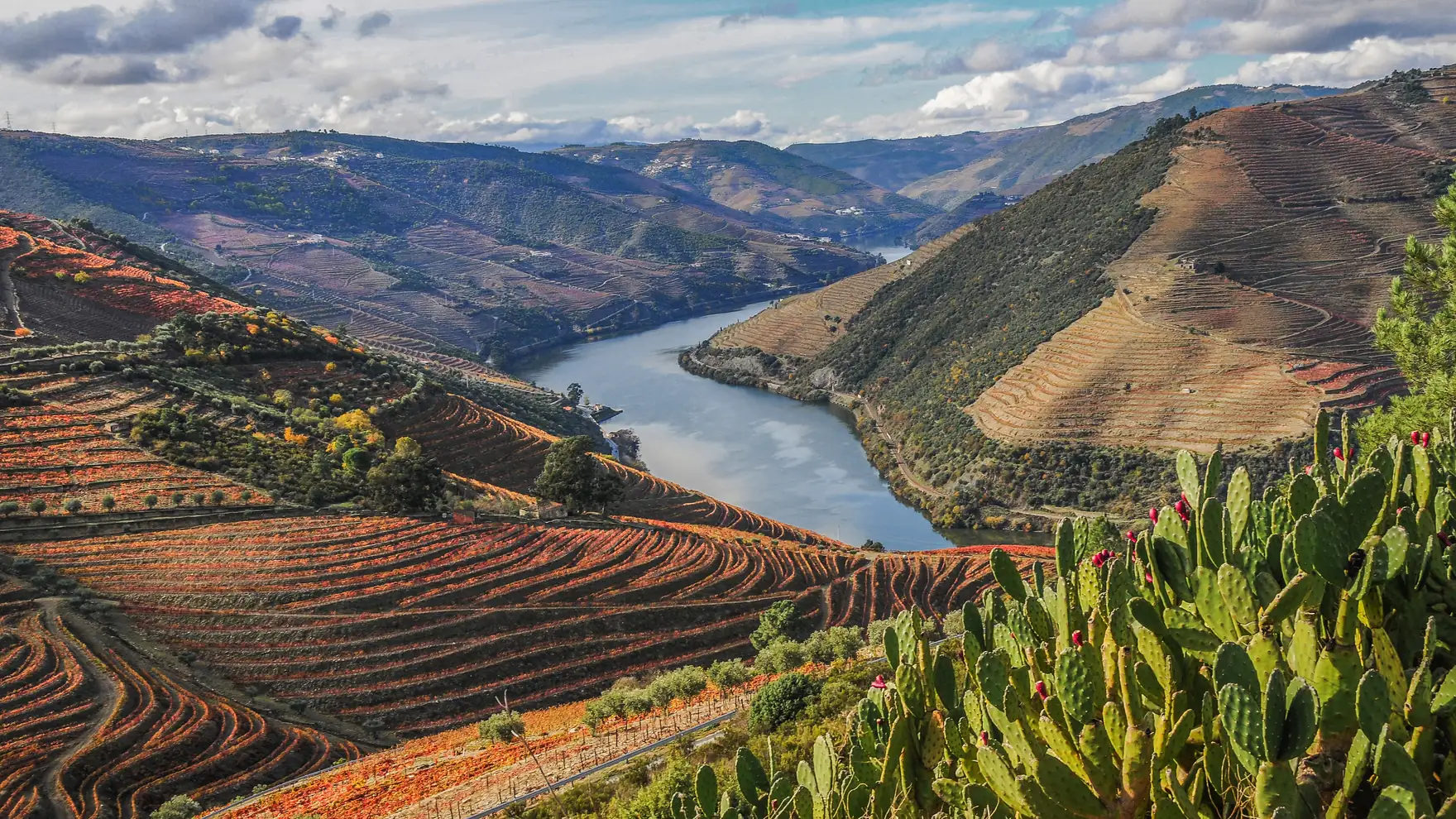
Douro Valley vineyard terraces turning red in autumnUpper Douro, northern Portugal

Douro Valley vineyard terraces turning red in autumnJoseolgon / CC BY-SA 3.0 / cropped

Douro Valley

Where a glass of port begins: whole hillsides cut into terraces of vines.

Getting there●●●○○Doable on your own, but slow: just over 2 hours by train from Porto to Pinhão, and the quintas along the river mostly need a car or driver.

Best timeMay–Oct

The home of port wine and a UNESCO World Heritage wine region.

That glass of port in Porto starts here. The slopes on both banks of the Douro have been built up, terrace by stone terrace, and planted with vines, so the whole mountain looks like a contour map. The photo was taken in November, when the leaves turn red and gold. This is one of the world’s oldest demarcated wine regions and a UNESCO World Heritage Site. Take the riverside train up from Porto and get off at Pinhão, whose station walls are covered in blue-and-white tile pictures; many quintas nearby offer tastings and tours, and some have rooms. Harvest is roughly September to October, and varies by estate.

GETTING THEREFrom Porto’s São Bento station the Douro line takes just over 2 hours to Pinhão. The quintas are spread out, so most visits need a car, driver or day tour. River cruises also run up and down from Porto.
GOOD TO KNOWMost tours and tastings need booking; times are on each quinta’s website. If you want to join the harvest, ask the estate first. Don’t drive after tasting; book a driver or tour instead.
SAFETYValley roads are narrow and winding, so drive slowly. Summer middays are hot; drink water and use sun protection.
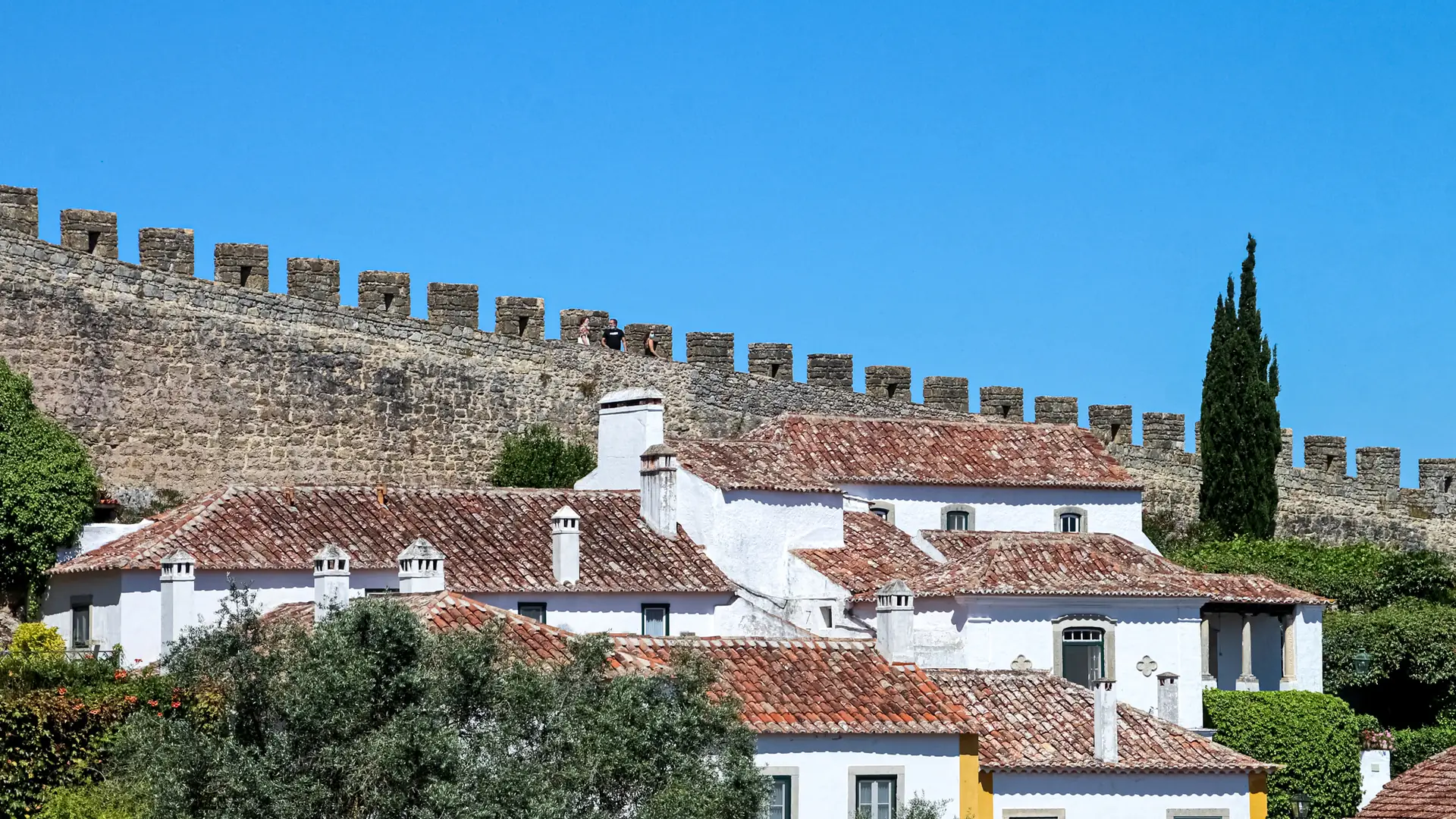
Óbidos, a white town below its wallsLeiria District, central Portugal

Óbidos, a white town below its wallsVitor Oliveira / CC BY-SA 2.0 / cropped

Óbidos

White walls trimmed in blue and yellow, the whole town held inside its walls.

Getting there●●○○○Easy on your own: about an hour by bus from Lisbon.

Best timeApr–Jun, Sep–Oct

A walled white town once given by Portuguese kings to their queens as a wedding gift.

Óbidos sits entirely inside a ring of medieval walls, and the story goes that Portuguese kings gave it to their queens as a wedding present. Inside are white houses with window frames and skirting painted blue or yellow, bougainvillea climbing over them in summer, and a cobbled main street rising gently up the hill. You can climb onto the walls and walk the circuit, looking down over the white rooftops. Try the local cherry liqueur, ginjinha, served in a bite-size chocolate cup that you eat afterwards. The castle at the top is now a historic hotel rather than a monument open to visitors.

GETTING THEREFrom Lisbon’s Campo Grande the express bus takes about an hour and stops outside the gate. Trains run too, but they’re infrequent and need a change, so the bus is easier.
GOOD TO KNOWThe wall-top path is narrow and mostly has no railing, so take care if you’re nervous of heights or have children with you. At Christmas the whole town becomes a ticketed Christmas village with a completely different feel.
SAFETYWith no railings on the walls, don’t walk and scroll, and the stones get slippery after rain. Hold children’s hands.
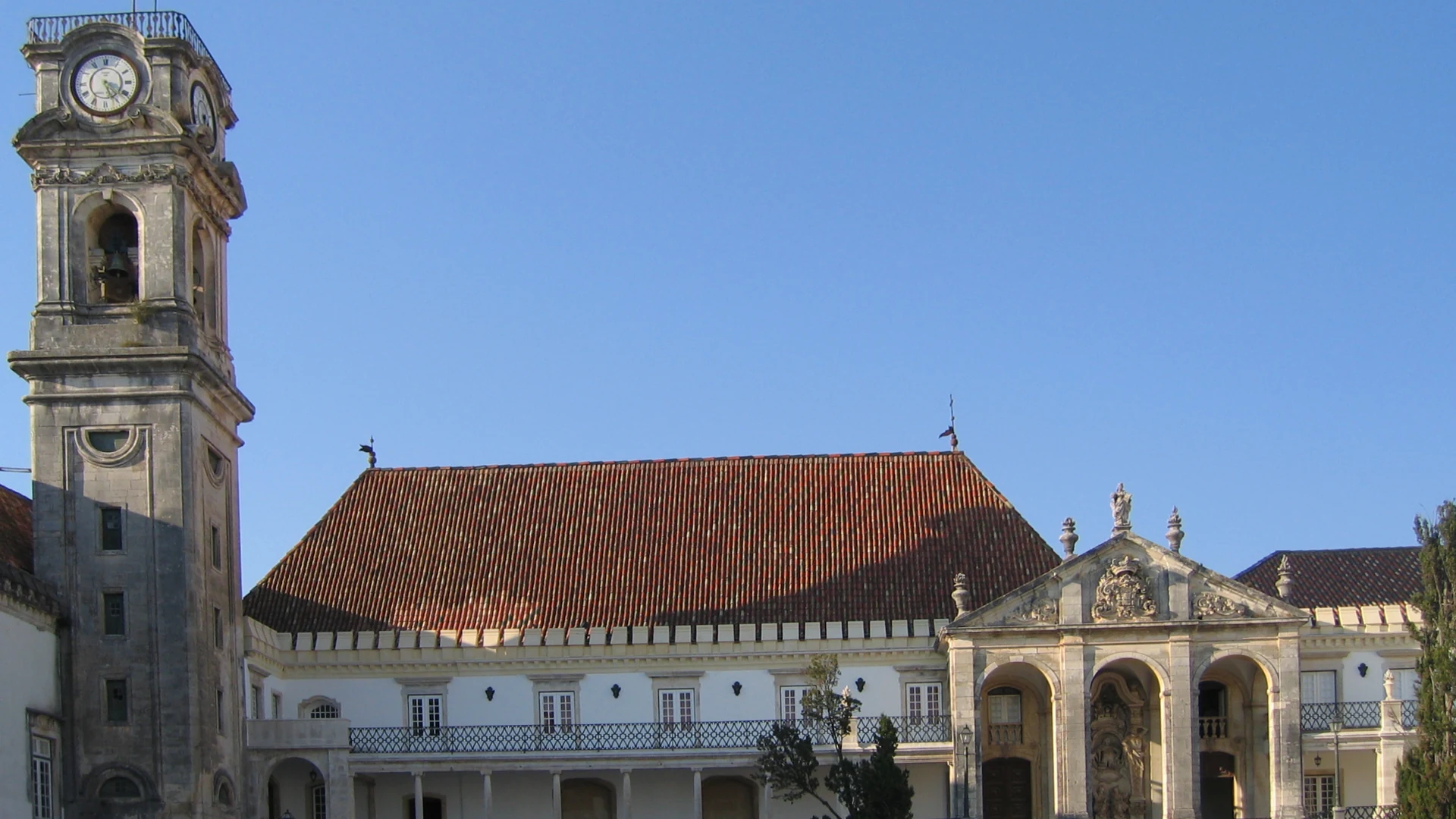
The clock tower of the University of CoimbraCoimbra, central Portugal

The clock tower of the University of CoimbraElapsed at English Wikipedia / Public domain / cropped

University of Coimbra

Students in black capes cross a university square that’s been here for 700 years.

Getting there●●○○○Easy on your own: about 2 hours by train from Lisbon; the university is on the hilltop, so it’s an uphill walk.

Best timeMar–Jun, Sep–Nov

Portugal’s oldest university, where students still wear black capes to class.

The University of Coimbra is Portugal’s oldest, built on the highest hill in town, and the clock tower in the photo stands on its main square. Students still wear the traditional black cape, and at graduation time the streets are full of them. The highlight is the Joanina Library, with gilded red-and-gold wooden shelves from floor to ceiling, visited by timed slot and with no photos allowed inside. In the evening, catch a Coimbra fado performance; unlike Lisbon’s, it’s traditionally sung by male students in capes.

GETTING THEREFrom Lisbon the train takes about 2 hours to Coimbra-B, where you change for Coimbra station in the centre. It’s a climb from the old town to the university, or take a city bus.
GOOD TO KNOWThe Joanina Library runs on timed tickets with limited numbers, so buy early in high season; photography isn’t allowed inside. The university is still in session, so keep your voice down.
SAFETYThe old town’s cobbled slopes are steep and slippery, especially in the rain; take main streets walking back at night.
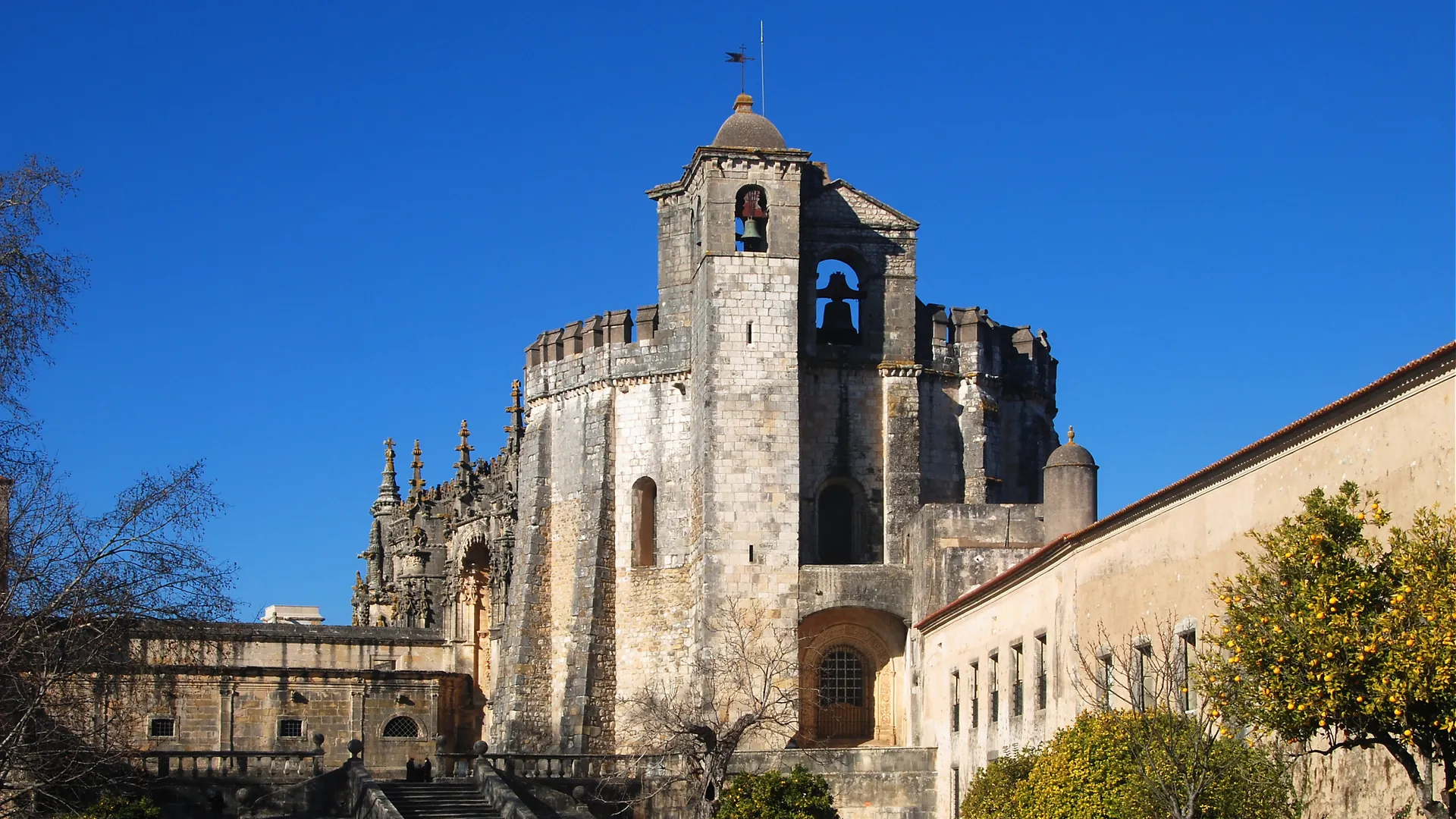
Convent of Christ and its round church, TomarSantarém District, central Portugal

Convent of Christ and its round church, TomarAlvesgaspar / CC BY-SA 3.0 / cropped

Convent of Christ, Tomar

The Templars’ round church, whose red cross later went to sea on the sails of the Age of Discovery.

Getting there●●●○○Doable on your own and less visited: about 2 hours by train from Lisbon, then a 20-minute walk uphill.

Best timeMar–Jun, Sep–Nov

The Templars’ castle-convent in Portugal, a UNESCO World Heritage Site.

In the 12th century the Knights Templar built a castle and a round church on the hilltop at Tomar. When the order was dissolved, in Portugal it became the Order of Christ, and the red cross on the sails of the Age of Discovery was its emblem. The convent grew outward generation by generation, from the medieval round church and Gothic cloisters to a Manueline window carved with ropes, coral and seaweed, like a textbook of architecture. Inside, the round church is covered in gilded paintwork you only see once you step in. It’s a UNESCO World Heritage Site, with far fewer visitors than Sintra.

GETTING THEREFrom Lisbon’s Santa Apolónia or Oriente station the train takes about 2 hours to Tomar; from the station it’s about 20 minutes on foot through town and up the hill.
GOOD TO KNOWTickets and hours are on the official site. The convent is large; allow at least two to three hours. The walk up is long, so avoid midday in summer.
SAFETYThere are many stairs and uneven stone floors inside; wear good shoes and take it slowly with older travellers.
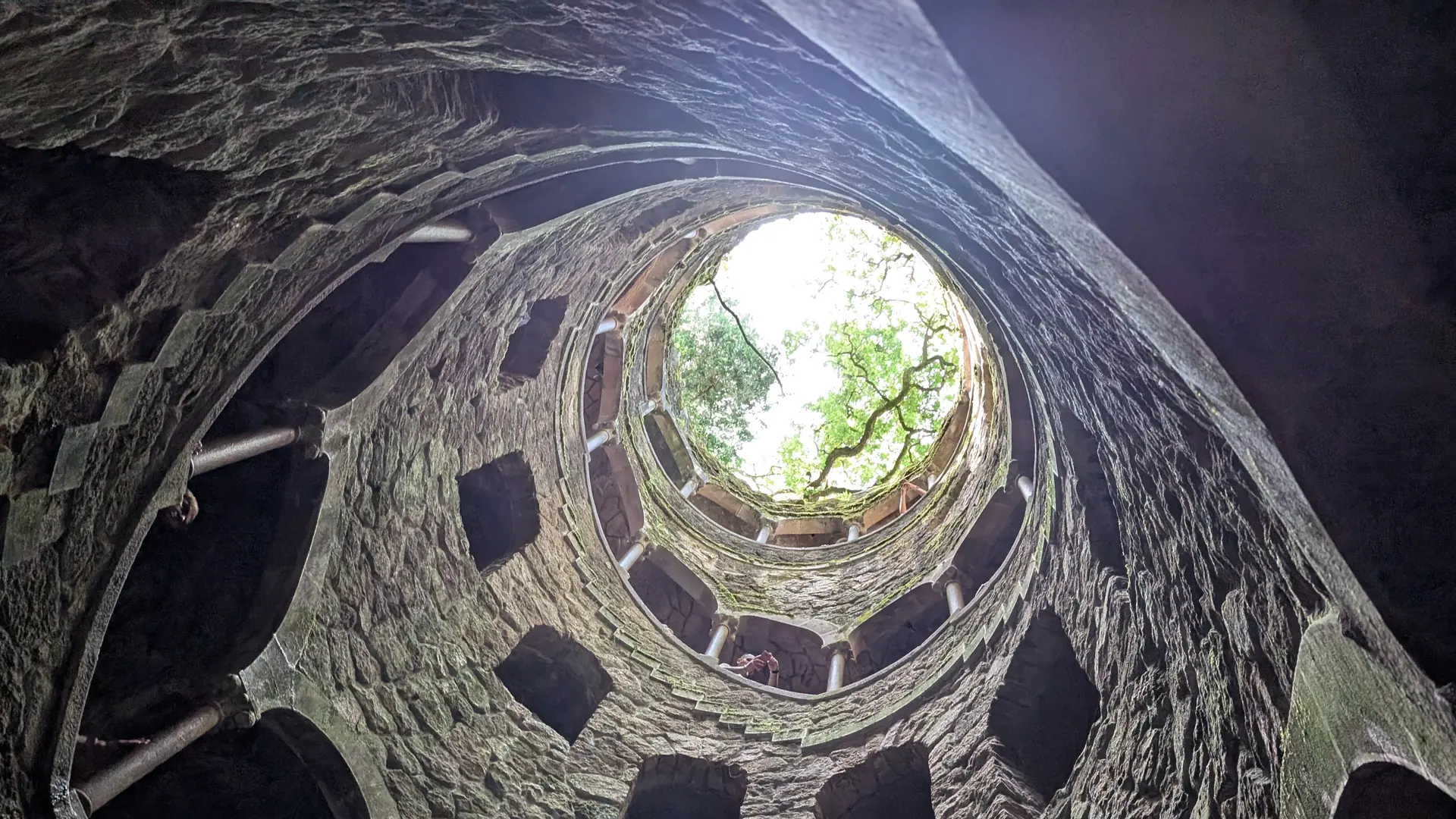
Looking up from the bottom of the Initiation WellSintra, near Lisbon

Looking up from the bottom of the Initiation WellPhilip Mallis / CC BY-SA 4.0 / cropped

Initiation Well, Quinta da Regaleira

Look up from the bottom: stone steps spiral round and round to a ring of green light.

Getting there●●○○○Easy on your own: about 40 minutes by train from Lisbon to Sintra, then 10 minutes on foot from the old town.

Best timeApr–Jun, Sep–Oct

A well that was never meant for water: a spiral staircase leading down into the earth.

This well was never for drawing water. In the early 20th century a wealthy merchant had an Italian architect build Quinta da Regaleira on the Sintra hillside, its gardens hiding grottoes, tunnels, ponds and towers. The most famous is this upside-down tower: nine levels of spiral steps winding down the shaft deep into the ground. The photo looks up from the bottom. Once you reach it, you don’t climb back up; you leave through underground tunnels that come out by a waterfall and lake in the garden. The small palace and chapel are open too.

GETTING THEREFrom Lisbon’s Rossio station take the train about 40 minutes to Sintra; the estate entrance is about 10 minutes’ walk from the old town.
GOOD TO KNOWEntry is by timed ticket, so book ahead in high season. Even with a ticket there’s a separate queue to go down the well; early morning or late afternoon is quieter. The tunnels are one-way and dark, so a phone torch helps. Some paths occasionally close for works; check the notices on site.
SAFETYThe steps in the well are narrow and damp, and slippery after rain, so keep a hand on the wall. The tunnels are dark; hold children’s hands.
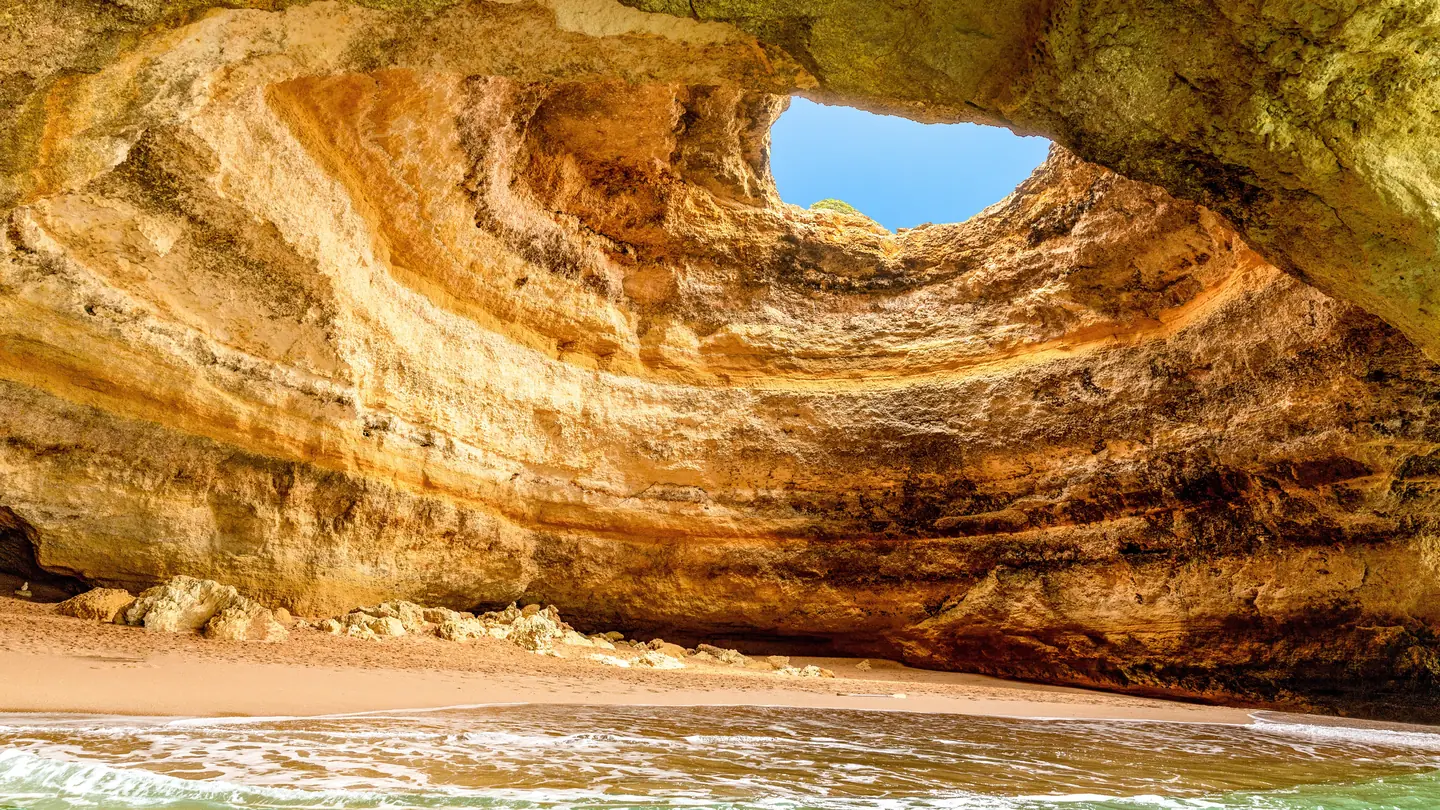
The skylight of Benagil Cave, seen from the waterLagoa, Algarve, southern Portugal

The skylight of Benagil Cave, seen from the waterImage by Mark from Pixabay / cropped

Benagil Cave

As the boat slips into the cave, a hole in the roof pours sunlight onto the sand.

Getting there●●●○○Doable on your own, by boat: about 3 hours by car or bus from Lisbon to the Algarve, then a boat tour.

Best timeMay–Sep

The most famous sea cave on the Algarve’s golden coast, with a round skylight in its roof.

The Algarve coast is a long line of golden limestone cliffs carved by the sea into arches and caves, and Benagil is the best known: a round skylight has opened in its roof, letting sunlight fall onto the small beach inside. You can now only go in by licensed boat or on a guided kayak or paddleboard tour; swimming in and landing on the cave beach are both banned. The clifftop trail also lets you look down through the skylight from above. A little further west, Ponta da Piedade in Lagos has more strange sea stacks and fits into the same trip.

GETTING THEREAbout 3 hours by car or bus from Lisbon to the Algarve. Boat tours leave from Benagil beach, Carvoeiro, Portimão and elsewhere, and most need booking.
GOOD TO KNOWSince August 2024 you can only enter by licensed boat or with a guided kayak or paddleboard group; swimming into the cave, landing on its beach and renting a kayak on your own to go in are all banned. Tours are cancelled in rough seas, and boats stay inside only briefly.
SAFETYThe clifftop trail has no railings and the edges are crumbly, so keep well back. Summer sun is strong; bring water and sunscreen.
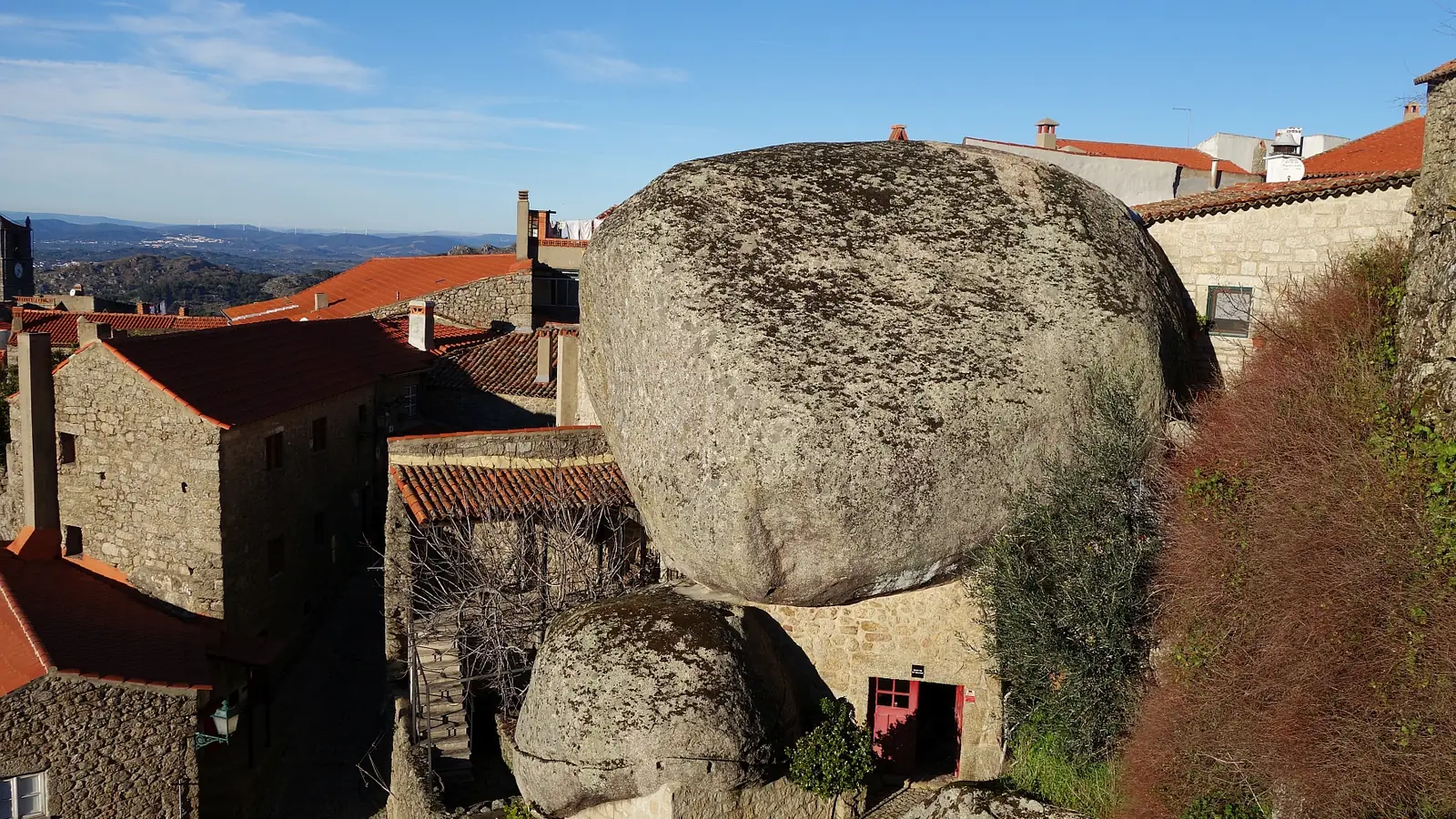
Monsanto, with a boulder resting on a houseCastelo Branco District, central Portugal

Monsanto, with a boulder resting on a houseBosc d'Anjou / CC BY 2.0 / cropped

Monsanto

Some houses have just one roof, and that roof is a single giant boulder.

Getting there●●●●○Hard to reach; a car is best: about an hour’s drive from Castelo Branco, the nearest city, with very few buses.

Best timeMar–Jun, Sep–Nov

A hill village built under giant boulders, almost unknown to Taiwanese travellers.

Monsanto sits on a hillside covered in granite boulders, and rather than moving them, the villagers built their houses beside them, beneath them, even using a whole boulder as a roof. The boulder pressing down on a house in the photo is the village’s most photographed sight. Follow the steep cobbled lanes up and you reach a medieval castle ruin at the top, looking out over the plain. There aren’t many visitors, and after dusk the village is so quiet you hear only the wind, so it’s worth staying a night for sunrise.

GETTING THERENo trains reach the village. It’s about 3 hours’ drive from Lisbon; by public transport, take a train or bus to Castelo Branco, then a very infrequent local bus. A car or driver is best.
GOOD TO KNOWThe village is all steep slopes and cobbles; wear good shoes. Restaurants and shops are few, and some close in winter or on weekdays, so check before you go.
SAFETYThe castle ruin walls at the top have no railings and the wind is strong, so don’t climb on them for photos. Mountain roads have no lights after dark; drive carefully.
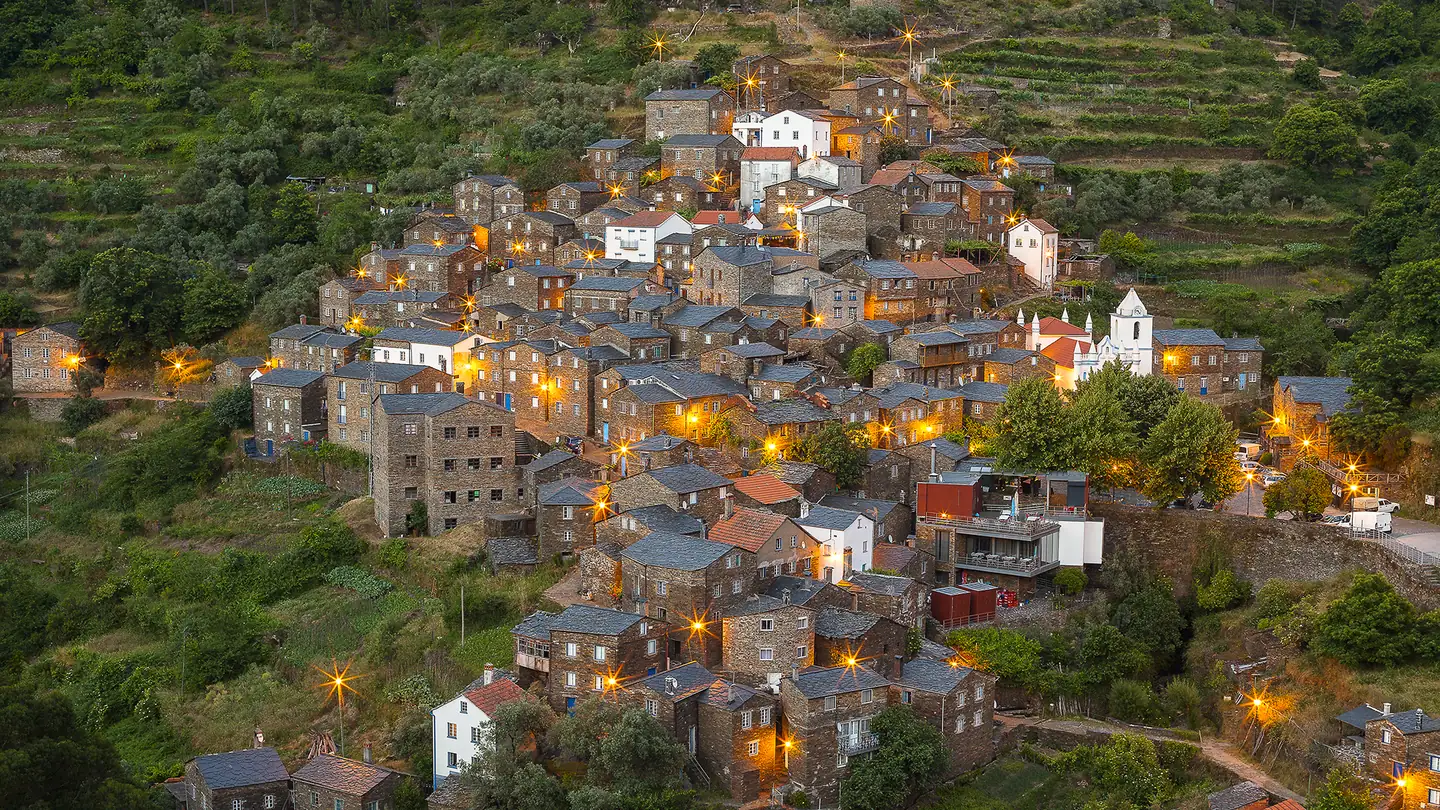
Piódão after darkArganil, Coimbra District, central Portugal

Piódão after darkVeloso Patacas / CC BY-SA 4.0 / cropped

Piódão

After dark, the stone village looks like a nativity scene set into the valley.

Getting there●●●●○Very hard to reach; a car is best: about 2 hours’ drive from Coimbra, the last stretch on winding mountain roads.

Best timeApr–Jun, Sep–Nov

A schist village hidden deep in the hills, which the Portuguese call a living nativity scene.

Piódão is tucked deep in the mountains of central Portugal, its houses built from dark grey schist slabs stacked layer by layer up the slope. The story goes that the village shop once sold only blue paint, so every door and window was painted blue, which looks lovely against the grey stone. A small white church sits at the bottom of the valley. As the lights come on at night, many Portuguese say it looks like a nativity scene laid out in the valley.

GETTING THERENo trains or direct buses, and public transport is very difficult, so drive or hire a driver: about 2 hours from Coimbra, the last part on narrow, twisting mountain roads.
GOOD TO KNOWThere are only a few restaurants and guesthouses, so book ahead on busy weekends. Mountain weather changes fast and roads can ice in winter; check the forecast and road conditions first.
SAFETYThe mountain roads are narrow and winding, some without barriers. Drive slowly, arrive before dark, and prepare if you get carsick.
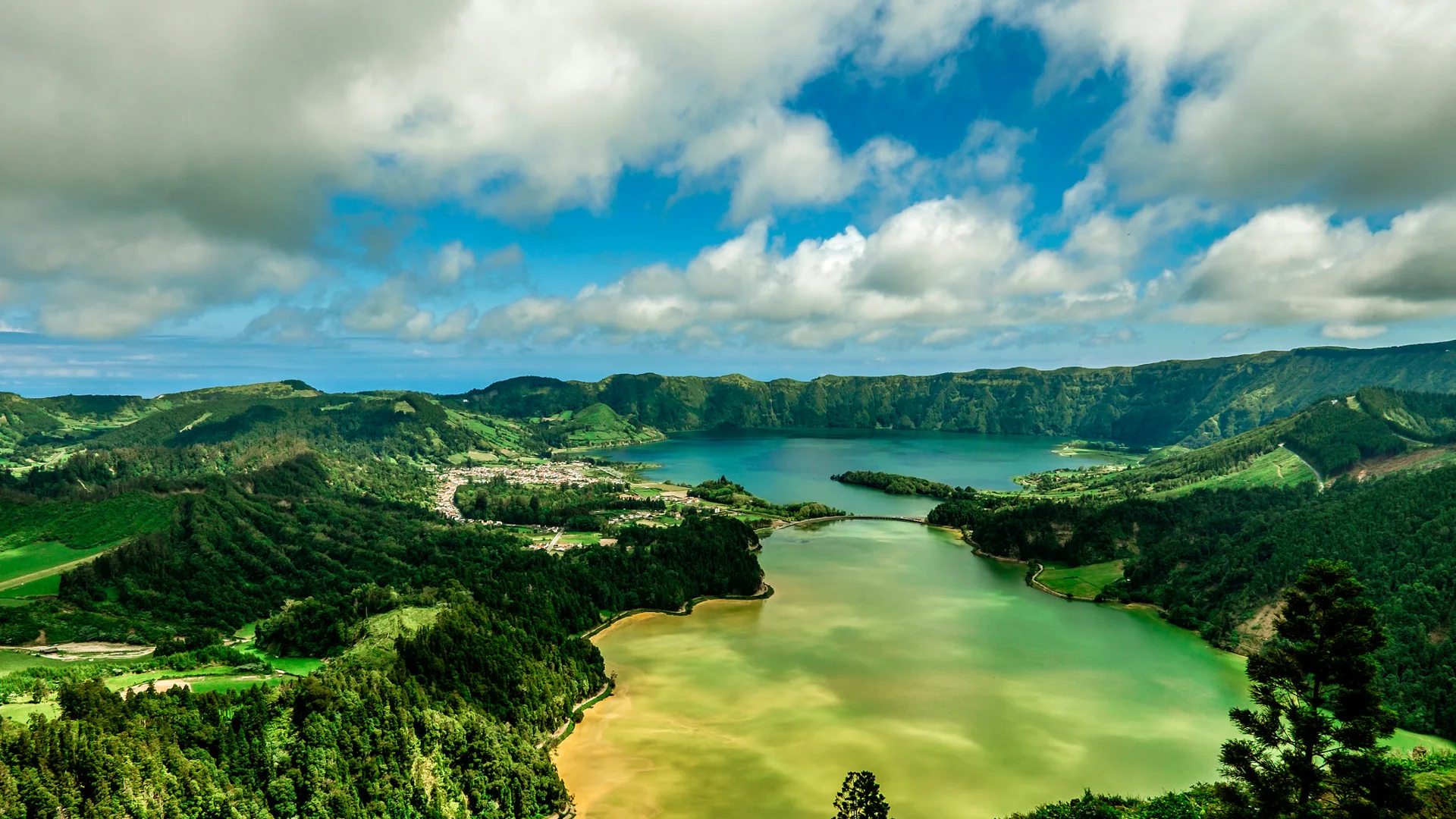
Sete Cidades, the twin-coloured crater lakesSão Miguel, Azores

Sete Cidades, the twin-coloured crater lakesLuís Ascenso / CC BY 3.0 / cropped

Sete Cidades, Azores

Two lakes of different colours lie in a crater, separated only by a little bridge.

Getting there●●●○○Doable on your own, with an extra flight: just over 2 hours from Lisbon to São Miguel, and a car is best on the island.

Best timeMay–Sep

A volcanic island in the middle of the Atlantic, with two lakes of different colours in its crater.

The Azores sit in the middle of the Atlantic, more than two hours’ flight from mainland Portugal. Sete Cidades lies in a huge volcanic crater, split in two by a small bridge, one side bluer and one greener, the colours shifting with the weather and light. Local legend says a princess and a shepherd who couldn’t be together cried tears of blue and green that became the lakes. There’s a small village inside the crater too. In summer the island is covered in hydrangeas, you can go whale watching, and there are tea plantations, rare in Europe. Furnas on the same island has volcanic hot springs, so give it two or three days.

GETTING THEREFly from Lisbon or Porto to Ponta Delgada in just over 2 hours. Public transport on the island is limited, so rent a car; the Sete Cidades viewpoints are 30–40 minutes’ drive from Ponta Delgada.
GOOD TO KNOWThe crater often fills with fog, so you may not see the lakes on a given day; keep your plans flexible and check the viewpoint webcams before you go. Whale-watching depends on the operators.
SAFETYViewpoints and trails have no railings at the edge, and visibility drops in fog. Mountain roads are twisty; drive slowly.

Winter ski areas & events

Coming in winter? The region also has these. Full details (lessons, lodging, transport) are in the winter corner of your quiz results.

Ski areas

  • Serra da Estrela: Portugal’s only ski area, right next to the highest point on the mainland

Winter events

  • A Christmas village day in Óbidos: A whole walled town turns into a Christmas village for the winter.
  • A New Year’s Eve fireworks day in Madeira: At midnight the whole bay bursts into light, and the cruise ships in port sound their horns.
  • A Christmas and New Year day in Lisbon: A sparkling Christmas tree rises from wave-patterned paving.
  • A Christmas market day in Porto: A tall Christmas tree rises on the avenue in front of City Hall.
  • A masked carnival day in Podence: Masked figures covered in fringes come running out of the lanes, shaking cowbells.
  • A volcanic hot spring day in Furnas: Under this steaming ground, your lunch is slowly cooking.
  • A big-wave day in Nazaré: Below the lighthouse, the waves rise like a moving wall.

Not sure which to pick? Take the 4-minute travel-personality quiz and find the one that suits you.

Take the quiz