TOP-TIER TRAVEL中/EN

Korea · Seoul & Incheon

10 hidden gems in Seoul & Incheon

Alleys & palaces. We picked 10 places in this region — some well known, some few visitors find. Browse at your own pace, then take the quiz when something catches your eye.

TOP-TIER TRAVEL › All hidden gems › Korea › Seoul & Incheon

Not sure which to pick? Take the 4-minute travel-personality quiz and find the one that suits you.

Take the quiz
Seoul at night with N Seoul Tower
First time? Start with the classics

You can't go wrong doing a first lap of Gyeongbokgung, Bukchon, Myeongdong, Gwangjang Market and N Seoul Tower. Seoul is easy by subway, while Incheon and Ganghwa Island are another hour or two away, so save one day for the place below that's truly yours.

Looking for a place to stay in this area? Start here:

Spot details checked: October 2026

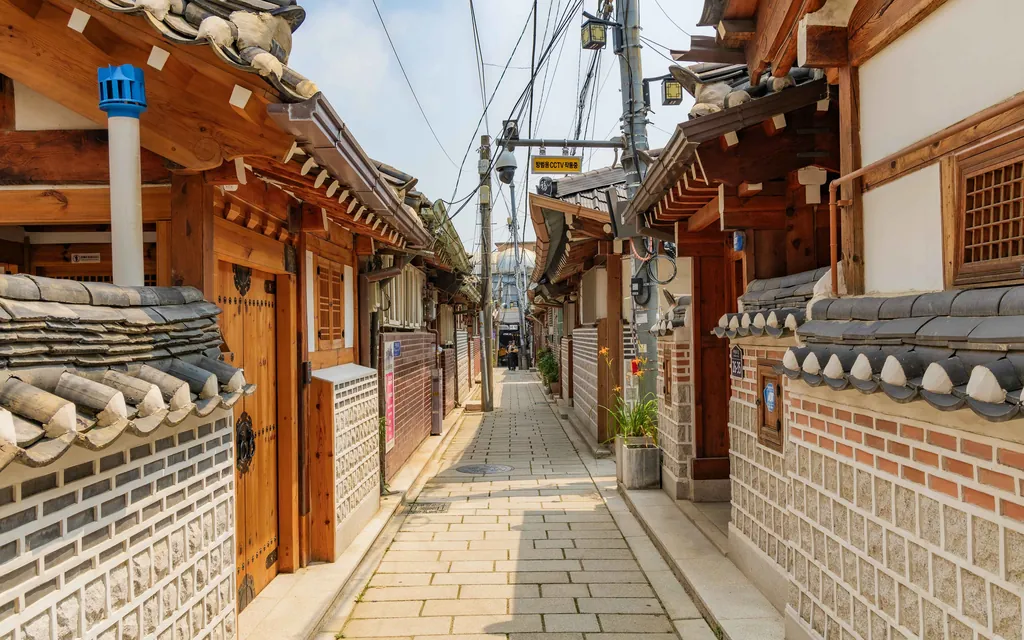
An old hanok lane in Ikseon-dongJongno-gu, Seoul

An old hanok lane in Ikseon-dong

Ikseon-dong Hanok Alleys

A maze beneath tiled roofs, and you won't want to find the exit.

Getting there●○○○○Very easy on your own: 3–5 minutes' walk from Jongno 3-ga Station on the Seoul subway.

Best timeGood all year

In central Seoul, slip into lanes of old hanok turned into little shops.

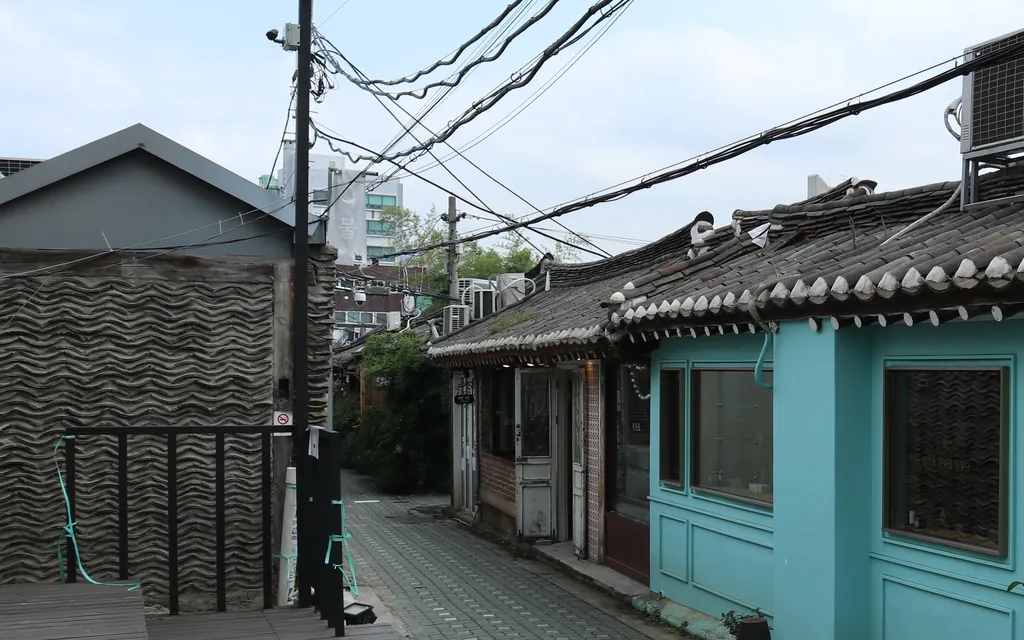
The lanes are barely wide enough for two to walk side by side; overhead, black tiled roofs one after another, the smell of coffee drifting out between wooden beams, and every corner opens onto another little alley. Ikseon-dong is a small urban hanok village a developer built in central Seoul in the 1920s, small houses on narrow lanes, one of the city's earliest hanok residential areas. Over the past decade the old houses have become cafés, restaurants and shops, but they've kept their tiled roofs and wooden beams, so walking through feels like a maze. After dark, the old streets around Jongno 3-ga nearby come alive as the lights come on. A century-old little maze hidden in the busiest heart of Seoul: getting lost once is just right.
GETTING THERETake Seoul Subway Line 1, 3 or 5 to Jongno 3-ga Station, then walk about 3–5 minutes.
GOOD TO KNOWMornings are when the lanes are quietest and best for empty shots; weekend afternoons get crowded. The alleys are narrow and some hanok are still homes, so don't open doors.
SAFETYThe lanes are narrow with uneven paving — watch your step while taking photos.
A hanok alley around Nuha-dongJongno-gu, Seoul

A hanok alley around Nuha-dong

Nusang-dong Alleys, Seochon

West of the palace, the old lanes Seoul keeps for itself.

Getting there●○○○○Very easy on your own: 5–10 minutes' walk from Gyeongbokgung Station on the Seoul subway.

Best timeGood all year

After Gyeongbokgung, walk west into the old lanes.

Inwangsan rises at the end of the lane, hanok eaves follow one after another, a small bookstore's door stands half open, and now and then a resident's door opens and closes; time moves a little slower here than in Bukchon. Seochon is the old neighborhood west of Gyeongbokgung at the foot of Inwangsan. In the Joseon era, palace officials and the middle class lived here, and many hanok and narrow lanes remain, with residents still living in them. The lanes hold small bookstores, galleries and cafés, and it's a bit quieter than Bukchon. At lunchtime, head into nearby Tongin Market, where locals shop: exchange cash for market tokens and pick side dishes from different stalls to build a lunchbox that's yours alone. The photo shows hanok lanes around Nusang-dong. To see how Seoul really lives, come and wander Seochon slowly.

GETTING THERETake Seoul Subway Line 3 to Gyeongbokgung Station, then walk west from Exit 2 for about 5–10 minutes.
GOOD TO KNOWWeekday daytime is the nicest for wandering and snacking — Tongin Market stalls mostly close before evening, and some shut on Mondays. It's residential, so keep your voice down and don't photograph into homes.
SAFETYCars come and go in the lanes — watch for traffic while taking photos.
An old street in Incheon's Open Port areaJung-gu, Incheon

An old street in Incheon's Open Port area

Incheon Open Port Area

One port, holding the shadows of many nations.

Getting there●○○○○Very easy on your own: take the Seoul subway to the end of the line at Incheon Station, just over an hour from central Seoul.

Best timeGood all year

Just over an hour from Seoul by subway, walk a century-old port town in Incheon.

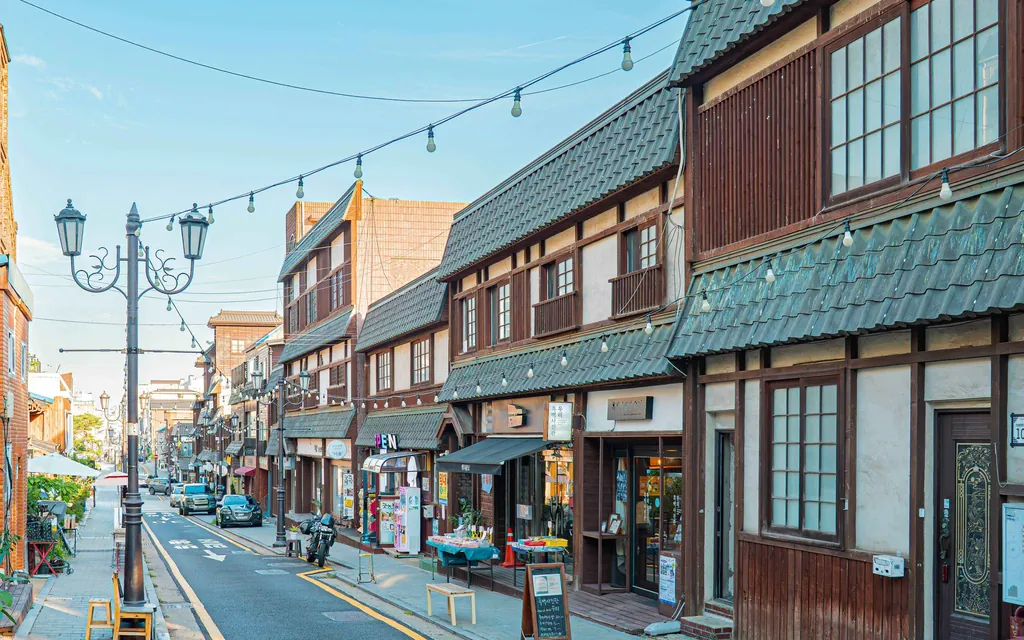
Walk the old streets of the Open Port area, a Western-style stone bank on one side and Japanese wooden shopfronts on the other, and a little farther on the smell of jjajangmyeon drifts out beneath red gateways. Incheon opened its port in 1883, and Japan, Qing China and Western powers each set up concessions around it, leaving buildings in different styles. Today the Open Port area keeps old banks, warehouses and Japanese wooden shops, many converted into museums, cafés and small stores. Next door is Korea's biggest Chinatown, where jjajangmyeon is said to have first become popular. The photo shows the old streets around the Open Port area. One walk down the street is like turning the pages of over a century of history, and a bowl of jjajangmyeon is the perfect last page.

GETTING THERETake Seoul Subway Line 1 or the Suin–Bundang Line to the end at Incheon Station; Chinatown is right outside, with the Open Port area beside it. Just over 1 hour from central Seoul.
GOOD TO KNOWHalf a day on a fine day covers it — pair it with Chinatown and Wolmido. Some old buildings turned exhibition halls have closed days, so check first.
SAFETYCars drive through the old streets — watch for traffic where the sidewalk is narrow. There are lots of slopes, so wear good shoes.
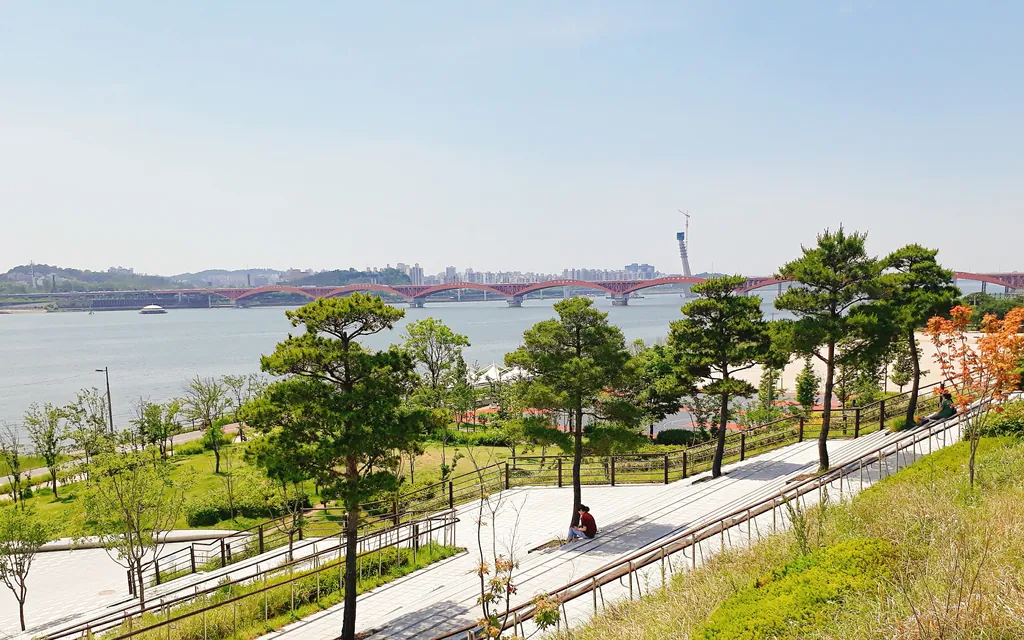
Paths in Mangwon Hangang Park, with Seongsan Bridge in the distanceMapo-gu, Seoul

Paths in Mangwon Hangang Park, with Seongsan Bridge in the distance

Mangwon Hangang Park

Shop the market first, then wait for sunset by the Han.

Getting there●○○○○Very easy on your own: 15–20 minutes' walk from Mangwon Station on the Seoul subway.

Best timeApr–Oct

For a Seoul local's weekend, have an evening picnic by the Han River.

A breeze comes off the river, picnic mats are spread across the grass, bicycle bells ring past you, and in the distance Seongsan Bridge slowly turns to silhouette in the setting sun. More than a dozen public parks line both banks of the Han River, where Seoulites walk, cycle and picnic. Mangwon Hangang Park in Mapo-gu is close to the lively Mangwon Market, and locals often stock up at the market and then walk to the riverside to picnic. From here you can see Seongsan Bridge spanning the Han, and as the sun sets in the west the river turns gold; it's a favorite spot to watch the sunset. Do as Seoulites do, sit by the river with a bag of market snacks, and it may be the most relaxing evening of your trip.

GETTING THERETake Seoul Subway Line 6 to Mangwon Station, then walk about 15–20 minutes, passing Mangwon Market on the way.
GOOD TO KNOWA summer-evening picnic by the river at sunset is the most local Seoul experience — and the busiest time, along with weekends. You can rent bikes in the park. Take your rubbish with you or use the bins.
SAFETYLots of bicycles speed along the riverside path — walk to the side and stay off the bike lane. Stay away from unfenced parts of the riverbank.
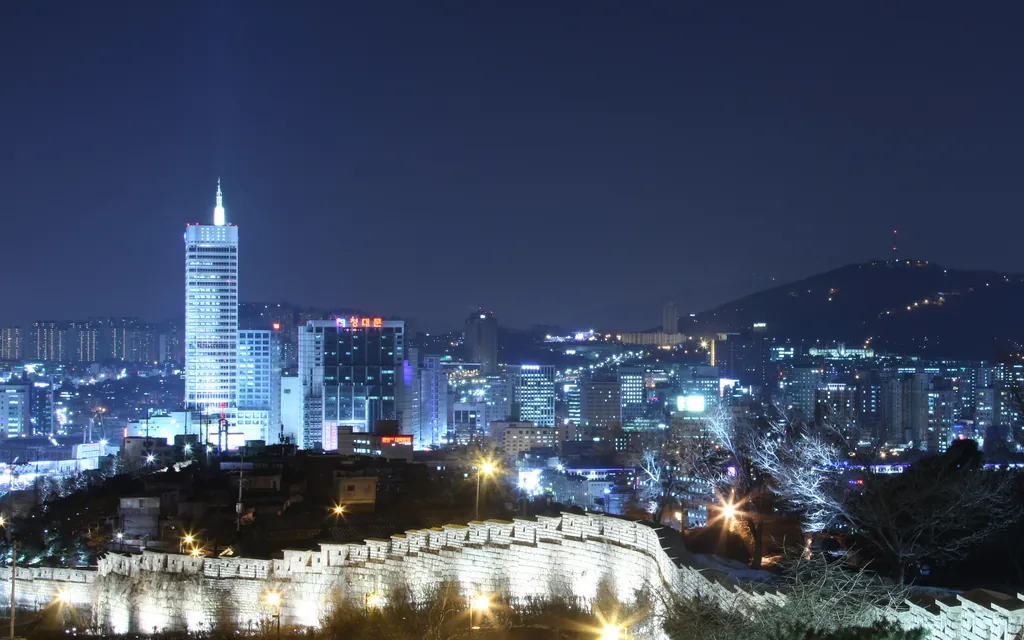
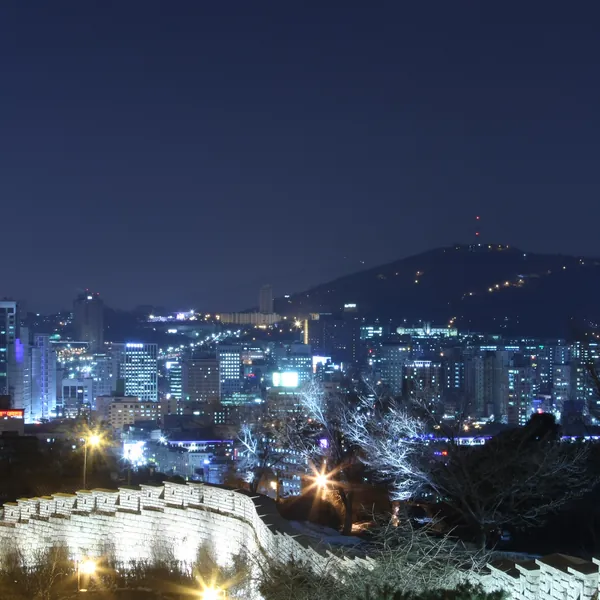
The lit Seoul City Wall and the city at nightJongno-gu, Seoul

The lit Seoul City Wall and the city at night

Naksan Park and the Seoul City Wall

Follow a 600-year-old wall into Seoul's night view.

Getting there●○○○○Very easy on your own: about 15 minutes' walk from Hyehwa Station on the Seoul subway.

Best timeGood all year

On a Seoul evening, walk the old city wall for the night view.

As darkness falls, the wall lights up section by section, its stones climbing the hill in warm yellow light, the city below slowly coming alive with lights, an evening breeze crossing the slope, and in the distance N Seoul Tower glowing. The Seoul City Wall (Hanyangdoseong) was built along the ridges around the capital when Joseon was founded, starting in 1396. It runs about 18.6 km, and most of it is now a walking trail. The Naksan section has gentler slopes and is lit at night; from the Naksan Park lookout you can see central Seoul and N Seoul Tower. Ihwa Mural Village on the hillside and Daehak-ro below are easy to add on. A night walk along a wall more than 600 years old is Seoul's most romantic, and least strenuous, stroll.

GETTING THERETake Seoul Subway Line 4 to Hyehwa Station, then walk about 15 minutes from Exit 2 to Naksan Park.
GOOD TO KNOWClimb at dusk to watch Seoul light up beyond the old wall. The path is slopes and stairs, so wear good shoes. Ihwa-dong is residential — keep it down at night.
SAFETYAt night, go with others where you can, stay on the main lit paths, and don't take the small paths outside the wall.
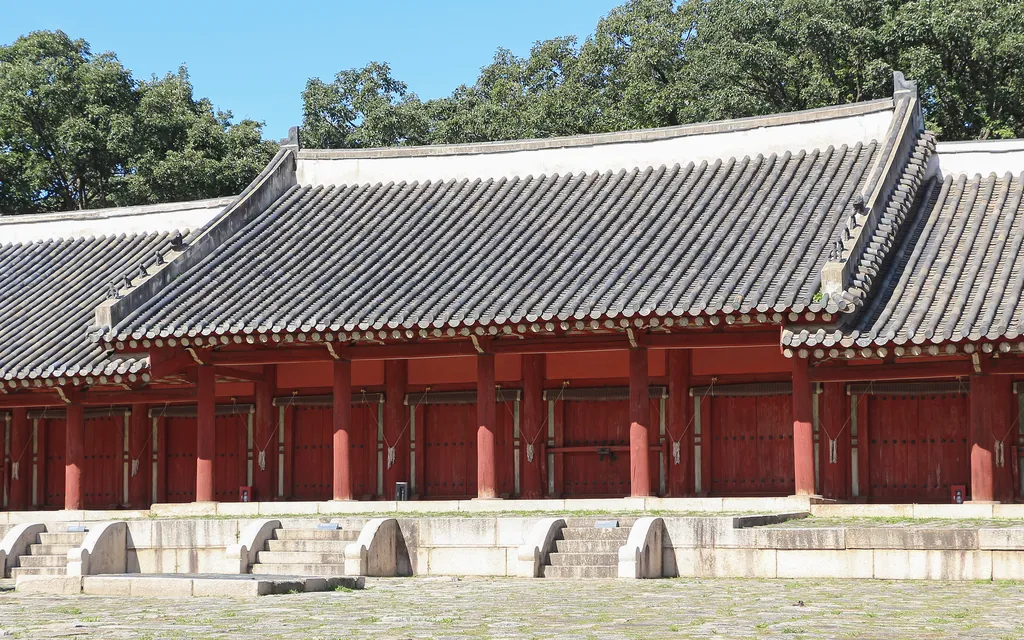
Yeongnyeongjeon hall at JongmyoJongno-gu, Seoul

Yeongnyeongjeon hall at Jongmyo

Jongmyo Shrine

A long row of spirit chambers, quietly keeping five centuries.

Getting there●○○○○Very easy on your own: about 5 minutes' walk from Jongno 3-ga Station on the Seoul subway.

Best timeGood all year

In central Seoul, find the quietest World Heritage Site.

Step into Jongmyo and the noise of the city is shut out by the trees; before a broad stone-paved platform, a long wooden hall stretches quietly away, and all you hear is the wind in the treetops. Jongmyo enshrines the spirit tablets of the kings and queens of the Joseon dynasty and became a World Heritage Site in 1995. Its main hall, Jeongjeon, has 19 spirit chambers and is one of Korea's longest wooden buildings; after about five years of repairs, it reopened in April 2025. The photo shows the other shrine hall, Yeongnyeongjeon, with 16 chambers. Come on the first Sunday of May and you'll find the Jongmyo Jerye royal ancestral ritual, its solemn music filling the courtyard; the rite and its music are inscribed as Intangible Cultural Heritage of Humanity. Finding a silence like this in the heart of Seoul is a gift in itself.

GETTING THERETake Seoul Subway Line 1, 3 or 5 to Jongno 3-ga Station, then walk about 5 minutes.
GOOD TO KNOWOn weekends and public holidays you can explore freely and take in the solemn calm; on weekdays it's guided tours in time slots. Closed Tuesdays. It's a ritual site, so stay quiet. Check tour times and languages on the official site.
SAFETYThe stone courtyard is uneven. The raised path in the middle, the “spirit path,” is for the spirits — walk on the paths on either side.
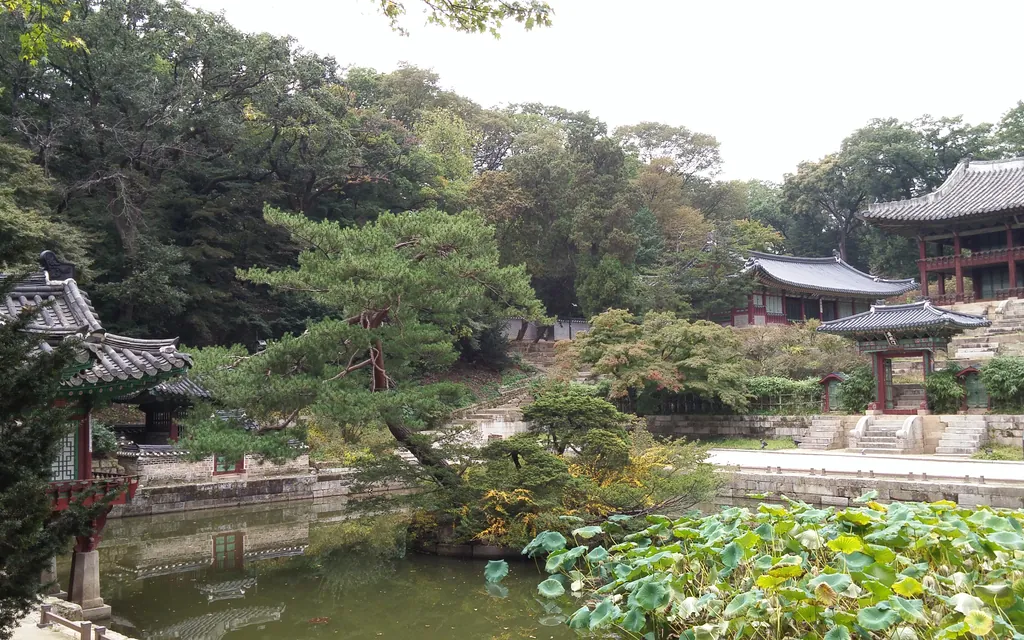
Buyongji Pond, with Juhamnu Pavilion on the rise behindJongno-gu, Seoul

Buyongji Pond, with Juhamnu Pavilion on the rise behind

Buyongji Pond, Changdeokgung Secret Garden

A secret garden once open only to kings.

Getting there●○○○○Very easy on your own: about 5 minutes' walk from Anguk Station to Changdeokgung.

Best timeApr–May, Oct–Nov

When you're in Seoul, book a time slot early and walk into the king's garden.

Past the palace buildings a forest opens up before you, stone paths rising and falling with the hills, birdsong falling from the treetops, and round a bend a square pond quietly mirrors pavilions and halls. Changdeokgung is the palace the Joseon kings used for the longest time and became a World Heritage Site in 1997. Behind it, the Huwon is a royal garden laid out with ponds, pavilions and libraries along the slopes, preserving large stretches of native forest. Once only the king and royal family could enter, so it's also called the Biwon, or Secret Garden. The photo shows its most iconic spot, Buyongji: a square pond with a round islet in the middle, Buyongjeong pavilion at the edge, and the royal library Juhamnu up on the rise behind. A view once reserved for kings is now yours to walk into and savor.

GETTING THERETake Seoul Subway Line 3 to Anguk Station, then walk about 5 minutes from Exit 3 to the main gate of Changdeokgung; the Secret Garden entrance is deep inside the palace.
GOOD TO KNOWAutumn leaves reflected in Buyongji pond are the peak, and spring greens are lovely too. The Secret Garden needs a separate, timed ticket with limited entry — book online. Tour languages and times change by season, and the palace closes on Mondays. Check the official site.
SAFETYThe garden is hilly and a loop takes just over an hour — wear good shoes and bring water in summer.
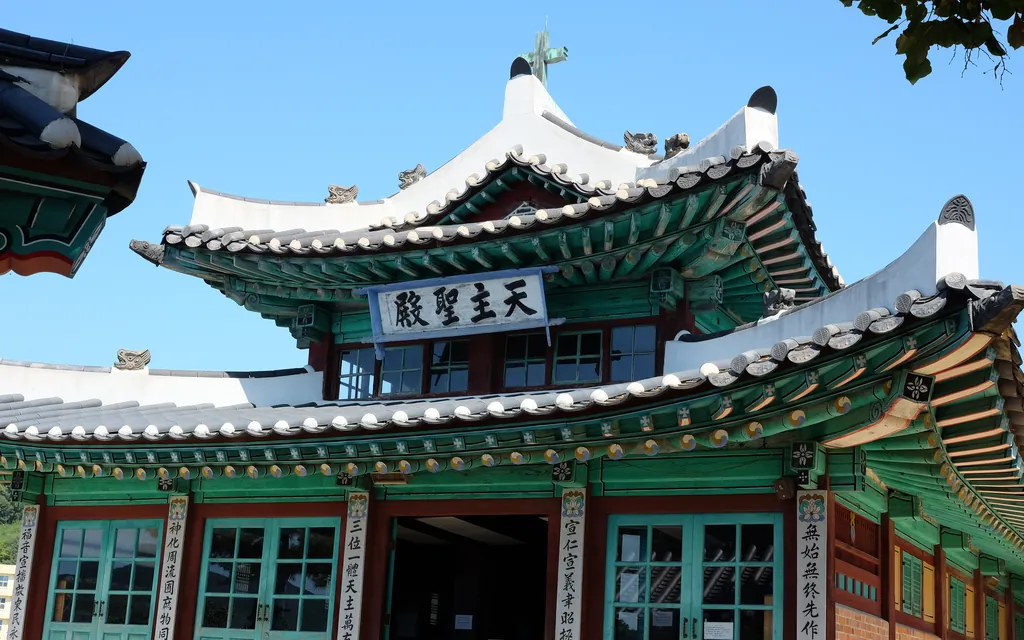
The hanok-style roofs and name plaque of Ganghwa Anglican ChurchGanghwa-gun, Incheon

The hanok-style roofs and name plaque of Ganghwa Anglican Church

Ganghwa Anglican Church

Beneath a tiled roof, a church.

Getting there●●○○○Easy on your own: 1.5–2 hours by bus from Seoul to Ganghwa, then a 15-minute uphill walk.

Best timeGood all year

To see a century-old church built like a hanok, head to Ganghwa Island in Incheon.

From a distance it's a hanok with a tiled roof and wooden beams, a plaque reading “Holy Temple of the Heavenly Lord”; push open the door and inside is a long, rectangular Western-style church, light falling through the windows, everything perfectly still. Built in 1900, Ganghwa Anglican Church is one of Korea's oldest surviving Anglican churches and a national historic site. On the plaque, “heavenly lord” is a general word for God, not a reference to Catholicism. East on the outside, West on the inside, the two architectures meet here in quiet harmony. Ganghwa Island also has a Goryeo palace site and many other historic sites, enough to fill a whole day. Look back once as you leave the church, and you'll remember this strange, harmonious sight.

GETTING THEREAbout 1.5–2 hours by bus from the Sinchon area of Seoul to Ganghwa Bus Terminal, then about a 15-minute uphill walk.
GOOD TO KNOWA quiet weekday is the best time to appreciate this hanok-style church. It's still in use, so don't go in during services; keep quiet and check signs before taking photos inside.
SAFETYThe church sits on a small hill with lots of steps and slopes — wear good shoes.
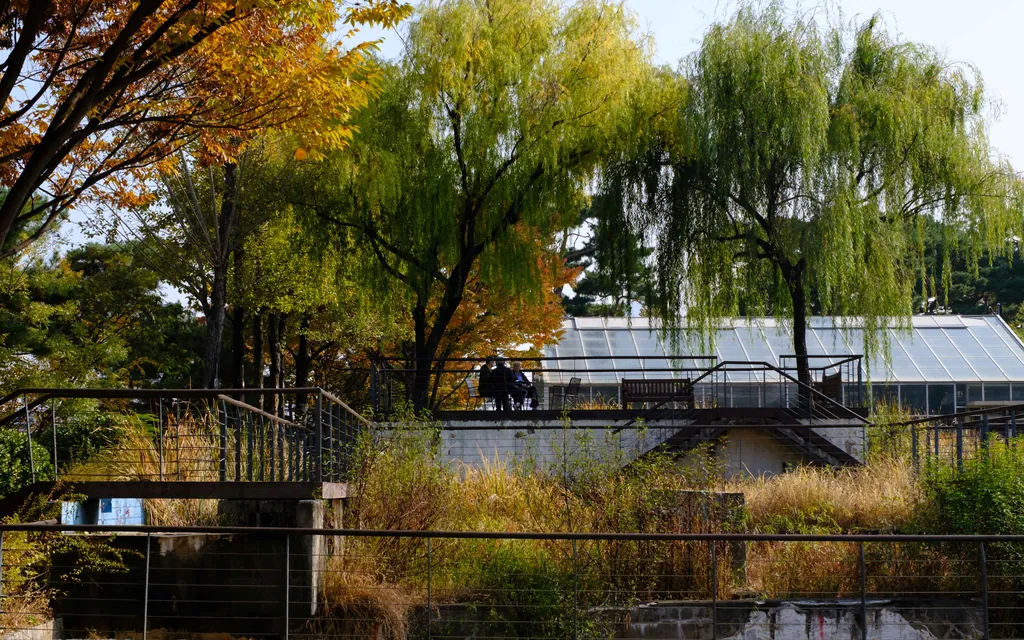
Seonyudo Park in autumn, with a glasshouse behind the treesYeongdeungpo-gu, Seoul

Seonyudo Park in autumn, with a glasshouse behind the trees

Seonyudo Park

In an old water plant, plants have turned concrete back into forest.

Getting there●○○○○Very easy on your own: about 10 minutes' walk from Seonyudo Station on the Seoul subway.

Best timeApr–Oct

To find a quiet corner of Seoul, cross the bridge to the island in the Han River.

Cross Seonyu Bridge with the Han River wind in your face; on the other side, vines climb old concrete columns, the settling tanks have filled with green, and water trickles softly by. Seonyudo is an island in the Han River that was once Seoul's water treatment plant; after it was decommissioned, it reopened as a park in 2002. The designers kept the old settling tanks, filter basins and concrete columns and let plants take them over, making it one of Korea's best-known “regeneration parks.” It has a greenhouse, an aquatic plant garden and an exhibition hall, and in autumn, when the willows and leaves turn yellow, the whole island glows gold. On the way back, stand on Seonyu Bridge and watch the sun go down over the Han. An abandoned plant turned into a garden: a place made for slow walks.

GETTING THERETake Seoul Subway Line 9 to Seonyudo Station, then walk about 10 minutes across a footbridge onto the island.
GOOD TO KNOWEvening from the bridge over the Han River at sunset is the highlight. Hours change by season and it closes at night, so check before heading over late. There's little food on the island — bring drinks and snacks.
SAFETYThe old tanks have drops — don't cross the railings. The bridge is very windy in winter, so dress warmly.
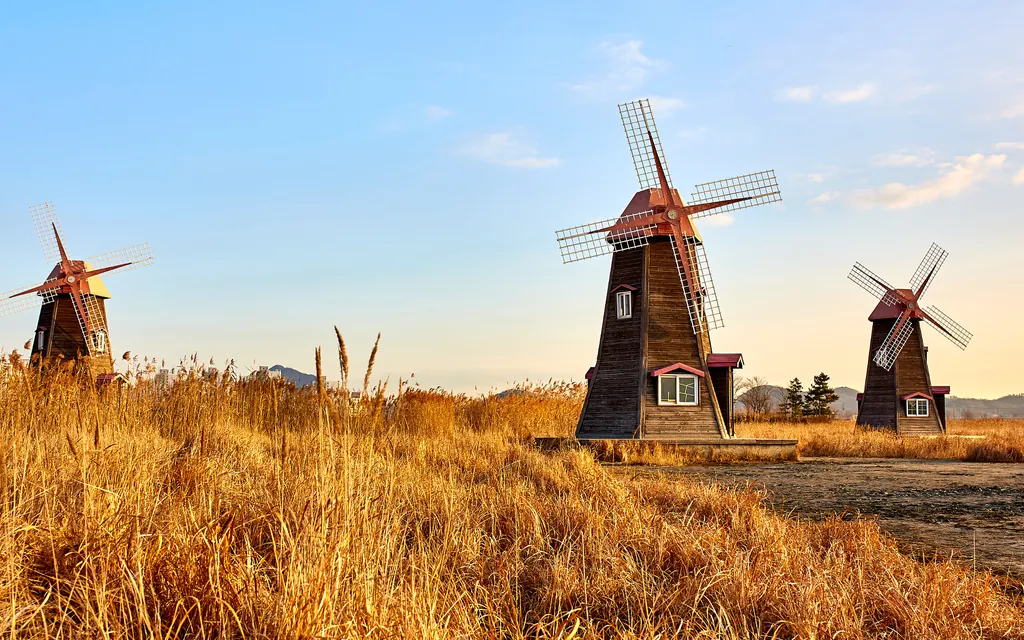
Windmills among golden reeds at Sorae Wetland ParkNamdong-gu, Incheon

Windmills among golden reeds at Sorae Wetland Park

Sorae Ecological Wetland Park

An old salt farm turned into a sea of reeds.

Getting there●○○○○Very easy on your own: take the Seoul subway to Soraepogu Station, then walk 15–20 minutes.

Best timeOct–Nov

Just over an hour from Seoul by subway, see seaside salt pans and reeds.

Sea wind sweeps across a vast reed bed, the rustle coming in waves, a faint salt tang in the air, and in the wetland at your feet little crabs dart into their mud holes. Sorae Wetland Park is on the Incheon coast. It was a salt farm from the 1930s; after production stopped it became an ecological park, keeping the salt-drying fields, salt warehouses and part of the salt pans. The park has vast reed beds and coastal wetland where you can see crabs, waterbirds and shoreline plants. The windmills in the photo are decorative, not original salt-making equipment. Afterwards, the nearby Sorae Port seafood market, with its sellers' calls, pulls you back into the bustle. Not far from Seoul, you can spend a whole afternoon drifting between sea breeze and reeds.

GETTING THERETake the Suin–Bundang Line to Soraepogu Station, then walk about 15–20 minutes; just over 1 hour from central Seoul.
GOOD TO KNOWAutumn, when the reeds turn gold, is the most beautiful, and the windmill at sunset makes a great shot. The park is big and shadeless — sun protection and water in summer, warm layers for the cold sea wind in winter.
SAFETYDon't walk into the wetland or onto the mudflats — the tide rises fast. Stay on the paths and boardwalks.

Not sure which to pick? Take the 4-minute travel-personality quiz and find the one that suits you.

Take the quiz